The Car Care Calendar for Clifton, New Jersey Drivers: What to Check Each Month, Season, and Mileage

For drivers in Clifton, New Jersey, a practical car care calendar can make routine upkeep easier to manage through humid summers, cold mornings, rainy commutes, and busy trips on Routes 3 and 46. Scheduling Volkswagen maintenance alongside simple at-home checks helps turn vehicle care into a predictable habit rather than a last-minute response to a warning light. The right schedule is never the same for every vehicle. Mileage, age, towing, frequent short trips, stop-and-go traffic, and weather all matter, so your owner’s manual should always have the final say on which services are due and when.
Why Every Driver Needs a Car Care Calendar
A calendar gives small tasks a place in your routine. It can help you catch a low tire, worn wiper blade, fluid loss, or overdue service before the issue interferes with a commute, school drop-off, or weekend drive. It also creates a useful record of what has already been done. Manufacturer schedules differ by model and powertrain. Reviewing a car maintenance schedule checklist can show why some items are based on time while others are based on mileage or operating conditions. When you need professional help, searching for a VW dealer near me can be a sensible next step to confirm recommended service, handle inspections, and document completed work.
Daily and Weekly Checks
Most quick checks take only a few minutes and do not require tools. Before driving, look for dashboard warning lights, fresh leaks beneath the vehicle, unusual engine sounds, changes in steering feel, or braking concerns. Confirm that headlights, brake lights, and turn signals work, especially when shorter winter days reduce visibility: clear leaves, snow, ice, and road grime from windows, cameras, and exterior lights. Before a long trip, walk around the vehicle and inspect each tire. A driver who notices one tire sitting lower than the others before leaving Clifton can check its pressure or arrange for a repair before a highway problem develops.
Monthly Maintenance Tasks
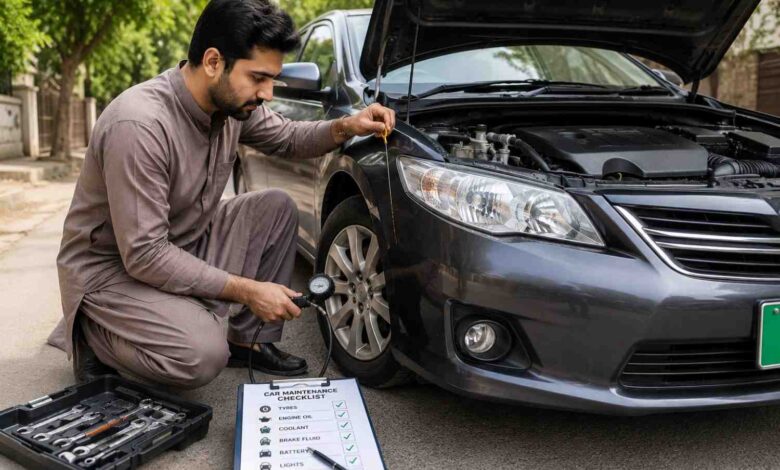
- Check tire pressure. Use a reliable gauge when tires are cold, then follow the pressure listed on the driver-side door label or in the owner’s manual, not the number molded into the tire sidewall.
- Inspect tire wear. Look for uneven tread, cracks, cuts, bulges, or objects embedded in the rubber.
- Review fluid levels. For vehicles that use them, check engine oil, coolant, brake fluid, and washer fluid according to the manual’s instructions.
- Test exterior lights. Include headlights, turn signals, brake lights, reverse lights, and fog lights if equipped.
- Inspect wiper blades. Replace blades that streak, skip, split, or chatter across the windshield.
- Read the dashboard. Address maintenance reminders and investigate warning symbols instead of clearing them from memory.
The tire safety guidance from the National Highway Traffic Safety Administration recommends checking tire pressure and tread at least monthly and before long trips. It also notes that tire rotation intervals and patterns should follow the vehicle manufacturer’s guidance.
Seasonal Vehicle Care
Winter Preparation
Before freezing temperatures settle in northern New Jersey, test the battery and charging system, verify coolant protection where applicable, inspect tire tread depth, and replace worn wiper blades. Keep a basic emergency kit with warm gloves, a flashlight, water, a blanket, and phone charging capability.
Spring Inspection
After winter, inspect for pothole-related vibration, steering pull, bent wheels, and unusual tire wear. Road salt and slush can also make an underbody inspection worthwhile. If brakes pull, pulse, grind, or make new noises, schedule an inspection promptly.
Summer Readiness
Test air conditioning before sustained heat arrives, inspect coolant hoses and the radiator area on applicable vehicles, and check tire condition before vacation travel. Heat and long drives can make an existing tire or cooling-system issue more noticeable.
Fall Checkup
In the fall, test the heater and defroster, inspect the lights, confirm the battery is secure, and review the tire condition before rain, frost, and early snow. This is also a useful time to refresh your emergency supplies.
Mileage-Based Service
Time matters, but mileage matters too. A low-mileage vehicle may still need time-based fluid or inspection services, while a daily commuter can reach mileage intervals quickly. At routine oil-service intervals, follow the manual for oil and filter replacement, then inspect tires, brakes, fluids, belts, and hoses as appropriate. At mid-range and higher mileage, the manual may call for checks of air filters, cabin filters, suspension, steering components, spark plugs, brake fluid, coolant, transmission fluid, or other specialty fluids. Hybrid, electric, turbocharged, and towing vehicles can have different needs, so avoid relying on a generic mileage number alone.
Warning Signs That Need Fast Attention
Stop Driving and Seek Help When
- An oil-pressure, brake, or high-temperature warning appears.
- The engine overheats or steam comes from under the hood.
- The brake pedal feels unusually soft or sinks toward the floor.
- A tire has a bulge, deep cut, or sudden loss of pressure.
- The vehicle loses steering control or pulls sharply.
Schedule Service Soon
- The vehicle vibrates at certain speeds.
- Brakes squeal, grind, or pulse.
- The engine starts slowly or idles roughly.
- Fuel use changes noticeably without an obvious explanation.
- Any fluid requires repeated topping off.
How to Keep Better Maintenance Records
After each visit, record the date, mileage, completed work, parts replaced, and the next recommended service point. Save digital copies of invoices, inspection reports, warranty documents, and recall notices. A phone calendar can provide reminders without relying on memory. Good records help you explain a recurring concern, compare current recommendations with earlier work, and give a future buyer or trade-in evaluator a clearer picture of the vehicle’s history.
How to Plan for Maintenance Costs
Separate predictable maintenance from unexpected repairs. Set aside a modest monthly amount for routine items such as tires, brakes, batteries, fluids, and filters, and prioritize safety-related work over cosmetic projects. Request written estimates that separate parts, labor, inspections, and additional recommended work. A simple approach is to review the next six months, identify the largest likely maintenance item, and divide its expected cost across several pay periods. Your manual and service records provide a better basis for planning than guesswork.
Common Questions About Car Maintenance
How Often Should a Vehicle Be Serviced?
Service timing depends on the manufacturer’s schedule, mileage, vehicle age, and driving conditions. Many vehicles require both time-based and mileage-based care.
Is Monthly Tire Pressure Checking Really Necessary?
Yes. Tires can lose air gradually, and pressure should be checked cold with a gauge. Proper inflation supports predictable handling and helps reduce irregular wear.
Can Drivers Handle Basic Maintenance at Home?
Many drivers can check pressure, inspect lights, replace wiper blades, and review accessible fluid levels. Brake repairs, high-voltage system work, lifting a vehicle, and complex diagnostics are best left to qualified professionals.
What Should Be Checked Before a Road Trip?
Check tire pressure and tread, inspect fluid levels where applicable, test lights and wipers, look for leaks, and confirm that the spare tire and emergency equipment are ready.
A Simple Plan for the Year Ahead
Reliable vehicle care does not require constant attention. A few minutes each month, a seasonal review, and accurate service records can make ownership easier to manage. For Clifton drivers, the most useful 2026 calendar is one that follows the owner’s manual, reflects real driving conditions, and prioritizes safety.
Conclusion
A practical car care calendar can help Clifton drivers stay ahead of routine maintenance, rather than waiting for problems to disrupt daily travel. Regular tire checks, fluid inspections, seasonal preparation, and mileage-based services all play a role in keeping a vehicle ready for New Jersey’s changing conditions. Drivers should also pay attention to warning signs and address safety-related concerns promptly rather than delaying necessary repairs. Keeping organized service records and setting aside money for expected maintenance can make ownership easier to manage throughout the year. Most importantly, maintenance should follow the vehicle manufacturer’s recommendations while taking into account actual driving habits, mileage, age, and operating conditions. With a consistent routine, drivers can better understand what their vehicle needs and prepare for upcoming service.