
Manufacturing and processing operations are notorious for their dependence on the greatest possible precision and attention to detail. While accurate weight verification is not the only priority that many organisations have in this regard, it certainly forms a cornerstone of robust quality assurance (QA) across a variety of industries.
Reliable weighing machines from RS encompass a wide range of equipment that businesses can use to support consistency, accurate measurement, and quality control.
Why Does Weight Verification Matter for Industrial QA Purposes?
Let’s clarify an important point before proceeding. In an industrial context, the term “weight verification” refers to the process of confirming that a physical object, product, or shipment matches a specific, expected weight within a predefined tolerance band.
Weight verification checks can be performed at several critical stages of the production or packing process. With even small deviations potentially cascading into larger problems, it is safe to say that accurate and repeatable readings are a must.
- To cite the UK as an example when exploring the potential legal implications of not verifying weight, the underfilling of food and drink packaging can create a risk of non-compliance with quantity-control requirements and trading standards rules.
- Looking to the pharmaceuticals and chemicals sector, getting batch weights wrong can spell bad news from the perspective of efficacy, safety, or downstream process control.
- Nor can businesses participating in engineering or automotive supply chains afford to neglect weight verification. Component weight errors may be a signal of material defects or assembly issues, which in turn may affect performance and warranty claims.
The Regulatory Dimension of Verifying Weight
Almost wherever a given organisation may be operating in the world, regulatory pressure will reinforce the need for them to undertake rigorous weight verification.
Businesses in the UK, for instance, may be subject to weights and measures legislation, sector-specific requirements, customer specifications and, where applicable, quality management standards such as ISO 9001.
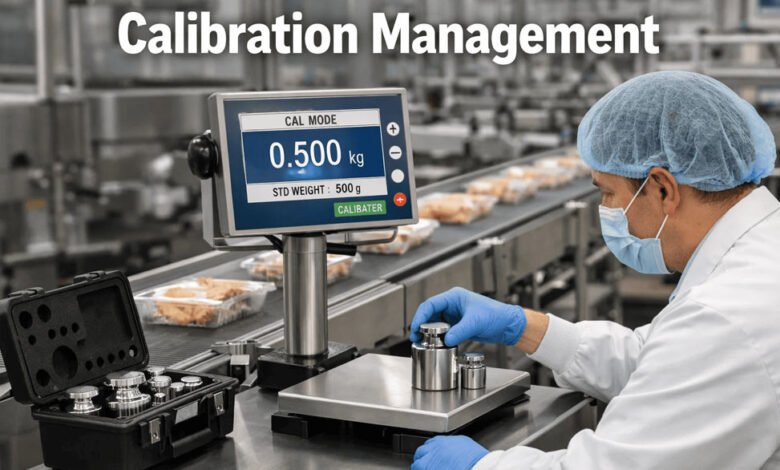
The integration of automated checkweighers, platform scales, and high-precision balances into production lines can allow for the delivery of repeatable data. This greatly supports audit trails and continuous improvement.
When these systems are properly specified and maintained, they can help drive down the risk of rejected batches, customer complaints, and expensive product recalls.
There Can Be Vital Commercial and Operational Advantages, Too
The importance of weight verification in an industrial quality assurance context isn’t restricted to the regulatory angle.
That’s because accurate weighing can also translate into clear commercial advantages:
- Consistent fill weights allow for the most efficient possible use of expensive ingredients, at the same time as avoiding short-weight penalties.
- Modern weighing equipment supports statistical process control through the real-time data it provides. This puts operators in a stronger position to spot trends early and adjust processes to help keep scrap rates down.
- In logistics and warehousing, the reliable and accurate verification of weights lends itself to better load planning, lower transport costs, and the consistent satisfaction of carrier requirements.
- Inventory management can be more efficient across such industries as packaging, plastics, metal, and electronics, when every stakeholder involved has the utmost trust in the mass measurements carried out.
Final Thoughts: Weight Verification Supports Long-Term Excellence
When a business makes weight checks a consistent part of its production process, it can be better placed to improve its process control, reduce avoidable waste, and ensure its products satisfy the optimal quantities and quality standards.
Ultimately, treating weight verification as a core element of quality assurance isn’t merely good practice; for many firms, it can be an important investment in operational control, product consistency, and commercial resilience.