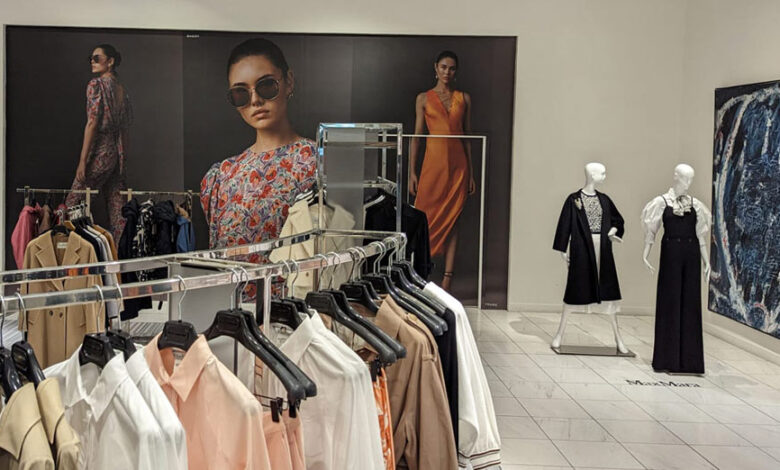

Fashion has always had a clear power structure. Designers set the agenda each season, retailers fill their shelves accordingly, and shoppers pick from whatever happens to be available. That system still exists, but something has shifted alongside it. More people are making deliberate choices about what they wear based on who they are, not just what is currently sitting on a rack.
Personal style is no longer a secondary concern. For a growing number of people, it matters just as much as knowing what is popular.
Why Personalized Fashion Is Gaining Popularity
The appeal of mass-produced clothing has its limits. When the same jacket appears in every store window, wearing it stops feeling like a choice and starts feeling like a default. That experience pushes people toward something more considered.
The market for custom-made clothing was valued at $57.55 billion in 2024, with projections pointing toward $145.94 billion by 2033. That trajectory reflects genuine consumer demand, not a passing moment.
A Desire to Stand Out
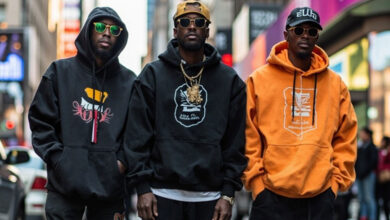
Wearing something that feels different from the crowd does not require an expensive wardrobe. It requires intention. People who seek out graphic prints, unusual color combinations, or garments with personal meaning are not necessarily rejecting mainstream fashion. They are layering something on top of it that feels more like them. That is a meaningful distinction.
More Control Over Appearance
Choosing your own colors, artwork, and silhouettes gives a wardrobe a coherence that trend-driven shopping rarely delivers. Instead of buying pieces that fit a season, people build collections that fit a life. That shift in thinking is part of why customization has moved from a niche service to a mainstream expectation.
Changing Attitudes Toward Buying
There is also a practical dimension. Buying every new trend is expensive and often unsatisfying. Many people have started asking whether a new piece actually works with what they already own, and whether they will still want to wear it in two years. Those questions point naturally toward clothing with more personal meaning and longer relevance. Fewer purchases, but better ones.
Social Media and the Return of Individual Style
Platforms like Instagram, Pinterest, and TikTok have done something interesting to fashion. They have flooded people with more visual inspiration than any previous generation could access, but they have also made it easier to find niche aesthetics that feel genuinely personal.
Streetwear, vintage looks, cottagecore, quiet luxury, and dozens of other subcultures all have active communities online. Someone who grew up feeling like their taste did not fit the mainstream can now find thousands of people who share it.
The key distinction is adaptation. Most people do not copy outfits wholesale. They take a silhouette from one post, a color palette from another, and a styling idea from a third, then filter all of it through their own wardrobe and budget. That process is where individual style actually develops.
And it does not require an audience. Experimenting with your appearance because it interests you, not because you are building a following, is just as valid. Digital inspiration can introduce new ideas, but it cannot substitute for the quieter work of figuring out what you actually like wearing.
Personalized Clothing as a Form of Self-Expression
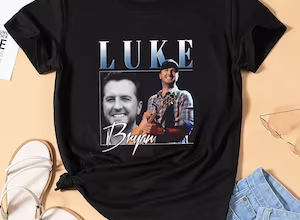
Clothing with personal meaning operates differently from trend-driven purchases. A jacket bought because it was everywhere last March feels dated by October. A garment connected to something you genuinely care about, a band, a place, a hobby, a phrase that matters to you, stays relevant because it is tied to identity rather than a calendar.
Custom Graphics and Typography
Illustrations, slogans, initials, and artwork printed on basic garments can give them a recognizable quality that no off-the-shelf version offers. A plain crew neck becomes something specific when it carries a design that means something to the person wearing it. Typography alone, a well-chosen phrase in the right font, can shift a basic piece into something that feels deliberate rather than accidental.
Colors and Designs That Actually Fit Your Wardrobe
One underrated advantage of personalization is the ability to choose colors that work with what you already own. If your wardrobe runs toward earth tones, a custom piece in olive or rust will slot in immediately. If you prefer bold contrasts, you can build toward that. The result is a more coherent collection rather than a drawer full of impulse purchases that never quite go together.
Making Everyday Pieces More Distinctive
A personalized item does not need to carry an entire outfit. It can anchor one. A simple pair of dark jeans and clean sneakers becomes a complete look when the third element, a sweatshirt, a tote, a cap, carries something specific. That specificity does the work that accessories used to do, and it does it more quietly.
Personalized Sweatshirts and the Appeal of Everyday Comfort
Sweatshirts occupy an interesting position in most wardrobes. They are reliable, comfortable, and versatile enough to work across a wide range of settings, from a Saturday morning coffee run to an afternoon on a college campus to a relaxed evening out. That versatility makes them a natural candidate for personalization.
When someone wants to design personalized sweatshirts with custom artwork, a meaningful phrase, or graphics tied to a specific interest, the result is a garment that functions exactly like any other sweatshirt but carries something extra. Worn with jeans and sneakers, it reads as casual and put-together. Layered under a structured jacket, it adds texture without effort.
The practical considerations matter too. Fabric weight, fit, and print quality all affect how a customized piece holds up over time. A well-made sweatshirt with a durable print will stay in regular rotation for years. A cheaper version with a design that cracks after a few washes will not. Matching materials and construction to the design’s intended lifespan is part of making the piece worthwhile in the first place.
Building a Personal Wardrobe Without Chasing Every Trend
A wardrobe built around personal style does not require starting from scratch. It requires a clear foundation and a few deliberate additions. Here is a practical approach:
- Start with reliable basics. Jeans, plain T-shirts, neutral layering pieces, and comfortable footwear give you a base that works with almost anything.
- Add distinctive pieces gradually. A graphic sweatshirt, a vintage find, or a custom item introduces personality without overwhelming the rest of your wardrobe.
- Check for versatility before buying. A new piece that works with at least three things you already own earns its place. One that only works alone probably does not.
- Experiment at your own pace. Personal style develops over time. There is no deadline, and there is no need to replace everything at once.
- Filter trends through your own preferences. If something popular genuinely appeals to you, adopt it. If it does not, you are not missing anything.
A few carefully chosen pieces create more outfit variety than a closet full of trend purchases that never quite feel right together.
Quality, Creativity, and More Thoughtful Fashion Choices
In 2024, 68% of fashion shoppers use social media for inspiration, but inspiration and purchasing are different things. The gap between seeing something and actually buying it is where more considered decisions happen. That gap is worth protecting.
Quality matters in ways that are easy to overlook. Fabric weight, stitching, and construction determine how a garment ages, not just how it looks on the first wear. A heavier cotton sweatshirt softens with washing. A well-constructed seam holds its shape. These details are not glamorous, but they are the difference between a piece that lasts three years and one that lasts three months.
Personalization adds meaning, but it does not automatically add longevity. A custom design on a thin, poorly made blank will still wear out fast. The print method matters too. Screen printing and embroidery tend to hold up better than cheaper transfer methods, especially through repeated washing. Checking those details before committing to a custom order is a practical step that most people skip.
Reworking existing clothing, adding patches, altering fits, or overdyeing pieces, is another way to make a wardrobe feel more personal without buying anything new. It also tends to produce results that are genuinely one of a kind. No mass-market purchase can match that.
Where to Start
Personal style is not a destination. It is an ongoing process of noticing what feels right, editing what does not, and making room for pieces that carry some genuine meaning. That process does not require a large budget or a complete wardrobe overhaul.
Small additions, a custom garment, a distinctive accessory, a vintage piece with history, can shift the character of an entire wardrobe. The strongest looks tend to come from people who wear what actually suits them, not from people who wear whatever arrived in stores this month.