
Ductless mini‑split air conditioners have become a go‑to option for homeowners who want efficient cooling without the disruption of running new ductwork. Whether you are finishing an attic, adding comfort to a garage conversion, or replacing window units, a mini‑split can offer targeted temperature control, quieter operation, and energy savings when properly designed and installed. Before you sign a contract or buy equipment, it helps to understand where ductless systems shine, how they are sized, and what to expect during installation and maintenance. The right planning up front will help your system perform well for years while avoiding common headaches.
When a Ductless Mini‑Split Makes Sense
Ductless systems excel in spaces where adding ducts is impractical, such as older homes, additions, sunrooms, and bonus rooms over garages. They are also effective for homes with uneven temperatures, cooling a frequently used living area without over‑conditioning the rest of the house. Because indoor air handlers are placed directly in the room they serve, you get zoned comfort: each zone can be set to a different temperature, reducing energy waste in unused areas.
In communities with a mix of older and newer housing, many homeowners choose professional help to evaluate room loads, select efficient equipment, and place indoor units for both comfort and aesthetics. If you are considering professional support, look for local providers who offer Expert ductless AC installation in Bonney Lake so the system is sized and installed to match your home’s layout and climate.
Planning the System: Sizing, Zones, and Placement
Proper sizing is the foundation of performance. Bigger is not better with mini‑splits; an oversized unit will short‑cycle, leading to temperature swings, higher energy use, and faster wear. A technician should calculate the cooling load using recognized methods that account for room dimensions, insulation, window orientation, air leakage, and occupancy. This determines the right capacity (measured in BTUs) for each zone. Multi‑zone systems can connect several indoor units to one outdoor unit, but each head still needs correct sizing for the room it serves.
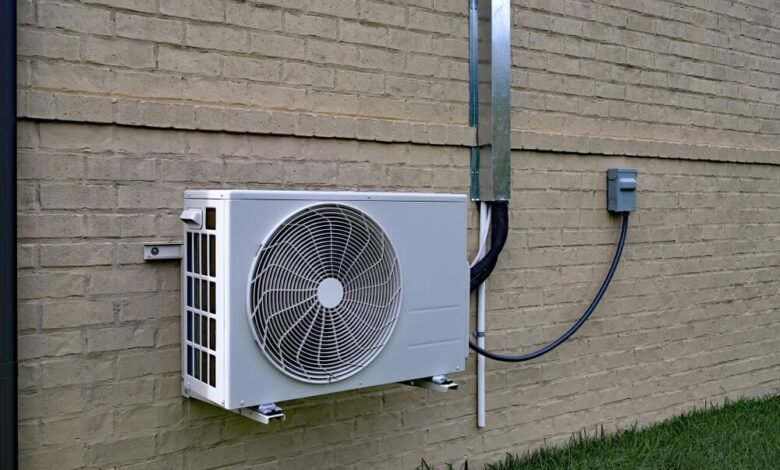
Indoor unit placement matters for both comfort and appearance. Wall‑mounted units need clear airflow paths and should avoid locations that blow directly onto seating areas or face obstructions like tall bookcases. Ceiling cassettes can distribute air more evenly in open‑concept spaces and keep equipment visually discreet, but they require ceiling access and proper condensate management. Floor‑mounted units can be a good fit under low windows or in rooms with sloped ceilings. Outdoors, the condenser should sit on a stable pad with adequate clearance for airflow and service, away from bedroom windows to keep nighttime noise down.
Electrical, Condensate, and What to Expect on Installation Day
A mini‑split typically needs a dedicated electrical circuit and a weather‑rated disconnect near the outdoor unit. Depending on the model and local code, your electrical panel may require an upgrade or a new breaker. The installer will also route refrigerant lines and a condensate drain. Condensate the water produced during cooling must drain to a suitable location with proper slope; in some cases, a small pump is used when gravity drainage is not possible. Good installers pressure‑test and evacuate the refrigerant lines to ensure tight, moisture‑free connections before releasing the refrigerant charge.
Most single‑zone installations take a day, while multi‑zone projects can take longer. Expect some drilling for line‑set penetrations, careful routing of line‑set covers for a clean exterior finish, and indoor mounting of air handlers with secure anchoring to studs or suitable supports. Ask where controls and thermostats will be located, how the remote interfaces work, and whether a smartphone app is available for scheduling and monitoring. Before the crew leaves, they should demonstrate basic operation and show you how to clean filters.
Efficiency, Noise, and Cold‑Weather Performance
Modern ductless systems use inverter-driven compressors that modulate speed to match the cooling load.
Instead of turning on and off repeatedly, they ramp up and down, which reduces energy use and evens out temperatures. When comparing models, look at efficiency ratings such as SEER2 for cooling and HSPF2 for heating (if the unit is a heat pump). Higher numbers generally indicate better efficiency, but the real‑world performance will still depend on proper sizing and installation quality.
Noise is another advantage of ductless systems. Because the compressor sits outdoors and the indoor fan motors are efficient and variable‑speed, indoor sound levels are typically low. Still, placement makes a difference; mounting a head on a shared bedroom wall might transmit a faint hum through the structure. For cold‑climate performance, many heat‑pump mini‑splits can provide heat well below freezing, though output declines at lower temperatures. If you rely on a mini‑split for shoulder‑season heating, ask about the unit’s rated capacity at the coldest temperatures you expect and whether supplemental heat is recommended.
Maintenance Habits That Protect Your Investment
Routine maintenance keeps efficiency high and helps avoid service calls. Wash or vacuum the indoor filters every month or two during heavy use; a clogged filter reduces airflow and makes the system work harder. Keep the outdoor unit clear of leaves, grass clippings, and snow. Gently rinse the coil with a garden hose when debris accumulates, taking care not to bend the fins. Inside, a periodic professional cleaning of the blower wheel and evaporator coil helps maintain airflow and indoor air quality, especially in homes with pets or high dust.
Annual checkups are useful for verifying refrigerant pressures, checking electrical connections, cleaning condensate lines, and updating control firmware when applicable. If you notice ice buildup on the outdoor coil, unusual noises, or water around an indoor unit, shut the system off and call a professional; early attention can prevent damage.
Common Mistakes to Avoid and Questions to Ask
Several pitfalls can undermine a good system. Avoid buying equipment based on a rough square‑foot rule of thumb; load calculations are essential. Don’t hide an indoor unit behind drapes or tall furniture, which restricts airflow. Insist on line‑set insulation rated for outdoor use, neatly sealed wall penetrations, and proper condensate routing. If aesthetics matter, discuss line‑set cover color and routing before installation begins to avoid surprises.
Before you proceed, ask prospective installers key questions: Will they perform a room‑by‑room load calculation? How will they verify refrigerant charge and line integrity? What is the plan for electrical, condensate, and line‑set routing? Which warranties apply to equipment and workmanship, and how is service handled after installation? Clear answers to these questions signal a thoughtful approach that prioritizes performance, safety, and long‑term reliability.
With careful planning, a ductless mini‑split can bring quiet, targeted comfort to spaces that traditional systems struggle to serve. Focus on accurate sizing, thoughtful placement, and solid installation practices, and back that up with simple maintenance habits. When you understand how the system works and what quality workmanship looks like, you will be better equipped to choose the right configuration for your home and enjoy dependable cooling through the warm months and, for heat‑pump models, helpful heating during the shoulder seasons as well.