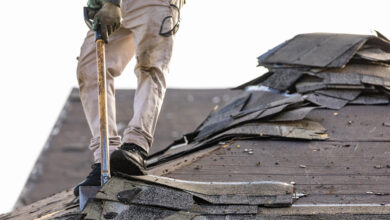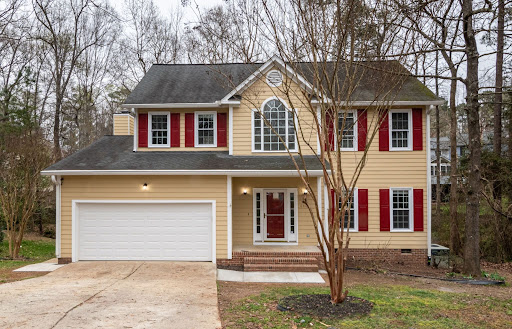

Hail damage can be deceptive. A roof may still be watertight immediately after a storm even when impacts have damaged shingles across a large area. For homeowners evaluating Wichita roofing, the question is not simply whether damaged shingles can be replaced one by one. The bigger issue is whether enough healthy material remains around them to make a repair dependable. When you need to repair hail-damaged roofing, the decision should consider the number of affected slopes, shingle condition, impact severity, flashing damage, and what is happening beneath the surface. Wichita roofing repairs provide the most value when they restore an otherwise healthy system rather than patching widespread deterioration.
A Few Impact Marks Are Different From Damage Across an Entire Slope
Localized hail damage may be repairable when only a small section is affected and the surrounding shingles remain flexible and well attached. The decision changes when impacts appear repeatedly across one or more slopes. On Wichita roofing systems, an inspector should map where bruising, granule loss, cracked shingles, and damaged roof components appear rather than using a few close-up photos to represent the whole roof. Wichita roofing replacement becomes more reasonable when the pattern shows that many shingles have been weakened, even if none are leaking yet. The goal is to determine whether the damage is isolated enough to repair without leaving dozens of other compromised areas behind.
Shingle Bruising Can Matter Even Without a Hole
Hail does not need to puncture a shingle to reduce its useful life. A hard impact can displace granules, compress the asphalt, or fracture the fiberglass mat beneath the surface. That type of Wichita roofing damage may still shed water initially, which is why it is easy to underestimate. The concern is what happens after months of heat, sun, wind, and temperature changes act on the damaged area. Wichita roofing inspections should distinguish simple surface scuffs from impacts that have weakened the shingle itself. If bruising is scattered across a large portion of the roof, replacing a handful of the most visible shingles may not address the full extent of the storm damage.
Heavy Granule Loss Reduces the Roof’s Protective Surface
Granules protect asphalt from direct UV exposure and everyday weathering. Hail can remove a concentrated amount in seconds, leaving darker areas where the asphalt beneath is more exposed. On Wichita roofing systems, one or two small bare spots may be manageable, but widespread fresh granule loss can accelerate aging across an entire slope. Homeowners should compare storm-facing areas with less affected sections and look for new material accumulating near roof runoff points. Wichita roofing repair is most effective when the surrounding shingles still retain enough surface protection to justify keeping them in place.
Ridge Caps and Roof Edges Can Push the Scope Beyond a Small Repair
The most exposed parts of a roof often take some of the strongest hail and wind during severe storms. Ridge caps may crack, lose granules, or become damaged around fasteners, while roof edges can suffer both impact and uplift. For Wichita roofing homeowners, these areas matter because they protect important transitions rather than simply covering an open field of decking. If hail damage affects both the main shingle surface and long sections of ridge material, the repair scope becomes much broader. A Wichita roofing contractor should explain whether those components can be replaced independently or whether repairing them would require disturbing large amounts of already damaged roofing.
Damage to Flashing and Penetrations Changes the Repair Strategy
Hail can also affect metal flashing, vents, pipe boots, and other roof penetrations. Dents in metal do not automatically mean the roof needs replacement, but cracked seals, damaged flashing, or displaced components can create real water-entry points. On Wichita roofing systems, the inspection should determine whether the storm only marked these components or actually changed how they shed water. If several penetrations need rebuilding at the same time that surrounding shingles are bruised or brittle, a small spot repair may leave too many weak points. Wichita roofing work should restore complete transitions rather than simply replace the most visibly damaged shingle beside them.
Older Shingles May Not Survive the Repair Process Well
Repairing storm damage often requires lifting or loosening shingles around the affected area. Newer material can usually tolerate that work better than roofing that has spent years exposed to Kansas heat, cold, wind, and hail. On older Wichita roofing systems, surrounding shingles may crack, split, or lose additional granules when lifted. That can turn a small planned repair into a growing work area. Before approving another Wichita roofing patch, homeowners should ask whether the adjacent shingles are still flexible enough to work with. If accessing every damaged spot creates new damage around it, replacement may offer more reliable value than trying to preserve increasingly brittle material.
Moisture Beneath the Surface Raises the Stakes
The repair decision becomes more serious when water has already reached the deck or attic. Hail itself may not create the leak, but cracked shingles, damaged flashing, or broken seals can allow later rain to enter. Wichita roofing homeowners with accessible attic space should look for fresh staining, damp insulation, darkened decking, or water tracks after storms. One small wet area can often be handled during a targeted repair. Wichita roofing replacement becomes more practical when moisture damage appears beneath several sections because more of the roof may need to be opened just to reach sound decking.
Previous Storm Repairs Can Reveal Whether the Roof Still Has Useful Life
A roof with one older repair is not necessarily nearing replacement. A roof covered with patches from several hail and wind events deserves a different evaluation. Wichita roofing homeowners should consider how many sections have already been repaired, whether those repairs are holding, and whether new damage is appearing in the remaining original material. If each storm creates another patch beside an older patch, the roof can eventually become a mix of materials with different ages and conditions. Wichita roofing repairs still make sense when they preserve a mostly consistent, healthy system. They provide less value when most of the roof is already a collection of aging and replacement sections.
Compare the Repair With What Will Remain Afterward
The most useful question is not “Can this hail damage be repaired?” Most individual defects can be repaired somehow. The better question is what condition the Wichita roofing system will be in after the work is finished. If the repair corrects one damaged area and leaves a flexible, dry, well-performing roof around it, the investment can be worthwhile. If it leaves widespread bruising, brittle shingles, aging flashing, and several old repairs untouched, another Wichita roofing patch may simply delay the larger decision.
For Wichita roofing homeowners, hail damage needs more than a minor repair when the storm has affected multiple parts of the roof or when the remaining material no longer provides a healthy base for new work. Document the damage by slope, check surrounding shingle condition, and determine whether moisture has reached the deck. When Wichita roofing damage is truly localized, targeted repairs can preserve useful roof life. When the damage pattern is broad, replacement can provide a more consistent and dependable result than trying to repair dozens of separate weak points.