
Hazard Identification and Risk Assessment or HIRA is more than just a safety management system. HIRA is one of those safety and security management systems that helps a management to assess the effectiveness of evacuation drills and other safety procedures.
Along with including small-group training sessions and workshops to employees, it aims to build trust among stakeholders and the customers of a business. From maintaining multilingual communication channels to ensuring that all the safety and security needs are met, a hazard identification and risk assessment system automatically makes a business complaint to the latest safety and security management systems.
Read on to learn more about how HIRA ensures consistent review of emergency responses, compliance to the latest standards and further instills preparedness among the workforce.
Understanding Hazard Identification and Risk Assessment
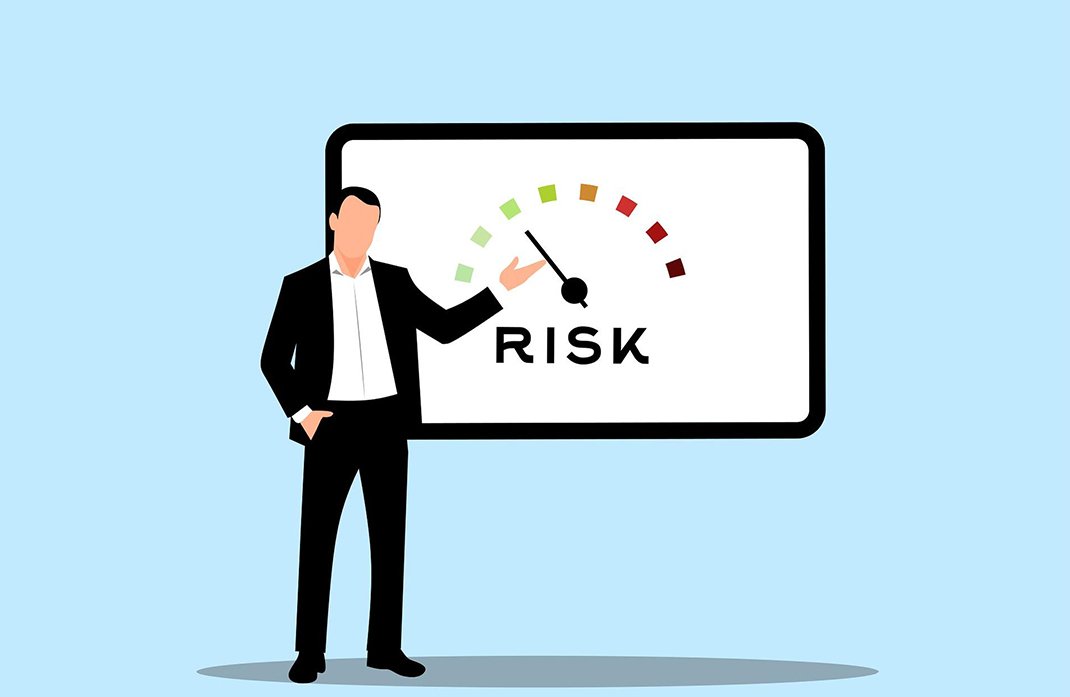
A Hazard Identification and Risk Assessment Management System is a framework of policies that helps an organisation to timely identify hazards and assess risks promptly. The aim of HIRA is to maintain operational continuity, implement safety policies at the right time, and keep the employees physically safe and mentally secure in a safe working environment.
To ensure that compliance is maintained at all times, the ISO 45001 specifies requirements to lower the chances of work-related accidents, injuries and other health related issues.
Who Is Responsible for Conducting a Hazard Assessment?

When asked who is responsible for conducting hazard assessment, it is essential to understand that the entire team has to put in a collective effort. The management team hires experts and assigns roles, however, all the staff members have to put in extra effort to ensure that the operational continuity is maintained at all times after a disaster strikes.
However, here are certain teams that the leadership does hire for a thorough maintenance of checks and balances.
-
Third-Party Assessors
Consultants, also called experts play a crucial role in helping organisations to adhere to the latest ISO standards. The third-party assessors are hired to evaluate the performances of systems and provide unbiased feedback of workplace hazards. Their aim is to specify if the measures taken are relevant or not. This kind of specialized knowledge provides an objective point of view to help organisations identify risks.
-
Employers Identify Risks
Employers hold the primary responsibility of maintaining safety and security at a workplace. They have to ensure that timely hazard assessments are conducted at all times. They identify hazards, initiate a safety plan and introduce relevant safety controls for a safe working environment.
-
Supervisors and Safety Officers
Supervisors and safety officers are trained professionals who are responsible for assessing every minute detail. They are not responsible for framing policies but ensure proper maintenance of equipment. Supervisors take care of routine operations and report issues immediately. They report issues so that regular inspections for risk evaluation take place and hazards are reported effectively.
Benefits Offered by Hazard Identification and Risk Assessment

The latest hazard identification and risk assessment systems when integrated with the latest occupational health and safety management system offers multiple benefits.
Therefore, here are 6 major benefits offered by HIRA are and more:
- Timely recognition of potential on-site and off-site sensitive areas. The safety management teams ensure that the premises are always ready to tackle situations like severe heatwaves, fires, hazardous chemical spills, medical emergencies and so on.
- By following a well-defined hazard identification and risk assessment system, the management is able to outline systems for safe working conditions.
- The workforce is provided training to respond to each type of emergency promptly. They are trained to follow proper evacuation procedures and disaster reporting procedures and so on.
- By integrating an emergency action place, the management is able to inspect and check all safety maintenance procedures like outlining evacuation routes and more.
- By following a health and safety management system, dependable security systems are established.
- The latest occupational health and safety management software equips teams from all the departments to have access to real-time staff locations.
Conclusion
By adopting the latest hazard identification and risk assessment management system, an organisation is able to eliminate obstructions that could delay evacuation during an emergency. The purpose served in this case is ensuring complete accountability during a crisis and positioning safety equipment properly to avoid last-minute faux pas and panic. Such systems also improve the consistency of processes in place before or after a hazard strikes. This comprehensive framework of instructions covers everything ranging from leadership commitment to timely hazard identification.
Frequently Asked Questions
- What is the difference between OHSAS 18001 and ISO 45001:2018?
Answer: While ISO 45001 focuses on risk management, OHSAS 18001 focuses on integrating processes related to occupational health hazards. The former focuses on leadership roles to create a culture of safety from the top. OHSAS underlines guidelines that reduce workplace risks in routine by keeping a consistent check on operations.
- How are employees engaged in a health and safety management system?
Answer: Employees indulge in active engagement wherein they are trained to use the safety equipment. The management ensures complete legal compliance so that all the safety standards are fulfilled through proper inspection.
- Which ISO standard ensures complete occupational health and safety maintenance at a workplace?
Answer: ISO 45001 underlines all the rules and regulations to be followed by an organization to maintain maximum safety and security at a workplace. The aim is to maintain the safety of the employees to reduce work-related injuries and accidents.
- What is Quality Management software?
Answer: Quality management software is a tool used to implement a quality management system. The purpose served by a QMS software includes adhering to legal regulations, maintaining customer satisfaction and promoting evidence-based decision making. This helps fulfil ISO and other national and international laws.
- What purpose does EHS serve for a company?
Answer: EHS (Environment, Health and Safety) management systems helps an organisation identify various workplace and environmental hazards. The system assesses risks, helps train employees, execute safety procedures and promotes timely regulatory compliance. Incidents are investigated to prevent future accidents and safety measures are revised.