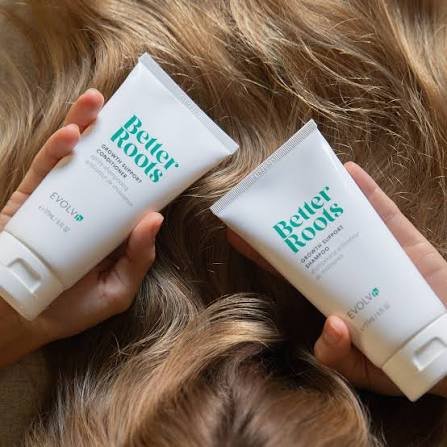

Healthy hair does not happen overnight by accident. Sticking to a steady daily habit turns dull strands into smooth, resilient locks. Small steps repeated every week build up a defense against everyday stress, weather changes, and styling damage.
When you care for your scalp and strands regularly, you notice less breakage and more shine. Giving your hair predictable attention keeps it looking neat and feeling strong.
Understanding Your Hair Growth Cycle
Hair grows in cycles. It grows, rests, and then sheds. Each follicle works on its own schedule. When you care for your hair regularly, your follicles stay clear of buildup. That lets new hair grow without stress.
If you skip basic care, dead skin and leftover product can clog your follicles. That causes friction and messes up the natural growth process. Keeping a clean scalp helps new hair grow the way it should.
Be patient when you start new hair habits. It takes weeks or even months to see changes. Sticking with good technique helps each strand reach its full length.
Healthy hair needs regular care and protection from things like wind and dry air. Those can pull moisture out fast. Protecting your roots gives your hair a strong base for long-term growth.
Upgrading Your Everyday Hair Care Routine
Upgrading your daily schedule requires selecting quality products designed for your unique needs. Exploring options at Sassy Hair can transform simple washing into an effective self-care system. Choosing targeted formulas makes achieving consistent results far easier.
Quality brushes and silk pillowcases contribute to long-term strand health. Reducing friction during sleep stops midnight tangles before they start. Small upgrades across your toolkit yield noticeable improvements across several months.
Track how your hair responds whenever you introduce a new item. Give each formula at least 3 weeks before deciding to change again. Patience allows you to see what truly benefits your routine.
High-quality tools complement good shampoo choices by minimizing mechanical strain on fragile strands. Investing in gentle combs prevents split ends from traveling upwards. Consistent application yields noticeable hair quality improvements across the months.
Building Stronger Hair Strands Every Day
Hair fibers face regular exposure to sunlight, friction from pillowcases, and room heat. Daily attention protects the outer cuticle layer from wearing down too fast. Softening products help smooth out rough spots before they turn into full splits.
Rinsing with cool water at the end of a wash helps smooth the hair shaft. Smooth strands reflect light much better, giving your hair a natural shine. Gentle handling during drying prevents stretching wet hair beyond its elastic limit.
Using wide-tooth combs on wet hair reduces unnecessary pulling. Work from the ends up toward the root to clear knots smoothly. This cautious method preserves hair density and minimizes snapped strands.
Adding protective leave-in formulas creates a shield against everyday environmental friction. These lightweight products seal outer cuticle layers against humidity changes. Smooth strands tangle far less throughout busy work days.
The Natural Science of Scalp Protection
Your scalp is the base for every hair on your head. The CDC says your scalp makes a natural oil called sebum. It keeps your skin moist and protects it from infection. Keeping that oil balanced is the first step to healthy hair.
Harsh cleansers strip that natural layer away. That leaves your skin dry and irritated. Flaking or itching often comes from washing too much or using strong products. A balanced routine keeps just enough oil to protect your scalp without leaving it greasy.
Massage your scalp when you wash your hair. That helps bring nutrients to your roots. Gentle pressure removes dead skin without scratching. Doing this regularly keeps your pores clean and your oil levels steady.
Scalp health affects how your hair looks from root to tip. Irritated skin can’t hold hair as well over time. Gentle care keeps your scalp comfortable all year round.
Tailoring Wash Frequency to Hair Type
Not all hair textures require the exact same calendar for washing. Medical experts at Cleveland Clinic suggest that individuals with finer strands ought to wash their hair at least every 2 days. Thin hair absorbs oil rapidly, making frequent cleanses helpful for maintaining volume.
Thicker or coiler textures hold natural oils near the roots much longer. Washing coarse hair too frequently leads to dry ends and unmanageable frizz. Adjusting your weekly schedule to your specific strand thickness keeps hair manageable.
Finding your ideal routine takes a few weeks of careful observation. Pay attention to how your hair looks on day 2 or day 3 after washing. Adjust your schedule based on how your scalp feels rather than following arbitrary rules.
Different seasons may require subtle shifts in your washing schedule. Increased physical activity in summer might necessitate more frequent rinses. Winter cold might call for longer gaps between shampoo applications.
Your scalp matters just as much as your hair when you decide how often to wash. If your scalp is oily, you may need to wash more often. If it’s dry or sensitive, you can go longer between washes.
People who work out a lot may need to rinse off sweat more regularly, after hard workouts. Use a gentle shampoo. It cleans without drying out your scalp. Watch how oily your scalp gets, how it feels, and how your hair looks. That helps you find a washing routine that works for you.
Mastering the Art of Proper Washing
Washing your hair correctly matters just as much as how often you wash it. Guidelines from the American Academy of Dermatology state that you should focus shampoo directly on your scalp rather than coating the entire length of your hair strands. The suds naturally clean the ends as you rinse without drying out older hair.
Conditioner requires the opposite approach during your shower routine. Apply mid-shaft to tips where strands need moisture most. Keeping conditioner away from the scalp prevents roots from looking flat or greasy quickly.
Use lukewarm water for your main wash rather than steaming hot temperatures. Excessive heat strips moisture out of individual hair shafts. A controlled temperature keeps the cuticle flat and smooth.
Rinsing thoroughly prevents leftover product from weighing down your style. Leftover conditioner attracts dirt and airborne particles much faster. Clean strands retain natural body and stay fresh longer.
How you handle your hair after washing matters. Don’t rub it hard with a rough towel. That can cause breakage when your hair is wet. Instead, gently squeeze out extra water.
Wrap your hair in a soft microfiber towel. Use a wide-tooth comb to work through tangles. Start at the ends and move up toward the roots. Let your hair dry partway before using heat tools. That helps reduce damage from high heat.
Preventing Breakage and Split Ends
Physical wear and tear accumulates across months of daily styling. Stopping damage early keeps ends looking full and healthy without requiring frequent drastic haircuts. Simple preventive steps protect fragile ends from snapping off.
- Avoid tight ponytails or elastics
- Dry hair gently by dabbing
- Apply a lightweight conditioner
Regular trims clear away small splits before they travel up the hair shaft. Scheduling a quick trim every 8 to 12 weeks keeps ends thick. Consistent maintenance preserves total length.
Protective styling can minimize friction against clothing during colder weather. Tucking long ends inside scarves or wearing loose braids reduces daily snagging. Thoughtful handling keeps fragile tips intact.
Protecting Tresses from Heat and Styling Damage
Hot tools can alter the internal structure of hair strands when used improperly. High temperatures boil moisture trapped inside the hair shaft, causing tiny structural bubbles. Lowering device temperatures keeps hair resilient under daily heat styling.
Always use a protective spray before applying flat irons or curling wands. Heat barriers coat individual strands, slowing down thermal transfer. This simple barrier prevents immediate protein damage.
Give your hair regular breaks from heat tools each week. Air-drying on weekends gives strands time to recover their moisture content naturally. Embracing natural textures cuts down on cumulative thermal stress.
Selecting tools with adjustable digital controls lets you set precise safe temperatures. Fine hair requires far less heat to shape than coarse textures. Matching heat settings to your specific hair type reduces scorching risk.
Check your hair often for dryness, split ends, and rough spots. That helps you catch heat damage early. Use a moisturizing conditioner after you wash your hair. It puts back some of the moisture you lose when you style.
Don’t run a flat iron over the same spot more than once. Heat adds stress to your hair. Keep the tool moving. That lowers the chance of burning it. Be gentle when you brush and handle your hair after styling. That helps protect it from breaking.
Nutritional Habits for Stronger Locks
Outer care must align with inner support to yield optimal results. Drinking plenty of water keeps the body hydrated, supporting scalp flexibility. Balanced meals deliver key building blocks straight to growing hair follicles.
Proteins form the main foundation of every single hair strand. Incorporating eggs, fish, nuts, and beans supports strong growth from within. Nutrient gaps often show up first as weak or brittle hair.
Vitamins like biotin, iron, and zinc support cell turnover around hair roots. A well-rounded diet provides these nutrients naturally without heavy reliance on supplements. Healthy bodies produce healthy, lustrous hair.
Hydration plays an active role in maintaining soft strand texture. Dehydration makes hair feel coarse and prone to snapping under light pressure. Proper daily water intake supports inner follicle moisture levels.
Eating regular meals with a variety of whole foods gives your hair the nutrients it needs. Fruits and vegetables supply things that help your body work well. Healthy fats from avocados, seeds, and fish can help your scalp and skin stay healthy.
Cut back on processed foods. That makes it easier to eat a balanced diet. Good nutrition helps your hair look stronger. It also works well with gentle washing, conditioning, and styling.
Seasonal Adjustments for Year-Round Care
Weather changes demand slight tweaks to your daily product choices. Cold winter air strips moisture. Humid summer heat increases scalp sweat. Adapting your steps keeps hair balanced through every season.
Monitoring environmental changes helps you stay ahead of dryness or frizz. Small seasonal adjustments maintain consistency year-round. Your hair stays smooth regardless of outdoor temperatures.
Indoor heating systems during winter can dry out room air significantly. Using a bedroom humidifier restores moisture levels that benefit both skin and hair. Small environmental shifts prevent winter brittleness.
Long-Term Rewards of Daily Discipline
Sticking with a structured plan rewards you with manageable, shiny strands. Daily discipline prevents severe damage that requires expensive chemical treatments to patch up. Prevention remains far easier than repairing broken strands.
Consistent care creates predictable hair days that boost personal confidence. You spend less time wrestling with wild frizz or flat roots each morning. A steady investment of 10 minutes daily yields long-lasting hair health.
Your routine will evolve as your hair length and lifestyle change. Pay attention to how your hair feels to make smart adjustments. Staying faithful to basic daily care ensures your hair remains strong for years.
All About a Consistent Hair Care Routine
Building lifelong healthy habits takes patience and small daily actions. Seeing real improvement reinforces the value of keeping a simple system. Your hair reflects the steady care you invest each single day.
Healthy habits work best when they become part of your routine. Trim your hair often. That helps with split ends and keeps your shape neat. Choose gentle products that match your hair type. That makes taking care of your hair easier.
Skip harsh chemical treatments and too much heat. That protects your hair from stress. With steady care and small changes, your hair can stay strong and smooth. It will also be easier to manage as your needs change.
Maintaining a regular hair schedule is the single best step toward strong strands. With steady attention, your scalp stays clean, and your ends remain smooth. Small steps taken every day compound into remarkable long-term results. Enjoy the process of caring for your hair and watching it thrive.
Keep exploring practical hair care tips and find simple habits that help your hair look and feel its best every day.