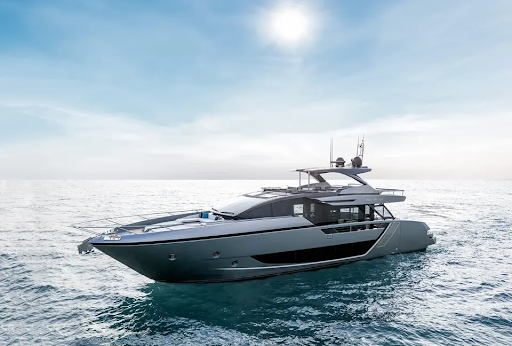
Yacht rental in Dubai: a first-timer’s guide to booking, marinas and what to bring

Booking a yacht is nothing like booking a restaurant. There’s no checkout button, the pricing is by the hour, and the marina has a name you’ve never said out loud. None of it is hard. It just happens in a particular order. Here it is, as a countdown, with details from Seven Yachts, one of the companies offering yacht rental Dubai visitors and residents use.
Six months out: decide the shape of the day
Before you talk to anyone, settle four things: the date and the occasion, the number of guests, how many hours, and a rough budget.
Six months sounds early, but it’s the company’s own advice for the widest choice of boats, and it matters most in the winter season and on holidays. Last-minute charters do happen. They just come with a shorter list.
Five months out: send an enquiry, not an order
Dubai yacht charters work on enquiry. You describe what you want, the broker suggests boats, and the price is confirmed for your date. That’s how the trade works, not a sign that anyone is being cagey.
A good first message is short: the date, the group size, the occasion and the hours you have in mind. That’s enough for a broker to suggest the right boats, and it saves the three rounds of emails that start with “how much?”
Four months out: check what the quote covers
When the quote comes back, read past the headline figure. Ask what’s included for the yacht and crew, what’s charged separately for fuel and food, and whether VAT is in the number. A quote you understand now is a bill with no surprises later.
Three months out: know your marina
Most Dubai charters leave from Dubai Harbour, the large marina between Palm Jumeirah and Bluewaters. Some boats berth elsewhere, so confirm the departure point for your specific yacht before you tell anyone where to go. It affects parking, travel time and how far the boat has to go to reach the sights.
Two months out: plan the route
A first charter almost always follows the classic loop: past the Burj Al Arab, around the Palm and along the towers of Dubai Marina. It’s popular because it works. You see the city’s best-known shapes from a side most people never see.
Tell the crew what you’d like to see and do. If someone wants a swim, say so now so the crew can build in a stop.
Two weeks out: brief your guests
One meeting point. One time. One short note on what to bring. Here’s the list worth sending:
- Sunscreen, sunglasses and a hat. There’s very little shade on an open deck.
- Swimwear and a towel, if a swim is planned.
- A light layer. Evenings on the water are cooler than on land.
- Seasickness tablets, for anyone who gets queasy on boats.
- A small bag. Space on board is limited and wheeled luggage is a nuisance on deck.
- Cash for the crew, if you’d like to tip.
And what to leave at home: heels. Most yachts are barefoot on deck.
One week out: tell the crew what they need to know
Dietary needs, allergies, who’s celebrating, any surprise you’re planning. Menus are built around the guests, so the more specific the brief, the better the day. This is also the moment to ask about the plan if the weather changes.
The morning of
Get to the marina 15 minutes early. Find the berth, meet the crew and let them walk you through the boat and its safety equipment. From then on, you’re not organising. You’re hosting.
What the crew handles, and what you handle
First-time hosts often try to manage everything. On a crewed yacht, you don’t need to. The crew handles the boat, the route, the anchoring, the safety briefing and the service on board. Your job is the guest list, the timing and the mood: making sure people know where to be, deciding when to swim or eat, and keeping the day moving the way you want it. If something isn’t right, tell the captain early. Small changes are easy to make on the water. They’re impossible to make after you’re back at the berth.
The five first-timer mistakes
- Booking only the minimum hours. Most groups wish they’d added one more.
- Choosing the wrong size of boat. Too small is uncomfortable. Too big is money spent on empty deck.
- Leaving the menu to the day. The best food on board is planned in advance.
- Not confirming the marina. Guests at the wrong marina is the most common way to lose the first half hour.
- Booking late for a peak date. The best boats for holidays go months ahead.
None of these is hard to avoid. An early enquiry and a clear brief cover most of them. The rest is a very good afternoon on the water.