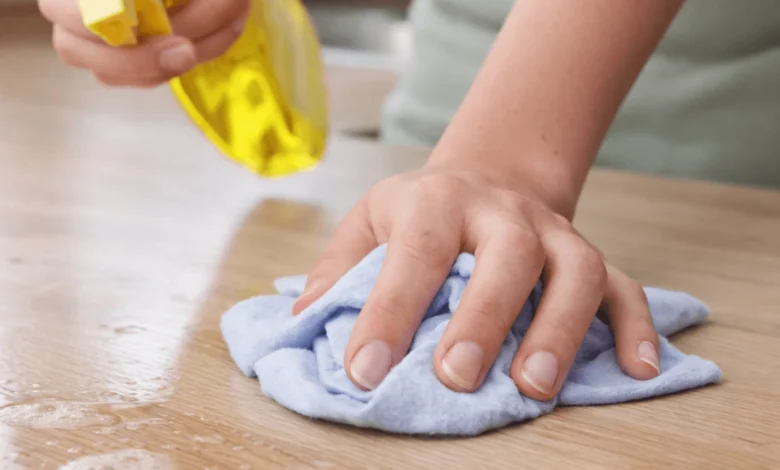

A kitchen counter can feel sticky even after someone has washed it twice. A bathroom mirror may develop streaks within seconds of being wiped. On a tile floor, footprints sometimes appear almost as soon as the surface dries. These problems are easy to blame on dirt, but the material left behind by earlier cleaning attempts may be part of the explanation.
Old product residue changes the starting point for deep cleaning services. Instead of removing only grease, dust, or soap deposits, the person doing the work may have to deal with layers of polish, detergent, or other products that have accumulated over time. That is worth mentioning when discussing a job with SQKY Cleaning, particularly if a particular surface never seems to come clean despite frequent attention.
Not every streak is residue, and not every dull patch can be washed away. The useful first step is figuring out what has been applied to the surface and whether the problem is a removable film or damage to the finish underneath.
How Cleaning Products End Up Becoming Part of the Mess
Many household cleaners contain ingredients designed to loosen soil, help water spread, leave fragrance, or change a surface’s appearance. When used as directed and removed where required, these products can do their jobs without causing trouble. Problems arise when too much is applied, a product is not rinsed when the label calls for it, or different products are repeatedly layered on the same area.
Consider a floor that receives a generous dose of detergent every weekend. If the solution is stronger than recommended or dirty wash water is spread back across the tiles, some material can remain after drying. That film may attract and hold new particles, making the floor look dirty again. Adding more detergent to the next bucket does not necessarily solve it.
On furniture, repeated use of certain polishes can leave buildup. Around a sink, soap and hard-water minerals may combine into deposits that behave differently from either substance alone. These are not identical problems, so they should not receive identical treatment.
The Clues Are Often in How a Surface Feels
A layer of residue does not always have a distinctive color. Sometimes the best clues appear when sunlight reaches the surface at an angle or when a clean, slightly damp cloth passes over it.
Sticky or Dragging Countertops
If a counter feels tacky after drying, possible explanations include grease, leftover cleaner, food residue, or deterioration of the surface finish. A small test using the manufacturer’s approved cleaning method can help narrow down the possibilities. Do not assume that stickiness means a stronger degreaser is needed; aggressive products can harm some coatings.
Streaks That Return on Glass
Glass can show residue from sprays, fingerprints, fabric softener transferred from cleaning cloths, or dirty wiping tools. A mirror that looks cloudy after several passes may need a properly laundered cloth and an appropriate glass-cleaning method rather than additional spray. Check that the product is suitable for mirrors, especially near exposed edges where moisture can cause damage.
Floors That Seem to Collect Footprints
Footprint patterns shortly after mopping can indicate soil left on the floor, excess product, or a coating with an unusual finish. If the manufacturer specifies a neutral cleaner and dilution ratio, follow those directions. Avoid attempting to strip the floor without first identifying whether it has wax, a factory coating, or another protective layer.
Why a Thorough Clean May Need a Different Sequence
A common mistake is treating every persistent mark as something that needs more pressure. But cleaning is a process of removing particular kinds of soil from particular materials. If an earlier product has left a film, the cleaner must be compatible with both the film and the surface below it.
That changes how deep cleaning services should be planned. A technician may need to identify what the homeowner has been using, test an approved method in an inconspicuous spot, and work in small sections before treating a whole room. The correct method for ceramic tile may be unsuitable for sealed stone, finished wood, or luxury vinyl.
It also helps to separate ordinary buildup from restoration work. Heavy wax accumulation, damaged coatings, and etched stone may need specialized treatment. Calling all of these problems “stubborn dirt” can lead to repeated scrubbing with disappointing results.
Mixing Products Is Not a Shortcut
Suppose someone uses a bleach-based product in a bathroom, then follows it with a different cleaner because the surface still looks dull. That combination could be dangerous, depending on the ingredients. Bleach must never be mixed with ammonia, acids, or other cleaners unless the product instructions explicitly permit it. Harmful gases can be released.
Even when a mixture does not create an obvious hazard, it may reduce cleaning effectiveness or leave another film. Do not combine products to experiment with removing an unknown residue. Read labels, use one suitable product at a time, and follow the required rinsing and ventilation instructions.
A short list of the products regularly used on problem surfaces is more helpful than buying an assortment of stronger chemicals, and it is worth passing to whoever is booked from the deep cleaning services nyc households choose for a thorough clean. The list lets the cleaner avoid unnecessary guesswork and identify whether a previous polish, disinfectant, or floor treatment might affect the approach.
What Homeowners Can Do Before a Cleaning Appointment
You do not need to diagnose the entire house. A few observations can make the work more precise. Note which surfaces feel sticky after drying, where a haze returns, and whether the issue began after a change in cleaning products. Keep the original bottles or take photos of labels if they are available.
If SQKY Cleaning is being asked to tackle a persistent floor film or cloudy counter, communicate that history rather than asking simply for extra scrubbing. The goal is to establish a safe scope of work, not to promise that every discoloration will disappear. A patch that is damaged rather than dirty may stay visible after proper cleaning.
A clear brief for deep cleaning services should identify the troublesome material and any known care restrictions before work begins. Before the appointment, avoid coating the affected area with fresh polish or scented spray just to make it look better. New layers can hide useful clues. Clear movable items from the area if safe to do so, but leave heavy appliances and built-in fixtures to people equipped to handle them.
Preventing Residue From Building Up Again
Once a surface has been cleaned correctly, maintaining it often becomes simpler. Measure concentrated cleaners instead of estimating by eye. Change mop water when it becomes visibly dirty, use clean cloths, and follow rinsing directions. A disinfectant that requires a particular wet contact time should be used according to its label rather than treated as an all-purpose polishing spray.
It is also worth questioning routines that rely on adding shine. A surface may already have a manufactured finish and need no additional coating. Applying polish out of habit can create a cycle in which yesterday’s shine becomes tomorrow’s haze. On delicate materials, consult the manufacturer before using any product marketed as a restorer or protective treatment.
Professional help is appropriate when the surface’s material is uncertain, the residue is extensive, or cleaning attempts have begun changing the finish. SQKY Cleaning can be given the history of routine products used in the home, while specialized stripping, refinishing, or repairs should be evaluated separately where needed.
The Cleanest Result May Come From Using Less
A successful deep clean is not measured by how many products are applied. It is measured by whether the right soil is removed without creating a new problem or harming the material beneath it. Persistent streaks and sticky patches deserve investigation, not an automatic increase in chemical strength.
Before booking deep cleaning services, take note of the areas where ordinary cleaning repeatedly fails and the products already tried. That information helps distinguish removable residue from wear or damage. Once the underlying issue is understood, a simpler, material-appropriate routine can help the home stay clean without leaving yesterday’s solution on tomorrow’s surfaces.