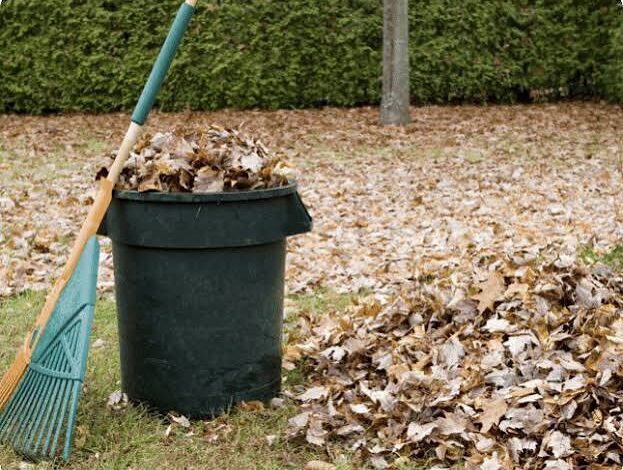
Yard Waste Removal: A Complete Guide to Maintaining a Clean, Healthy, and Beautiful Outdoor Space

Maintaining a beautiful outdoor space requires regular care, proper landscaping practices, and an effective way to manage unwanted organic debris. Leaves, grass clippings, fallen branches, weeds, and other garden materials can quickly accumulate, making a yard look untidy and difficult to maintain. Yard waste removal is an essential part of keeping outdoor areas clean, organized, and attractive throughout the year. By developing a consistent cleanup routine, homeowners can prevent debris from building up, protect their plants, and create a more comfortable environment for family activities. A well-maintained yard also improves the overall appearance of a property and makes everyday outdoor maintenance much easier.
Understanding the Importance of Yard Maintenance
Outdoor maintenance involves more than mowing the lawn or trimming bushes occasionally. It also requires removing organic materials that accumulate as plants grow, trees shed leaves, and seasonal weather changes affect the landscape. When these materials remain scattered across a property, they can create clutter, block drainage areas, and make landscaping tasks more difficult. Regular yard cleanup helps manage this debris before it becomes an overwhelming problem. Keeping outdoor spaces clean also makes it easier to identify damaged plants, inspect lawn conditions, and maintain a neat appearance without spending excessive time on major cleanup projects.Another important aspect of maintaining a yard is protecting the health of grass, trees, shrubs, and garden plants. Thick layers of wet leaves can restrict airflow and prevent sunlight from reaching the grass, potentially contributing to unhealthy lawn conditions. Piles of branches and decaying vegetation may also create hiding places for unwanted pests. Removing unnecessary debris allows the landscape to receive better airflow and makes routine maintenance more effective. Homeowners who follow a regular cleanup schedule can maintain healthier outdoor surroundings while reducing the effort required to manage their gardens over time.
Common Types of Yard Waste
Different outdoor activities produce different types of waste, and understanding these materials helps homeowners choose the most appropriate disposal method. Grass clippings are commonly generated during lawn mowing, while leaves accumulate during seasonal changes. Tree trimming produces branches, twigs, and woody debris, whereas gardening activities often leave behind weeds, dead flowers, and unwanted plant roots. Professional yard waste removal services can help collect and manage many of these materials, especially when large quantities accumulate after landscaping projects. Identifying the type and volume of waste before beginning a cleanup makes the entire process more organized and efficient.Leaves and grass clippings are generally suitable for composting when handled correctly, while larger branches may require cutting or specialized processing. Some plant materials can be reused as mulch, helping retain soil moisture and reduce weed growth. However, diseased plants, invasive weeds, and materials treated with certain chemicals may require different handling procedures. Mixing every type of debris into one pile can complicate disposal and reduce opportunities for recycling. Separating materials into suitable categories allows homeowners to make better use of reusable organic matter while ensuring that unwanted debris is handled responsibly.
Benefits of Professional Yard Waste Services
Managing small amounts of garden debris is often straightforward, but large cleanup projects can quickly become physically demanding. Heavy branches, thick piles of leaves, and extensive landscaping waste may require considerable time, equipment, and transportation. Hiring professionals for yard waste removal can simplify these tasks by providing an organized approach to collecting, loading, and transporting unwanted materials. This option is particularly useful after extensive pruning, storm damage, landscaping renovations, or major seasonal cleanups. Instead of dedicating an entire day to handling debris, homeowners can focus on other responsibilities while experienced workers manage the cleanup process.Professional services may also provide access to suitable vehicles, collection equipment, and disposal facilities that are difficult for individual homeowners to arrange. Depending on the provider, services may include collecting branches, removing bagged leaves, clearing garden debris, and transporting organic waste for composting or other approved processing methods. Before choosing a company, customers should confirm which materials are accepted, whether loading is included, and how pricing is calculated. Clear communication helps prevent unexpected charges and ensures that the service matches the property’s cleanup requirements. Comparing service options can also help homeowners find a practical balance between convenience, reliability, and cost.
How Regular Cleanup Improves Curb Appeal
The appearance of a property often depends on small details that contribute to an overall sense of cleanliness and organization. A lawn covered with scattered branches, piles of leaves, or discarded plant material can make an otherwise attractive home appear neglected. Consistent outdoor cleanup helps restore order by clearing visible debris and allowing landscaping features to stand out. Clean walkways, tidy garden beds, and properly maintained lawn edges create a more welcoming environment for residents and visitors. These improvements can also help homeowners feel more confident about their outdoor spaces when hosting gatherings or spending time outside.A clean yard can contribute to the perceived value and overall presentation of a property. Although landscaping appearance alone does not determine property value, well-maintained gardens and outdoor areas can create a positive first impression. Removing unwanted vegetation makes decorative plants, pathways, fences, and lawn features easier to appreciate. Regular maintenance also helps prevent small cleanup tasks from becoming large projects that require additional labor and equipment. By keeping the property organized throughout the year, homeowners can maintain an attractive outdoor environment without relying entirely on occasional intensive cleanups.
Environmentally Responsible Disposal Practices
Responsible disposal is an important part of managing garden debris because organic materials can often be reused instead of being discarded unnecessarily. Leaves, untreated grass clippings, and suitable plant materials can be converted into compost, which provides organic matter for improving soil structure. Composting also helps return nutrients to the soil and reduces the amount of garden debris that needs to be transported elsewhere. Homeowners can establish a composting area in a suitable part of their property or investigate local programs that accept approved organic materials. Choosing the right disposal method supports more sustainable gardening practices and makes outdoor maintenance more resource-efficient.Branches and other woody materials may also be processed into mulch, depending on their condition and the available equipment. Mulch can help regulate soil temperature, reduce moisture loss, and limit weed growth when applied appropriately. However, not every type of garden debris should be reused. Diseased vegetation, invasive weeds carrying seeds, and contaminated materials may require special treatment or disposal according to local guidelines. Responsible handling protects gardens from unwanted plant problems and helps prevent unsuitable materials from entering composting systems. Homeowners should always check accepted materials and disposal instructions before recycling organic waste.
Seasonal Yard Cleanup and Maintenance
Every season creates different challenges for outdoor maintenance, making it useful to adjust cleanup routines throughout the year. Spring often brings new growth, fallen winter branches, dead leaves, and plant material left behind by cold weather. Cleaning garden beds, trimming damaged vegetation, and clearing walkways during this period can prepare the landscape for the growing season. Regular maintenance also makes it easier to inspect plants for damage and organize upcoming gardening projects. Establishing a spring cleanup routine helps homeowners begin the season with a cleaner, more manageable outdoor space.Summer maintenance typically focuses on grass clippings, weeds, trimmed shrubs, and branches produced by routine landscaping. Because plants grow quickly during warmer weather, smaller amounts of debris may accumulate frequently. Removing these materials as they appear can prevent piles from forming and keep the yard looking tidy. During autumn, falling leaves often become the largest source of organic debris, particularly around mature trees and densely planted gardens. Collecting leaves regularly helps prevent slippery surfaces and excessive buildup on lawns. Winter preparation may involve clearing damaged branches, removing unsuitable plant debris, and ensuring that drainage areas remain unobstructed before severe weather arrives.
Preparing for Large Yard Cleanup Projects
Large cleanup projects are easier to manage when homeowners plan the work before beginning. The first step is to inspect the property and identify the types of debris that need attention. Separate piles of leaves, small branches, larger limbs, weeds, and other materials can help determine the equipment and disposal arrangements required. A clear plan also helps estimate the volume of waste and identify areas that may need professional assistance. Preparing in advance reduces unnecessary handling and makes it easier to complete the cleanup efficiently.For extensive landscaping work, yard waste removal can be arranged after the main trimming, pruning, or clearing activities have been completed. Homeowners should determine whether the service provider collects loose debris, requires materials to be bundled, or accepts only specific types of organic waste. Keeping piles in an accessible location can simplify loading, provided they do not obstruct walkways, drainage systems, or emergency access. It is also important to avoid placing debris near overhead power lines or handling unstable branches without suitable training. Careful preparation improves safety and helps ensure that the cleanup process proceeds smoothly.
Choosing the Right Yard Waste Removal Company
Selecting a suitable service provider requires more than comparing the lowest advertised price. Homeowners should look for a company that clearly explains its services, collection procedures, accepted materials, and disposal practices. Reliable providers generally communicate their scheduling arrangements and explain whether the quoted price includes labor, loading, transportation, and disposal fees. Reading customer reviews can offer useful information about punctuality, professionalism, and the quality of previous work. Asking questions before booking helps establish realistic expectations and reduces the possibility of misunderstandings.It is also helpful to consider the size and complexity of the cleanup project when selecting a provider. A small pile of leaves may require only a basic collection service, whereas extensive tree trimming or storm-related debris may call for additional equipment and experienced workers. Customers should confirm whether oversized branches, heavy logs, soil, stones, or mixed construction materials are accepted. Not every company handles the same categories of waste, so verifying these details in advance is important. A dependable provider should offer a service that matches the project’s actual requirements rather than encouraging customers to purchase unnecessary options.
Cost Factors to Consider
The cost of outdoor debris collection can vary significantly depending on the quantity of waste, the type of materials, and the amount of labor involved. A small collection job involving bagged leaves may be relatively straightforward, while a large pile of heavy branches can require more time, specialized equipment, and additional transportation capacity. Accessibility also affects the work involved, particularly when debris is located behind fences, on steep slopes, or far from a collection vehicle. Understanding these factors helps homeowners evaluate estimates more accurately and select a service that fits their needs.Before confirming an appointment, customers should request a clear explanation of the pricing structure. Some providers charge according to the volume of debris, while others use minimum service fees, hourly labor rates, or fixed prices for specific jobs. Additional charges may apply for oversized materials, difficult access, or special disposal requirements. Comparing written estimates from several qualified providers can reveal differences in what each service includes. Rather than choosing solely on price, homeowners should consider reliability, appropriate handling practices, transparent communication, and the overall value of the service.
Safety Tips for Handling Yard Debris
Yard cleanup can involve sharp branches, thorny plants, heavy objects, insects, and equipment that requires careful handling. Wearing suitable gloves, sturdy footwear, and protective eyewear can reduce the risk of minor injuries during routine gardening tasks. Homeowners should use appropriate tools for cutting and collecting debris, avoid lifting loads that are too heavy, and keep children and pets away from active cleanup areas. When moving branches, it is important to check for hidden hazards and avoid placing hands where materials may shift unexpectedly. Taking sensible precautions makes regular outdoor maintenance safer and more manageable.Certain tasks should be left to trained professionals, especially when they involve large trees, unstable limbs, power lines, or heavy debris that cannot be moved safely by hand. Storm-damaged branches may be under tension and can shift unpredictably when cut or lifted. Similarly, operating powered cutting equipment without proper training can lead to serious injuries. Homeowners should avoid risky shortcuts and seek qualified assistance whenever the work exceeds their experience or available equipment. A safe approach protects people, property, and the surrounding landscape while ensuring that cleanup tasks are completed responsibly.
DIY Cleanup or Professional Assistance?
Many homeowners prefer handling small cleanup tasks themselves because they can work at their own pace and use basic gardening tools. Collecting a few bags of leaves, trimming small plants, or clearing grass clippings after mowing can usually be incorporated into a regular maintenance routine. Doing these jobs frequently prevents debris from accumulating and allows homeowners to monitor the condition of their outdoor spaces. Reusing suitable materials for compost or mulch can also reduce disposal needs. However, DIY cleanup becomes less practical when the volume of debris increases or when transportation and disposal arrangements require additional effort.Professional assistance may be more appropriate after major landscaping projects, extensive pruning, severe weather, or the removal of large quantities of unwanted vegetation. In these situations, yard waste removal services can reduce the physical workload and help transport materials to appropriate facilities. Homeowners can still participate by sorting reusable materials, preparing accessible collection piles, and identifying items that require special handling. Combining routine DIY maintenance with occasional professional collection often provides a practical approach to keeping outdoor areas clean. The best option depends on the property’s size, the amount of waste generated, available time, and individual comfort with the work.
Developing a Long-Term Yard Maintenance Routine
A consistent maintenance schedule is one of the most effective ways to prevent outdoor debris from becoming difficult to manage. Homeowners can begin by setting aside time each week to inspect the lawn, collect fallen branches, remove weeds, and clear walkways. During periods of heavy leaf fall or rapid plant growth, more frequent attention may be necessary. Keeping basic gardening tools organized and designating an appropriate collection area can make these tasks easier to complete. Small, regular efforts generally require less time and energy than waiting until the entire property needs an intensive cleanup.A long-term routine should also include seasonal inspections and plans for handling larger amounts of debris. For example, homeowners can arrange leaf collection during autumn, schedule branch removal after pruning, and prepare composting materials during the growing season. Recording the types of waste generated throughout the year can help identify recurring needs and improve future planning. When the volume exceeds what can reasonably be handled at home, arranging professional assistance keeps the property under control. A flexible maintenance plan supports healthier landscaping, reduces unnecessary clutter, and helps outdoor spaces remain attractive in every season.
Conclusion
Maintaining a clean and healthy yard requires a combination of regular landscaping, responsible disposal, seasonal planning, and safe working practices. Leaves, branches, grass clippings, and unwanted vegetation are natural results of outdoor growth, but they do not need to become a persistent source of clutter. By collecting debris regularly, reusing suitable organic materials, and choosing appropriate disposal methods, homeowners can create an outdoor environment that is easier to maintain and more enjoyable to use. Consistent attention also helps protect lawns, improve the appearance of garden beds, and prevent small maintenance tasks from turning into overwhelming projects.Whether managing a small garden or maintaining a large outdoor property, having a practical cleanup strategy makes a noticeable difference. Homeowners can handle routine tasks independently and seek professional assistance when the quantity, weight, or complexity of the debris requires additional support. Choosing a dependable provider, understanding service costs, and following environmentally responsible practices can make the entire process more efficient. With thoughtful planning and regular care, yard waste removal becomes a valuable part of preserving an attractive landscape, supporting healthy plant growth, and keeping outdoor spaces clean and welcoming throughout the year.