
Senior care is becoming more personal, flexible, and focused on the individual. Families researching home health care agencies arlington va increasingly expect care plans to reflect an older adult’s health needs, daily habits, mobility, preferences, family involvement, and personal goals. Instead of using the same approach for everyone, modern senior care is moving toward support that fits the person’s life, routine, and level of independence.
What Does Personalized Senior Care Mean Today?
Personalized senior care is support designed around an older adult’s unique needs, routines, abilities, preferences, and goals. It may include personal care, companionship, mobility assistance, condition-specific support, technology, family communication, or flexible scheduling. The key difference is that care begins with the person rather than a standard list of services.
Care Plans Are Becoming More Individualized
Two older adults of the same age may need completely different types of help. One person may be physically independent but lonely after losing a spouse. Another may have an active social life but need help getting in and out of the shower. Someone living with Parkinson’s disease may need extra time in the morning, while a person with dementia may benefit from a predictable evening routine.
A better care plan starts by asking:
- What parts of the day are becoming difficult?
- Which tasks can the person still manage safely?
- What routines are important to them?
- Where would assistance make the biggest difference?
These questions help create support that feels more natural and less intrusive.
Why Do More Older Adults Want to Remain at Home?
For many seniors, home represents familiarity, independence, and comfort. They know where everything is. Their routines are established. Their neighbors may be familiar, and their belongings carry years of memories.
This is one reason more families are looking for ways to bring care into the home rather than immediately considering a move to a residential setting. AARP has consistently found that most older adults would prefer to remain in their own homes and communities as they age.
Building Care Around the Senior’s Daily Routine
Personalized care works best when the schedule reflects when help is actually needed. One person may need support in the morning with bathing, dressing, and breakfast. Another may manage mornings well but struggle with dinner, medications, and bedtime routines.
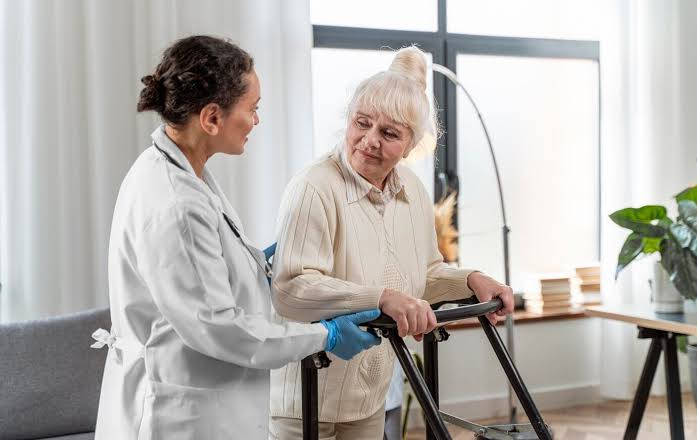
For someone receiving personal care at home in Herndon, a schedule based on these specific needs can feel far more practical than simply assigning the same hours every day. The goal is to fit care into the person’s life rather than forcing the person to reorganize their day around care.
Why Caregiver Matching Matters
The relationship between a caregiver and an older adult can affect how comfortable care feels. Skills and experience are important, but personality also matters. A quiet senior may prefer someone calm and patient. A highly social person may enjoy a caregiver who likes conversation, games, or outings.
When there is a good match, trust often develops more naturally. That can be especially important when the caregiver is helping with personal routines or spending several hours in the home.
How Technology Is Supporting More Personalized Care
Technology is becoming part of senior care without needing to dominate the experience. Digital care plans can help caregivers review instructions before a visit. Scheduling platforms can make shift changes easier. Family portals may provide updates, while medical alert devices and remote monitoring tools can add another layer of reassurance.
The best technology works quietly in the background. It should make communication and organization easier while allowing caregivers to focus on the person rather than the screen.
Condition-Specific Support Is Becoming More Common
Older adults living with dementia, Parkinson’s disease, stroke-related changes, or other chronic conditions may benefit from care that reflects their specific challenges. For example, someone with dementia may respond better to familiar routines and simple choices. A person with Parkinson’s may need more time for dressing, walking, or transferring.
This type of support does not replace physicians, nurses, therapists, or other clinical professionals. Instead, it helps everyday care fit more closely with what the person is experiencing.
How Can Personalized Care Protect Independence?
Good care should not automatically mean doing everything for someone. Sometimes the best support is knowing when to step in and when to step back.
If an older adult can button most of a shirt but needs help with the final buttons, there may be no reason to dress them completely. If they enjoy helping prepare lunch, a caregiver can assist with the harder steps instead of taking over the kitchen. That approach allows the person to remain involved in their own life.
Family Communication Is Becoming Part of Better Care
Many adult children help coordinate care even when they do not live nearby. They want to know when something important changes, but they do not necessarily need an update after every routine task. Modern care is making that communication more organized.
Families comparing home health care agencies arlington va may want to ask:
- How are changes documented?
- Who communicates concerns?
- How are family members updated?
- What happens when care needs increase?
Clear communication can help everyone stay informed without making care feel overly complicated.
When Should a Care Plan Be Changed?
Senior care needs rarely stay exactly the same. A few visits each week may work well for months. Then a fall, hospital stay, change in memory, or decline in mobility may create new needs.
The opposite can happen too. Someone recovering from surgery may initially need frequent assistance and later require less support. A good care plan should be reviewed whenever daily routines begin to change. Families should look at what is working, what is becoming harder, and whether the current schedule still makes sense.
Personal Care Is Becoming More Respectful and Dignified
Bathing, dressing, grooming, toileting, and incontinence care require sensitivity. These tasks are very personal, and needing assistance can feel uncomfortable for someone who has been independent for most of their life. Families looking for personal care at home in Herndon should pay attention to how caregivers handle these moments.
Respectful care includes:
- Offering choices
- Protecting privacy
- Explaining what is happening
- Allowing enough time
- Encouraging the person to participate
- Avoiding unnecessary rushing
The way care is delivered can matter just as much as the task itself.
Where Is Personalized Senior Care Heading Next?
The direction of senior care is becoming clearer. Families want care that fits naturally into everyday life. They want Mom to keep drinking coffee in her favorite chair. They want Dad to choose his own clothes. They want familiar routines, meaningful activities, and help only where it is genuinely needed.
Technology will continue to improve. Care plans may become more detailed. Communication may become faster. But the most important trend is still very human. Personalized senior care works best when the care team first understands the person, then builds support around their routines, preferences, abilities, and goals. That is what turns care from a service into something that actually fits the life of the person receiving it.