
A basement can provide valuable additional space for storage, recreation, laundry, utilities, or finished living areas, but its location below ground makes it particularly vulnerable to moisture. Water can enter through foundation cracks, basement floors, wall joints, windows, or poorly managed drainage systems. Even a small amount of recurring moisture can eventually affect building materials, stored belongings, indoor comfort, and the overall condition of the property.
Professional basement waterproofing is designed to identify the source of water intrusion and establish a reliable system for controlling moisture. Rather than relying on temporary patches or repeatedly cleaning up after leaks, a comprehensive approach addresses drainage, foundation conditions, groundwater, surface runoff, and other factors that contribute to basement water problems. When these issues are handled correctly, homeowners can maintain a cleaner, drier, and more functional basement while helping protect the foundation.
Understanding Basement Water Problems
Basement moisture can develop through several different pathways. Rainwater is one of the most common sources, particularly when gutters are clogged or downspouts release water directly beside foundation walls. Poor grading can create another problem by allowing surface water to flow toward the building rather than away from it.Groundwater can also place significant pressure on basement walls and floors. When surrounding soil becomes saturated, hydrostatic pressure can push water through cracks, joints, porous concrete, and other weak points. In some properties, groundwater may rise beneath the basement floor and create seepage through cracks or construction joints.Plumbing leaks, condensation, damaged window wells, and inadequate drainage can contribute to moisture as well. Because the source is not always obvious, a professional assessment can help determine which waterproofing approach is most appropriate.
Early Warning Signs of Basement Moisture
Water intrusion does not always begin with flooding. Homeowners may first notice subtle signs such as a musty smell, damp walls, discoloration, peeling paint, white mineral deposits, or small puddles after heavy rainfall.Persistent humidity can also indicate a moisture problem. Condensation on pipes, damp cardboard boxes, warped wood, rusting metal objects, or deteriorating stored materials may suggest that the basement environment is too humid even when there is no visible leak.Foundation cracks should receive attention as well. Some cracks may be related to normal concrete shrinkage, while others can be associated with settlement, soil pressure, or water intrusion. If a crack repeatedly becomes wet, it may be providing a direct pathway for groundwater.
Why Professional Waterproofing Matters
A visible leak is often only one part of a larger moisture problem. Sealing the opening without addressing drainage or groundwater pressure may provide only temporary relief. Water can find another pathway or return when soil becomes saturated.Professional waterproofing focuses on understanding the entire moisture-control system. This includes examining foundation walls, basement floors, drainage conditions, gutters, downspouts, grading, sump equipment, and other areas that influence how water reaches The goal is to control water at its source whenever possible and provide a dependable route for water that does reach the drainage system. This approach can reduce recurring leaks and provide stronger long-term protection than temporary surface repairs.
Interior Waterproofing Methods
Interior waterproofing can help manage groundwater entering through basement walls, floors, and foundation joints. Depending on the property’s condition, an interior drainage system may collect water and direct it toward a sump basin.A sump pump can then remove the collected water and discharge it away from the foundation. This creates a controlled path for groundwater and can help reduce the risk of water accumulating on the basement floor.Interior systems may also include crack sealing, drainage channels, wall treatments, and other moisture-control components. The design should be based on the source and volume of water as well as the foundation’s construction.Interior waterproofing can be particularly useful when exterior excavation is difficult or when groundwater needs to be managed from within the basement.
Exterior Waterproofing Solutions
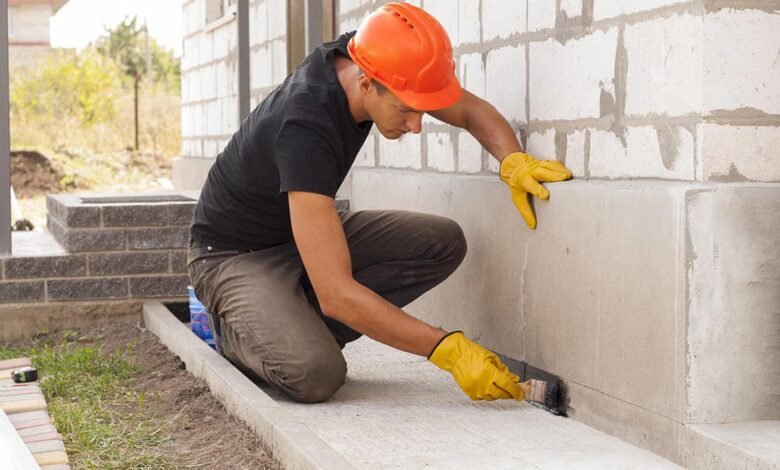
Exterior waterproofing attempts to stop moisture before it reaches the interior side of the foundation. Depending on the situation, the process may include excavation, foundation cleaning, crack repair, waterproof membranes, drainage materials, and protective layers.
The objective is to reduce water exposure against foundation walls and help move groundwater away from the structure. Exterior drainage systems may also be used to manage water near the base of the foundation.Although exterior waterproofing can involve more extensive preparation, it can provide an effective solution when the foundation exterior is accessible and water pressure is a significant concern. Landscaping, patios, walkways, and other obstacles should be considered during planning.
Foundation Crack Repair
Foundation cracks are common pathways for basement water. Their importance depends on factors such as size, direction, location, movement, and whether moisture is passing through them.Small stable cracks may require a different treatment from cracks that are widening or accompanied by wall movement. Professional evaluation can help determine whether the issue is primarily related to moisture, normal concrete behavior, settlement, or structural movement.A waterproofing strategy should address the conditions that allow water to reach the crack. Simply covering the surface may not be enough if hydrostatic pressure continues to force water through the foundation.
Managing Hydrostatic Pressure
Hydrostatic pressure occurs when water accumulates in the soil around or beneath a foundation. As pressure increases, groundwater may push through cracks, joints, porous concrete, or other weak areas.Effective drainage can help relieve this pressure by providing water with a controlled path away from the foundation. Depending on the property, solutions may include footing drainage, exterior drainage systems, interior channels, sump pumps, or grading improvements.Managing pressure is particularly important for basements that experience recurring seepage after heavy rainfall. The right solution should be based on the property’s soil, drainage, foundation design, and groundwater conditions.
Improving Gutters and Downspouts
Roof runoff can contribute significantly to basement moisture. When gutters overflow or downspouts discharge too close to the foundation, large amounts of water can collect beside basement walls.Keeping gutters clear allows rainwater to move through the system properly. Downspouts should direct water away from the foundation and toward an appropriate discharge area.
These simple maintenance measures can complement professional waterproofing and reduce unnecessary water exposure. Homeowners should inspect gutters and downspouts after severe weather to make sure they remain connected, unobstructed, and correctly positioned.
Correcting Poor Grading
The ground around a property should generally direct surface water away from foundation walls. Soil can settle over time, creating low spots where water collects and remains close to the structure.Improving grading can reduce the amount of surface water reaching the foundation. In areas where grading cannot provide enough protection, additional drainage may be necessary.Outdoor improvements should also be considered. Landscaping, garden beds, retaining walls, patios, and other features can change water flow. Proper planning can help prevent these features from directing water toward the basement.
Sump Pump Systems
A sump pump can be an important component of a basement moisture-control system. It collects water in a sump basin and pumps it away from the property through a discharge line.Because the pump may be responsible for removing significant amounts of groundwater, regular maintenance is important. Homeowners should test the system periodically and make sure the discharge line remains clear.Backup protection can also provide additional security. A battery backup or secondary pump may help maintain water removal during power outages, depending on the property’s specific needs and the amount of groundwater it receives.
Protecting Basement Air Quality
Excess moisture can affect indoor environmental conditions. A damp basement may develop persistent odors and increased humidity, which can create an unfavorable environment for building materials and household belongings.Waterproofing addresses the source of moisture, while dehumidification can help manage humidity that remains after active water intrusion has been corrected. Ventilation may also contribute to better air movement when appropriate for the space.A dehumidifier should not be considered a replacement for waterproofing when water is actively entering through the foundation. Removing moisture from the air does not stop groundwater from entering through a crack or basement floor.
Protecting Stored Belongings
Many homeowners use basements to store seasonal decorations, furniture, documents, clothing, appliances, and other items. Recurring moisture can damage these belongings even when the amount of water seems minor.Cardboard can absorb moisture quickly, metal can corrode, and wood can swell or deteriorate. A waterproofed basement can provide a more dependable environment for storage.Important belongings should still be stored carefully and elevated when possible. Storage precautions can reduce potential damage, but they should complement rather than replace a proper moisture-control system.
Waterproofing Before Basement Remodeling
Homeowners planning to finish or remodel a basement should resolve water problems before installing new materials. Flooring, drywall, insulation, cabinets, and other finishes can make it harder to access foundation areas later.Addressing waterproofing first creates a stronger foundation for renovation. It can reduce the risk of investing in finished materials only to discover recurring leaks afterward.A finished basement should also be designed with moisture management in mind. Drainage, insulation, humidity control, ventilation, heating, and cooling can all contribute to the long-term performance of the space.
Choosing the Right Waterproofing Solution
There is no universal waterproofing method that works for every basement. One property may need an interior drainage system, while another may benefit from exterior waterproofing and grading improvements. Some properties may require crack repair, sump pump installation, or several solutions working together.The correct approach depends on the source of water, foundation construction, soil conditions, drainage patterns, age of the property, and severity of the moisture problem.Homeowners should ask questions about what is causing the water, how the proposed system will control it, what materials will be used, and what maintenance will be required. Understanding the complete plan can help prevent homeowners from paying for temporary solutions that fail to address the underlying cause.
Maintaining a Waterproofed Basement
Waterproofing should be supported by regular maintenance. Gutters should remain clear, downspouts should discharge water away from the foundation, and grading should be monitored for changes.Sump pumps should be tested periodically, especially before periods when heavy rainfall is expected. Drainage channels and discharge systems should also be checked for obstructions.Inside the basement, homeowners should watch for new stains, damp spots, odors, or foundation cracks. If a previously repaired area becomes wet again, prompt inspection can help identify the cause before the issue becomes more serious.
When to Contact a Waterproofing Professional
Professional evaluation is recommended when basement water repeatedly appears, enters through foundation cracks, occurs after heavy rainfall, or causes persistent dampness. Standing water, recurring flooding, significant cracks, or wall movement should receive prompt attention.An inspection can help determine whether the moisture is coming from groundwater, surface drainage, plumbing, condensation, or foundation defects. Identifying the source is important because each problem requires a different solution.Professional waterproofing services can provide a comprehensive strategy for controlling water rather than repeatedly treating visible symptoms. This can help homeowners protect the basement and foundation over the long term.
Long-Term Advantages of Moisture Protection
A properly protected basement can offer benefits throughout the property. Effective moisture control can help protect foundation materials, interior finishes, structural components, stored belongings, and mechanical systems.A dry basement is also better suited for future renovations. Homeowners can create offices, recreational areas, storage rooms, guest spaces, or other finished areas with greater confidence when underlying moisture concerns have already been addressed.Preventative waterproofing can also reduce the frequency of emergency cleanup and recurring leak repairs. While every property has different requirements, a properly designed system can provide reliable protection against common sources of basement water.
Conclusion
Basement water can result from groundwater, hydrostatic pressure, foundation cracks, poor grading, gutter problems, drainage failures, plumbing leaks, and other conditions. Because water can follow hidden pathways, addressing only the visible leak may not provide a permanent solution.
Professional basement waterproofing focuses on identifying the source of moisture and developing a coordinated system to manage it. Depending on the property’s needs, this may include interior drainage, exterior waterproofing, crack repair, sump pump systems, grading improvements, gutter maintenance, or humidity control.Taking action when moisture problems first appear can help protect the foundation, prevent damage to interior materials, and improve the usability of the basement. With professional assessment, quality installation, and consistent maintenance, homeowners can create a drier and more dependable lower level while supporting the long-term durability and value of the property.