
Property damage can happen without warning and create immediate challenges for homeowners, business owners, and property managers. A burst pipe, roof leak, fire, flooding event, storm, appliance failure, plumbing problem, or other unexpected incident can affect much more than the visible appearance of a building. Water can move beneath flooring and behind walls, smoke can leave residues throughout a structure, and damaged exterior materials can expose the interior to additional weather conditions. Furniture, equipment, personal belongings, inventory, documents, and important building components may also be affected. Recovering from these situations requires a careful and organized approach that addresses both the immediate problem and the hidden conditions that may develop afterward. Professional property damage restoration can help manage this process by assessing the extent of the damage, stabilizing the affected areas, removing water or debris, cleaning and drying materials, evaluating structural components, and preparing the property for necessary repairs. A prompt response can help reduce additional damage and provide property owners with a clearer path toward restoring their space.
Understanding the Different Types of Property Damage
Property damage can result from many different events, and each situation can require a different restoration strategy. Water damage may occur because of plumbing leaks, burst pipes, overflowing fixtures, appliance failures, roof leaks, or flooding. Fire damage can affect structural materials directly while smoke and soot may spread into areas that were not exposed to flames. Storm-related damage can involve high winds, heavy rain, fallen debris, damaged roofing, broken windows, and water intrusion. Mold can become a concern after water damage when affected materials remain damp for an extended period. In many cases, more than one type of damage is present at the same time. A fire may be followed by water damage from firefighting efforts, while a storm may cause exterior damage that allows water to enter the property. Because these problems can overlap, the restoration process should evaluate the entire condition of the building rather than focusing only on the most visible issue.
Why a Fast Response Is Important
Time can have a major influence on the severity of property damage. Water can continue spreading through porous materials, damaged openings can allow additional weather exposure, and smoke residues may settle on surfaces throughout the building. When moisture remains inside walls, ceilings, flooring, insulation, or other concealed spaces, additional deterioration can occur even after the visible water has been removed. Prompt action allows restoration professionals to identify the source of the damage, take steps to prevent the situation from becoming worse, and begin the appropriate mitigation process. Depending on the event, early action may involve water extraction, emergency drying, debris removal, temporary protection of damaged areas, cleaning, or other immediate services. The goal is to stabilize the property as quickly as practical and reduce the possibility of secondary problems that could increase the scope of the restoration project.
The Importance of a Complete Property Assessment
A thorough assessment is one of the most important stages of restoring a damaged property. Visible damage does not always reveal the full extent of the problem because water, smoke, and other forms of damage can reach concealed areas. Professional restoration teams evaluate the affected structure and look for conditions that may not be immediately noticeable. Water may have traveled behind walls or beneath flooring, while smoke residues may have reached rooms away from the original fire. Storm damage may also create openings that allow additional moisture to enter the property. During an assessment, restoration professionals consider the type of damage, affected materials, possible hidden conditions, and the immediate actions required to prevent further deterioration. This information helps create a more effective restoration plan and reduces the possibility of overlooking areas that could cause problems later.
Water Damage Restoration and Structural Drying
Water is one of the most common causes of serious property damage because it can move quickly through a building and affect multiple materials. A plumbing failure may begin in one room but spread through walls, floors, and ceilings into surrounding areas. Water extraction is often an important first step because removing standing water can reduce continued exposure to moisture. However, extraction alone does not guarantee that a structure is dry. Moisture can remain trapped beneath flooring, inside walls, within insulation, and around cabinets or other building components. Professional structural drying may involve specialized equipment designed to remove moisture from affected materials and the surrounding environment. Moisture monitoring can also help identify areas that require additional drying. Thorough drying is essential because hidden moisture can contribute to material deterioration, unpleasant odors, and mold growth if it remains unresolved.
Fire and Smoke Damage Recovery
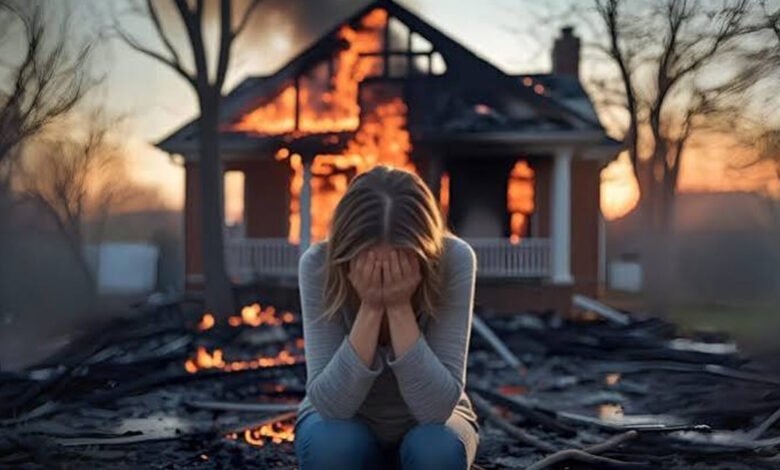
Fire damage can affect a property in several ways and often requires more than replacing materials that were directly exposed to flames. Smoke and soot can travel throughout the building and settle on walls, ceilings, flooring, furniture, equipment, and other surfaces. Odors can also remain in affected materials and enclosed areas. Fire restoration may include debris removal, cleaning of smoke and soot residues, odor management, assessment of damaged structural materials, and preparation for repairs. Water used during firefighting efforts can introduce an additional restoration challenge, requiring extraction and structural drying as part of the overall recovery process. A coordinated approach helps ensure that the different forms of damage are addressed in the appropriate order so that unresolved moisture or contamination does not interfere with later repairs.
Storm and Weather-Related Damage
Severe weather can cause extensive damage to both the exterior and interior of a property. Strong winds may affect roofing, siding, windows, and other building components, while heavy rain can enter through damaged or weakened areas. Fallen branches and debris can cause additional structural damage and may create openings that leave the property exposed. One of the first priorities after a storm is often securing damaged areas to reduce the possibility of further water intrusion or weather exposure. Temporary protection may be necessary before permanent repairs can begin. Restoration work can then focus on removing water, drying affected materials, cleaning debris, assessing damage, and preparing the property for repairs. A careful inspection is important because some storm damage may not be immediately visible and can continue causing problems if left unaddressed.
Mold Concerns After Property Damage
Mold can become a secondary problem when a property experiences water intrusion and affected materials remain damp. Water may be removed from visible surfaces while moisture remains inside walls, beneath flooring, or in other concealed areas. If these materials are not properly dried, they can create conditions that support mold growth. This is why moisture detection and structural drying are important parts of water-related restoration. When mold is already present, the affected area may require additional evaluation and remediation procedures. The source of moisture should also be corrected because removing visible mold without addressing the cause can allow the problem to return. A complete restoration process considers both the immediate damage and the conditions that may create future problems, helping property owners protect the building over the long term.
Protecting the Property From Additional Damage
Unexpected damage can leave a building vulnerable to additional problems. A damaged roof, broken window, compromised door, or other opening may allow more water, wind, debris, or unauthorized access into the property. Emergency measures may be needed to secure these areas while a permanent repair plan is developed. Protecting the structure from continued exposure can help prevent the original event from causing additional damage. Restoration professionals can assess immediate vulnerabilities and determine what temporary protective measures may be appropriate. Stabilizing the property also creates a safer and more controlled environment for cleanup, drying, and further restoration work. Taking these steps early can reduce the risk of a small damaged area becoming a much larger problem.
Cleaning and Restoring Affected Materials
Not every damaged material needs to be replaced, but each affected component should be evaluated based on its condition. Some surfaces and belongings can be cleaned and restored, while others may be too severely damaged to remain in place. The appropriate decision depends on the type of material, the source of the damage, the duration of exposure, and whether the material can be effectively cleaned or dried. Porous materials exposed to extensive water damage may require more careful evaluation because moisture can penetrate beneath the surface. Fire and smoke damage may also affect materials in ways that require specialized cleaning rather than ordinary surface treatment. A professional restoration team can evaluate affected components and determine which materials may be restored and which may require removal before repairs can begin.
Restoring Personal Belongings and Business Contents
Property damage can affect important belongings as well as the structure itself. Furniture, clothing, electronics, documents, photographs, inventory, equipment, and other items may require evaluation after a water, fire, or storm event. Some belongings can be cleaned and restored when they receive prompt attention, while others may have sustained damage that cannot be reversed. Careful handling is important because moving wet or damaged items incorrectly can create additional problems. Restoration professionals can help assess affected contents and determine which items may be candidates for cleaning, drying, or specialized restoration. Protecting unaffected belongings is also important because moving them away from damaged areas can reduce the possibility of secondary exposure during the restoration process.
The Role of Moisture Detection
One of the most important parts of water-related recovery is identifying moisture that cannot be seen. Water can travel into wall cavities, underneath flooring, around cabinetry, above ceilings, and into insulation. A room may appear dry while building materials remain damp beneath the surface. Professional moisture detection helps restoration teams identify areas that require additional attention and prevents decisions from being based only on visible conditions. Once hidden moisture is located, drying equipment can be directed toward the affected materials. Monitoring the drying process helps determine whether the restoration plan is working and whether additional adjustments are necessary. This detailed approach can help reduce the possibility of leaving moisture behind that could contribute to future deterioration or mold growth.
Property Damage Restoration for Homes
Residential property damage can disrupt nearly every part of daily life. A water emergency may make a kitchen, bathroom, bedroom, or living area temporarily unusable, while a fire or storm can affect larger portions of the home. Homeowners may also need to make decisions about damaged flooring, drywall, furniture, appliances, and personal belongings. A professional restoration process can provide greater organization during a difficult situation by identifying the affected areas and establishing priorities for mitigation and recovery. Clear communication can help homeowners understand what work is necessary and which materials may be restored or replaced. A structured approach can make the recovery process more manageable while helping protect the long-term condition of the home.
Commercial Property Restoration
Commercial property damage can create additional concerns because businesses may need to protect employees, customers, equipment, inventory, and important records while managing the restoration process. Offices, retail spaces, warehouses, restaurants, and other commercial facilities can experience significant operational disruption when water, fire, or storm damage occurs. Restoration planning may involve prioritizing critical areas and organizing work so unaffected portions of the property can remain accessible when practical. Business owners and property managers also need clear information about the scope of the damage and the steps required for recovery. A professional restoration provider can help coordinate mitigation, cleanup, drying, contents protection, and repair planning to support a more organized return to normal operations.
Coordinating Restoration and Repairs
Restoration often involves several stages that need to be completed in the correct order. Emergency mitigation may come first, followed by water extraction, structural drying, debris removal, cleaning, and evaluation of affected materials. Once the property has been stabilized and hidden moisture or contamination has been addressed, permanent repairs can begin. Coordinating these stages is important because repairing or refinishing an area before it has been properly dried can create additional problems. Plumbing repairs, roofing repairs, flooring replacement, drywall installation, painting, and other reconstruction work may be necessary depending on the type of damage. A comprehensive plan can help ensure that each stage supports the next and that the property is properly prepared before final repairs are completed.
Choosing the Right Restoration Provider
Selecting a restoration provider is an important decision because the quality and organization of the response can influence the overall recovery process. Property owners should look for a company that understands different types of property damage and can provide services that address both immediate emergencies and the restoration work that follows. Experience with water damage, fire and smoke cleanup, storm damage, structural drying, moisture detection, mold concerns, and contents restoration can be valuable when a property has been affected by multiple issues. Clear communication is also important because homeowners and business owners should understand what damage has been identified and what restoration steps are recommended. A dependable provider should focus on the actual condition of the property and create an appropriate plan rather than relying on a one-size-fits-all approach.
Preventing Future Property Damage
Although unexpected events cannot always be prevented, regular maintenance can reduce certain risks. Plumbing systems should be inspected for leaks and deteriorating connections, while appliances and water-using equipment should receive appropriate maintenance. Roofs, gutters, drainage systems, windows, and exterior seals should also be checked periodically for signs of wear or damage. Property owners can benefit from knowing the location of important utility shutoffs so action can be taken quickly during an emergency. Small leaks, recurring condensation, stains, and unusual odors should also be investigated before they develop into more serious problems. Early maintenance and prompt repairs can help protect the property and reduce the likelihood of significant restoration needs.
The Long-Term Value of Professional Restoration
Professional property damage restoration is about more than cleaning up after an emergency. It provides a structured process for identifying the full extent of the damage, addressing immediate risks, removing moisture or debris, restoring affected materials, and preparing the property for necessary repairs. A comprehensive approach helps ensure that hidden conditions are not overlooked simply because the visible damage appears limited. This is particularly important after water intrusion, fire, or storm damage, where problems may continue developing after the initial event has ended. By addressing both immediate and long-term concerns, professional restoration can help property owners move toward a more complete recovery.
Conclusion
Unexpected property damage can create significant stress, but a prompt and organized response can help reduce additional problems and establish a clearer path toward recovery. Water, fire, smoke, storms, mold, and other damaging events can affect both visible and hidden areas of a building, making professional assessment and restoration important. Effective recovery may include emergency protection, water extraction, structural drying, debris removal, cleaning, contents evaluation, mold remediation, and repairs depending on the condition of the property.Professional property damage restoration provides homeowners, business owners, and property managers with a comprehensive approach to recovering after unexpected events. By identifying the source of the problem, addressing hidden damage, controlling moisture, protecting unaffected areas, and completing the necessary cleanup and repairs, restoration professionals can help return affected properties to a functional condition. Prompt action, careful planning, and ongoing maintenance can also help property owners reduce the impact of future emergencies and protect the long-term value and condition of their buildings.