Common Mistakes That Undercut PRP and Other Orthobiologic Injections: How to Avoid Them

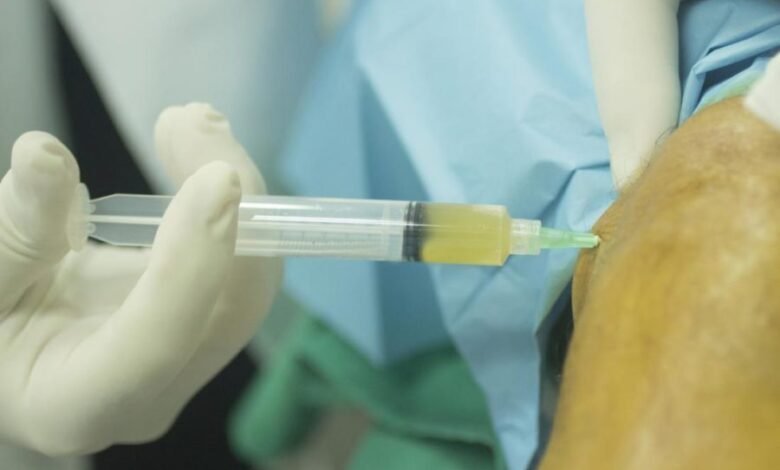
Platelet-rich plasma (PRP), bone marrow concentrate, and related orthobiologic injections aim to nudge the body’s own repair in stubborn problems like knee osteoarthritis, tennis elbow, or Achilles tendinopathy. Yet the injectate is only one variable. What you do before and after matters just as much as what goes into the syringe. Small missteps can irritate a healing tendon, dilute a platelet dose, or slow the remodeling you are hoping to spark. This article highlights practical, real-world errors people make with biologic injections and how to prevent them, so that your tissue, whether tendon, ligament, or cartilage, has the best chance to remodel.
-
Loading Tissue Too Soon or Not Enough After an Injection
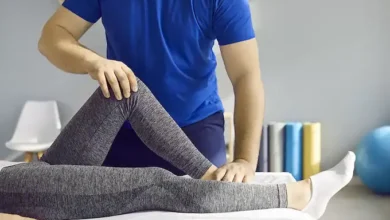
A top mistake after PRP or bone marrow concentrate is jumping back into provocative activities before the injected tissue can tolerate them. Sprinting on a newly treated Achilles or doing heavy overhead presses days after a rotator cuff injection can spike pain and inflame the same collagen you are trying to organize. The flip side is immobilizing for too long. Avoiding any calf loading for weeks after Achilles PRP, for example, can encourage stiffness and disorganized fibers. Many clinics coordinate with physical therapists; if your provider is with Limitless Regen or another practice, ask for a written loading plan that phases effort sensibly.
Early phases often use short bouts of isometric exercises to calm pain without excessive strain, then progress to slow eccentrics (such as controlled heel lowering for Achilles or wrist extensor eccentrics for tennis elbow). Later, you layer in energy-storage tasks such as hopping, throwing, or interval running. The right progression depends on the structure being treated, whether the target is intra-articular (e.g., knee OA) or extra-articular (e.g., patellar tendon), and your baseline capacity. The common thread is graded exposure: enough stress to nudge remodeling, not so much that you provoke a setback.
-
Managing Pain Without Blunting the Healing Signal
Many protocols ask patients to limit nonsteroidal anti-inflammatory drugs (NSAIDs) around PRP because COX inhibition can affect platelet signaling. When soreness hits, people sometimes reach for ibuprofen or naproxen anyway. It feels logical, but it may undercut the very inflammatory cascade the injection is designed to trigger. Talk with your clinician about alternatives such as acetaminophen for pain control and short, purposeful icing sessions used for comfort rather than around-the-clock numbing. A common error is “chasing numbness” with constant ice; prolonged cold can reduce local blood flow longer than intended.
Another pain-control pitfall is relying on passive strategies while ignoring load management. A compression sleeve, a topical analgesic, or a short bout of ice can be useful tools, but they do not replace adjusting mileage, swapping hill repeats for flat work, or capping the number of serves in a hitting session. Intra-articular flares after knee injections often respond to relative rest, gentle range-of-motion, and a temporary dial-back in steps per day, followed by a planned return to strengthening. Comfort measures support the plan; they are not the plan.
-
Why Image Guidance Matters for Hard-to-Reach Targets
Landmark-only injections can miss precise pathology, especially in small or deep targets. Ultrasound guidance helps deliver PRP to a partial-thickness tear on the bursal side of the supraspinatus, not just the subacromial space in general. Fluoroscopy can improve intra-articular placement in the hip or sacroiliac joint where angles and depth complicate navigation. A common mistake is assuming “close enough” is good enough. Accuracy matters when you are asking cells and growth factors to work at a specific lesion.
Image guidance also improves safety near neurovascular structures. Think of the proximity of the radial nerve in lateral elbow work or the femoral vessels in hip procedures. For patellar tendon pathology blended with infrapatellar fat pad irritation, ultrasound can help distinguish where to place and where to avoid. If your case involves a small tendon footprint, a deep joint, or prior surgical changes that altered anatomy, ask how your provider will visualize needle placement.
-
Blood and Tissue Readiness: Hydration, Sleep, and Illness
PRP starts with your blood, so arriving dehydrated can make draws difficult and reduce plasma yield. A simple fix is to hydrate normally the day before and the morning of your appointment unless your clinician advises otherwise. Heavy alcohol use the night before, tobacco use, and poor sleep are frequent but overlooked headwinds; nicotine constricts blood vessels, and short sleep undermines recovery signaling. Another misstep is showing up while acutely ill. If you have a fever or systemic infection, most clinicians will prefer to reschedule to protect both you and the quality of the biologic material.
For tendon-focused work, warming the target area before gentle range-of-motion exercises can help tissue glide, while aggressive self-massage on a freshly needled site may aggravate it. People also forget everyday nutrition: a steady intake of protein throughout the day supports collagen synthesis once loading starts. None of these replace your clinician’s protocol, but they set the stage so the injected biologic can do its job.
-
Rehab Timing, Follow-Ups, and Realistic Milestones
Another error is skipping structured follow-ups. A brief check-in a week or two after the procedure helps calibrate the next phase: Are isometrics still reducing pain? Is the range of motion improving? For knee osteoarthritis treated with PRP or hyaluronic acid, an early visit might emphasize gait mechanics and quadriceps activation, with later sessions shifting to hip abductors and balance drills. In tendon cases, coaches and therapists can coordinate volume caps, such as limiting the number of groundstrokes, stair steps, or jumps, as quality improves.
People also expect an overnight turnaround. Biologics seed a process measured in weeks to months. A runner who returns to tempo work within days risks a flare; an office worker who guards a painful elbow so completely that they avoid lifting a coffee mug risks persistent stiffness. Better is a written plan with built-in decision points: criteria to progress (less morning stiffness, improved tendon tolerance to a set load) and criteria to pause (night pain, swelling that persists into the next day). Know red flags too: escalating redness, fever, or calf swelling require prompt contact with your clinician.
Orthobiologic injections can be powerful nudges for stubborn musculoskeletal problems, but they are not magic. Protect the investment by matching the injectate to the right target, using image guidance when needed, preparing your body with hydration and rest, and following a progressive loading plan that respects tissue timelines. Swap blanket anti-inflammatory habits for pain strategies that do not mute early healing, and book follow-ups to adjust your program rather than guessing. With thoughtful execution, you give a treated tendon, ligament, or joint the conditions it needs to remodel and perform again.