
Few things about raising a child feel as routine as brushing teeth twice a day, and few things get overlooked as easily. Oral health in childhood sets a foundation that carries forward for decades, shaping everything from eating habits to confidence in social settings.
Parents often assume that as long as no one is complaining about pain, everything must be fine. In practice, the mouth changes constantly during childhood, and much of what happens takes place quietly, below the surface and out of view.
Knowing When Professional Guidance Becomes Necessary
Most families handle daily care well enough on their own, but there comes a point where trained eyes catch what a parent cannot. Bite alignment, jaw growth, and the way permanent teeth position themselves are difficult to assess from the bathroom mirror, and small irregularities can quietly compound over the years.
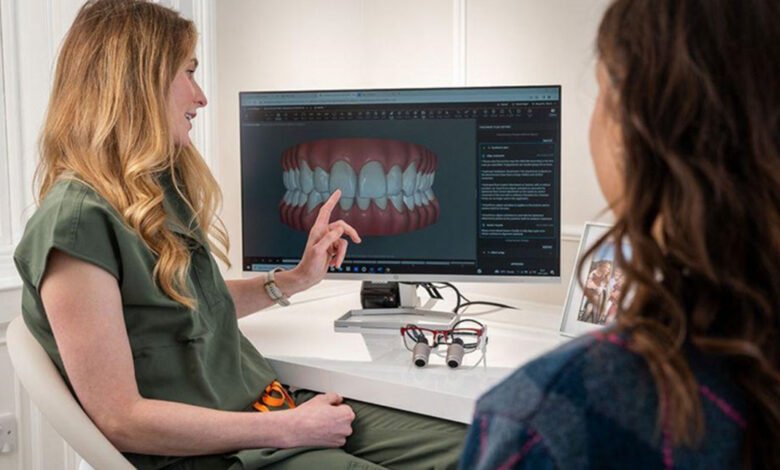
Families who want that clarity should seek professional orthodontic treatment for children to ensure their child’s development stays on track and any concerns are caught while they are still simple to address. Regular evaluation during the growing years gives families a clear picture of what is happening and removes the guesswork from deciding when action is worth taking.
How Daily Habits Shape Long-Term Results
Brushing and flossing get most of the attention, and rightly so, but the way those habits are built matters as much as the habits themselves. A child who brushes because someone stands over them will often abandon the routine the moment supervision ends. A child who understands why it matters tends to carry the practice forward. Making the routine predictable helps enormously. Same time, same place, same order every morning and evening, until it stops feeling like a task and starts feeling automatic.
Technique deserves attention too. Many children scrub quickly across the front surfaces and consider the job done, leaving the back molars and the gum line untouched. Those are exactly the areas where trouble tends to start. Two full minutes, small circular motions, and deliberate attention to the back of the mouth make a substantial difference. Flossing is harder to establish, largely because it requires dexterity that younger children have not developed yet, and parents often need to handle it themselves for several years before handing it over.
The Role Food and Drink Play
Diet influences the mouth more directly than almost anything else. Sugar is the obvious concern, but the pattern of consumption matters more than the total amount. A sweet treat eaten in one sitting is easier on teeth than the same amount spread across an afternoon of grazing, because each exposure restarts a cycle of acid production that wears at enamel. Frequency, not quantity, does the damage.
Drinks are where families are most often caught out. Fruit juice carries a reputation for being healthy, yet it delivers concentrated sugar alongside natural acidity, and sipping it slowly over an hour keeps the mouth in an acidic state the entire time. Sports drinks and flavored waters present similar problems. Plain water remains the best option between meals, and in most areas it brings the added benefit of fluoride.
Understanding What Happens Beneath the Surface
A great deal of childhood dental development occurs where nobody can see it. Permanent teeth form and move within the jaw long before they emerge, and the timing of that process varies considerably from one child to another. Some lose baby teeth well ahead of their classmates, others lag behind by a year or more, and both patterns can be entirely normal.
What matters is whether the sequence is progressing sensibly. Baby teeth serve as placeholders, holding space for the permanent teeth arriving behind them. When one is lost too early, neighboring teeth can drift into the gap, leaving insufficient room later on. When one refuses to fall out on schedule, the permanent tooth may be pushed into an awkward position as it emerges. Neither situation is a crisis, but both benefit from being noticed rather than discovered years later.
Habits That Quietly Cause Problems
Thumb sucking is common in early childhood and usually resolves without consequence. When it persists past the point where permanent teeth begin arriving, the constant pressure can gradually reshape the position of the front teeth and the palate itself. The same applies to prolonged pacifier use. Gentle redirection tends to work better than confrontation, since these habits are often tied to comfort and stress rather than stubbornness.
Mouth breathing is less widely recognized but worth watching. Children who habitually breathe through the mouth, whether from allergies, congestion, or habit, may experience changes in facial and jaw development over time. A persistently dry mouth also loses the protective washing action of saliva, raising the risk of decay. If a parent notices a child sleeping with an open mouth night after night, it is worth mentioning to a professional.
Making Dental Care Feel Normal Rather Than Frightening
Anxiety about dental visits is learned, not innate, and children absorb far more from adult behavior than most parents realize. A parent who describes an upcoming appointment with dread, or who promises a reward for being brave, communicates that something frightening is about to happen. Treating visits as ordinary and unremarkable produces better outcomes.
Starting early helps considerably. A child who has been visiting since before they can remember treats the chair as familiar territory. Those first visits are typically brief and involve little more than a look around and a conversation, which builds comfort before anything more involved is needed.
Language matters more than it seems. Vague, gentle words work better than clinical detail, and letting professionals answer a child’s questions in their own way usually goes more smoothly than a parent attempting to explain in advance. Children who feel informed rather than surprised tend to cooperate readily, and that cooperation compounds over years of appointments into an adult who does not avoid necessary care.