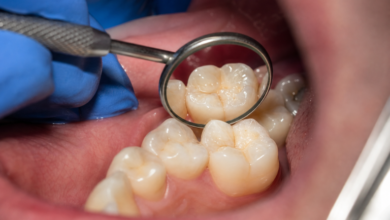

Whether you’re getting routine cleaning or undergoing a complicated extraction, one crucial factor very few patients consider is the type of dental equipment being used. Every day, instruments are subjected to extreme temperatures, chemicals, water and multiple sterilizations. The reliability of these instruments directly affects procedural efficiency and clinical outcomes.
The performance of the instrument in the long term depends on the material behind it. Dentists require instruments that are reliable, that will not contaminate and that will maintain their shape from appointment to appointment. If a patient is exposed to a weak or low-grade instrument, it can lead to inconsistent results, longer procedure times or a safety risk for the patient.
This article will explain why the transition to the use of stainless steel dental instruments is commonplace in today’s clinical practice and outline their key strengths in terms of strength, cleanliness, precision and durability.
Why the Materials Behind the Instruments Really Do Matter
Imagine how much a dental instrument endures during one day! It is used, cleaned, put in an autoclave, sterilized at high temperatures, taken out, stored and used again. Now factor in hundreds of cycles throughout its life.
Not all materials are suited for such treatment. Low-grade alloys start to corrode, and it is observed that pitting occurs on their surface and sharpness is lost faster than anticipated. This is not only a cost issue but a clinical one as well. A dull scaler requires more pressure to use. When the forceps are slightly distorted, they will affect the amount of control a clinician has during an extraction.
The oral environment is a special environment. Instruments are in constant contact with blood, saliva, disinfectants and heat. The material must remain stable in all conditions. This is why it is not solely a purchasing decision but a clinical one as well.
Key Benefits of Stainless Steel Dental Instruments
According to DataIntelo, the dental instruments market size was worth USD 14.5 billion in 2023 and is expected to reach USD 22.9 billion by 2032. The stainless steel market is by far the largest category of materials in that market, and the reasons are obvious.
1. Corrosion Resistance in Real Clinical Environments
One of the largest issues with instrument materials of lesser quality is what occurs once they are exposed regularly to moisture, heat and disinfectant chemicals. They pit. They rust. After surface integrity has been compromised, it is very difficult to completely sterilize that instrument; bacteria could hide in the minute defects on the surface.
Stainless steel’s surface forms a passive layer of chromium oxide, which regenerates if scratched. This implies that the device has the ability to withstand corrosion even after being used frequently. For any clinic that adheres to the recommendations of the CDC for instrument sterilization, stainless steel is one of the few materials that is not degraded by any validated autoclave sterilization process.
2. High Strength Without the Fragility
Mechanical stress is placed on instruments during dental procedures. To scale, the lateral force must be maintained. Controlled leverage and torque are used in extractions. Orthodontic pliers must flex the wire back and forth several times without losing their spring.
A 2021 study published in Materials (MDPI) found that harder scaler tips showed greater resistance to clinical wear over time. In practice, that can lead to:
- better resistance to bending under pressure
- fewer instrument failures during procedures
- more consistent clinical performance over repeated use
3. Precision & Tactile Feedback That Clinicians Depend On
This is something that is not mentioned enough. A clinician employing a scaler isn’t simply looking; they are feeling the calculus texture, the resistance and the transition between calculus and enamel. All of this information flows through the instrument handle.
With proper weighting and balancing, stainless steel instruments will convey the sense of touch. The material is not as vibration-absorbent as coated handle tools sometimes are. That feedback could be making finer adjustments, less double-checking, and more accurate results in procedures such as periodontal curettage or subgingival scaling.
4. Sterilization Compatibility and Easier Maintenance
Stainless steel is compatible with steam autoclaves (Class B and N), chemical disinfectants and ultrasonic cleaning equipment. It will not noticeably degrade with repeated sterilizing, as is the case with coated instruments, which have a coating that can chip, leach and change the surface.
This makes the whole reprocessing operation very easy from a workflow perspective. The instruments do not need to be handled differently depending on the type of instrument used, as they can be used in the same way each time. That consistency is a huge time saver and diminishes errors in a busy clinic.
5. Long-Term Cost Effectiveness for Dental Practices
There is a cost to quality stainless steel instruments, but it adds up fast. A properly cared-for stainless steel instrument may last for years with hundreds of cycles of sterilization. An inexpensive alloy instrument may not last more than a few months because of pitting, dull edges or obvious corrosion.
This replacement cycle compounds for practices that place instruments in bulk. Then there’s the not-so-obvious expense of inventory that’s disrupted and the danger of a tool going out of commission during a procedure. Clinics that obtain their products from reputable manufacturers, such as Next Edge Surgical, will always reap a higher ROI in the long run, as replacements are not occurring as frequently.
How Stainless Steel Compares to Lower-Grade Materials
A low-grade alloy or coated instrument may appear to be a good deal. The issues manifest themselves early in practice. Repeated autoclaving will cause surface coatings to chip. The lower the amount of chromium content, the more rapidly corrosion resistance decreases. Structural integrity is impaired in the instruments, and pitted surfaces result in areas that will not be eliminated by the sterilization process.
The stakes are high in the battle for infection control. Overall, the dental infection control market is projected to grow nearly double by 2031, reaching USD 1.32 billion in 2023, according to Insight Ace Analytic (Insight Ace).
One of the most direct methods a clinic can use to help establish sterility standards is through the use of instrument materials. Stainless steel is predictable, keeps its integrity, and doesn’t add to the challenging clinical setting.
Where Stainless Steel Instruments Are Most Used
Almost every field of dentistry makes use of stainless steel instruments:
- Periodontal scaling and root planing: Gracey curettes, sickle scalers and periodontal files
- Tooth extraction: forceps, elevators and luxators
- Restorative procedures: condensers, carvers and burnishers
- Orthodontic work: pliers, cutters, band-pushing instruments
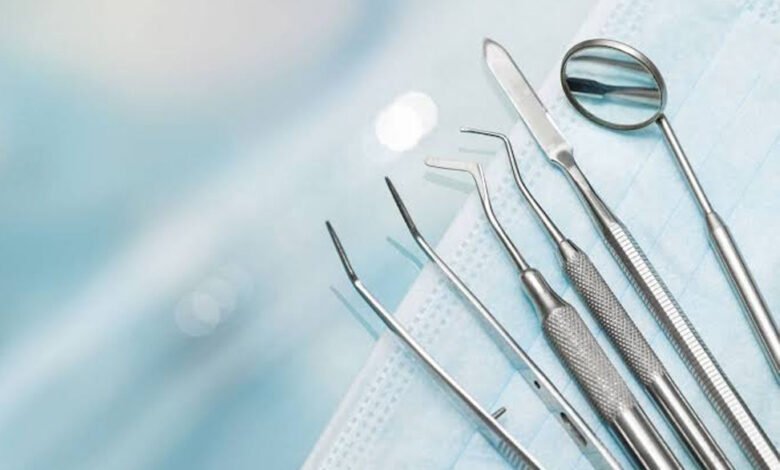
- Diagnostic and examination: probes, mouth mirrors and explorers
The material is strong under high pressure, high-precision contact and multiple cuttings. This intercategory consistency is one of the reasons why it is the standard.
Conclusion
Tradition is not the reason why stainless steel dental tools aren’t common. They are the benchmark because they provide the strength, corrosion resistance, sterility and accuracy that are required in a clinical environment.
In the eyes of the clinician, it’s a performance choice. It’s a monetary dilemma for practice managers. It’s a safety one for patients. The benefits have maximum impact when the material is matched with quality manufacturing, which is why it makes sense to buy from a trusted supplier, like Next Edge Surgical LLC.
FAQs
Q1: Why stainless steel is the most common material for dental instruments?
It offers superior corrosion resistance, mechanical strength and autoclave compatibility at a similar price to many alternatives and it works well in a variety of procedural types.
Q2: Will stainless steel dental instruments corrode?
Quality stainless steel is very rust-resistant. Surface spotting can occur if instruments are not thoroughly dried prior to autoclaving, but it is a maintenance problem (not a material problem) if protocols are adhered to properly.
Q3: How long do stainless steel dental instruments last?
If well-made and properly cared for, a well-made instrument can last for hundreds of rounds of sterilization and for many years. The lifespan is a function of the quality of the steel, clinical usage and maintenance practices.
Q4: Do there exist any procedures in which stainless steel is not recommended?
Yes, stainless steel must not be used in direct contact with the surface of the titanium implant because the stainless steel can scratch the implant surface and cause galvanic corrosion. In those cases, plastic, carbon fiber or titanium-specific instruments are usually called for.
Q5: What should I look for when buying stainless steel dental instruments?
Check for medical-grade steel (410, 420, or 440 series); a smooth, even surface finish; autoclave test points and a manufacturer that has proven quality and hardness testing, particularly for high-use items such as scalers and forceps.