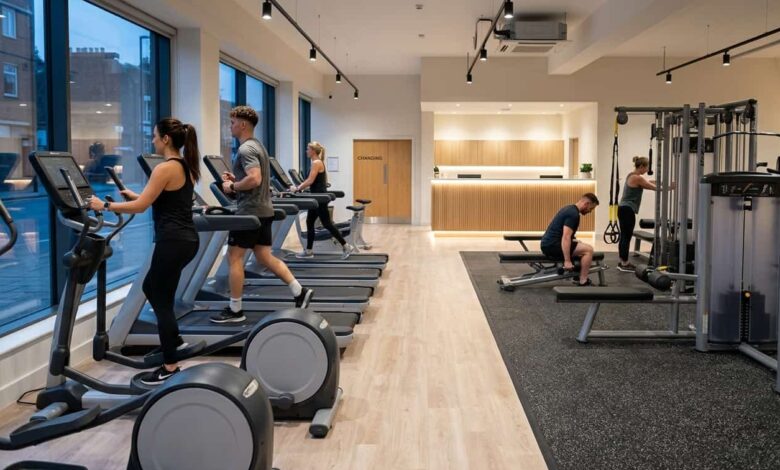

Running a gym or fitness facility is a capital-intensive operation. The equipment that fills your floor — treadmills, strength racks, cable systems, cardio machines, free weights — represents a significant portion of your total operating investment. Unlike software subscriptions or service contracts, fitness equipment is a physical asset with a defined lifespan, maintenance demands, and a direct connection to member experience. When equipment breaks down, becomes outdated, or simply fails to meet demand, members notice. And when owners try to replace or expand equipment by pulling from operating cash, the financial strain can affect everything from staffing to marketing to facility maintenance.
This is the core tension most gym operators face: the need to keep equipment current and sufficient competes directly with the need to keep the business running smoothly. Understanding how to structure the acquisition of fitness equipment — rather than simply paying for it outright — is a practical operational decision, not just a financial one.
What Fitness Equipment Financing Actually Involves
At its core, fitness equipment financing is a structured arrangement that allows a gym or fitness business to acquire equipment now while distributing the cost over a defined repayment period. Rather than committing a large sum from existing capital reserves, the business works with a lender or financing provider to pay for equipment incrementally, typically through fixed monthly installments. This approach keeps working capital intact and aligns the cost of the asset with the period during which it generates value for the business.
For gym owners researching their options, understanding the mechanics behind fitness equipment financing helps clarify what kinds of arrangements are available, what lenders typically evaluate, and how different structures affect cash flow over time. The general framework involves either a loan — where the business borrows a sum, purchases the equipment outright, and repays the loan — or a lease arrangement, where the business makes periodic payments for use of the equipment with options to purchase or return at the end of the term.
Loans Versus Leases: Choosing the Right Structure
The difference between a loan and a lease goes beyond monthly payment amounts. With an equipment loan, the gym takes ownership of the equipment at the time of purchase. The equipment appears on the business’s balance sheet as an asset, and the loan appears as a corresponding liability. As payments are made and the loan is retired, the business builds equity in the asset. This matters if you plan to hold equipment for its full useful life or if ownership has tax implications you want to preserve.
A lease, by contrast, keeps the equipment off your balance sheet in many cases and provides more flexibility at the end of the term. Leases are often structured with lower monthly payments than equivalent loans because the lender retains residual ownership of the asset. For gym owners who anticipate needing to upgrade equipment regularly — particularly cardio machines, which evolve in terms of software and user interface — leasing can reduce the risk of holding outdated equipment past its useful window. The trade-off is that you may pay more in total over the term without building ownership equity along the way.
How Lenders Evaluate Fitness Business Applications
Lenders who specialize in commercial equipment financing look at several factors when evaluating a gym or fitness facility. The age of the business plays a role, as does revenue consistency, existing debt obligations, and the owner’s personal credit profile in the case of smaller operations. The type of equipment being financed also matters — newer commercial-grade equipment from established manufacturers tends to support stronger financing terms than used or refurbished equipment, because its resale value provides collateral security for the lender.
Gyms that are newer or still building revenue history may find that some traditional lenders are reluctant to extend favorable terms. In these cases, specialized fitness industry lenders or equipment-focused financing companies tend to offer more flexible evaluation criteria. Understanding what a lender is looking at allows gym operators to prepare accurate documentation, present their financials clearly, and approach the application process with realistic expectations rather than surprises.
How Cash Flow Is Affected by Equipment Acquisition Decisions
Cash flow in a gym business follows a specific rhythm. Member dues and class fees typically come in monthly or per session, while major expenses — rent, payroll, insurance, utilities — recur on predictable cycles. Equipment acquisition sits outside this rhythm. A large cash purchase disrupts the balance by pulling a significant sum out of operations in a single transaction, often at a moment when that capital could be serving other functions in the business.
The practical risk of depleting cash reserves to buy equipment is not always visible immediately. A gym may make a large purchase, look stable on paper for a month or two, and then find itself unable to absorb an unexpected expense — a roof repair, a vendor contract renewal, a staffing gap — because the reserve that would have covered it was spent on equipment. Equipment financing avoids this by converting a lump-sum outflow into a manageable monthly obligation that fits within the normal operating budget.
Planning Equipment Budgets Around Revenue Cycles
Gym revenue is rarely uniform across the calendar year. January and early spring tend to bring membership spikes, while summer and the holiday period can see dips depending on the market. A gym operator planning a major equipment investment should consider how that investment — and any associated financing payments — aligns with expected revenue across the year. Financing payments that are calibrated to a gym’s realistic monthly cash position are far less disruptive than the same amount paid as a one-time purchase during a slow period.
Some financing arrangements also offer seasonal payment structures, where payments are adjusted based on expected revenue patterns. While not universally available, this flexibility can make a meaningful difference for operators in markets with strong seasonal swings. Speaking with a financing provider about payment customization — before signing a standard agreement — is a step worth taking during the negotiation phase.
Timing Equipment Investments With Business Growth
Equipment acquisition is rarely a standalone decision. It usually connects to something broader: expanding a facility, opening a new location, refreshing aging equipment to retain members, or adding new service categories like group fitness or recovery. The timing of that decision — and how it is financed — can either support or strain the growth initiative it is meant to serve.
According to the U.S. Small Business Administration, managing cash flow is one of the most common challenges facing small business owners, and equipment-intensive businesses face this challenge with particular intensity because the assets they depend on are both expensive and physically depreciating. Aligning equipment investment with a financing structure that preserves operating capital is not a sign of financial weakness — it is standard practice in industries where physical assets are central to service delivery.
Avoiding the Trap of Undercapitalized Expansion
One of the more common mistakes gym owners make is treating equipment acquisition as a standalone financial decision rather than as part of a broader capital plan. A new location, for instance, requires more than equipment — it requires staffing, marketing, licensing, and operating reserves for the months before the location reaches break-even. If a gym owner spends most of their available capital on equipment alone, the other elements of the launch become underfunded.
Fitness equipment financing, used deliberately, can serve as a way to preserve capital for the surrounding costs of growth while still getting the physical assets in place on schedule. This requires a realistic view of total startup costs, a financing structure that does not strain monthly cash flow, and enough discipline to keep borrowed capital earmarked for the equipment it was intended to fund rather than absorbing it into general operating expenses.
What to Evaluate Before Signing a Financing Agreement
Not all financing agreements are structured the same way, and terms that look similar on the surface can carry meaningfully different costs over the life of the contract. Before committing to any fitness equipment financing arrangement, gym operators should evaluate several specific elements with care.
- The total cost of financing over the full term, not just the monthly payment, so you understand what the equipment actually costs when interest and fees are included.
- Whether the agreement includes prepayment penalties, which can limit your ability to pay off the balance early if cash flow improves ahead of schedule.
- What happens at the end of the term if you have a lease — specifically whether there is a purchase option, a renewal option, or a required return of equipment.
- How the lender handles equipment that needs to be replaced mid-term due to mechanical failure or manufacturer discontinuation, particularly for technology-dependent cardio equipment.
- Whether the financing provider has experience with fitness businesses specifically, as industry-familiar lenders tend to structure terms that reflect the realities of gym revenue and equipment lifecycles.
Reading the Fine Print on Early Termination
Gym businesses go through changes — ownership transitions, lease relocations, shifts in membership model — that can make an equipment financing contract complicated to exit. Early termination clauses vary widely between lenders and agreement types. Some allow early payoff with minimal cost; others include substantial penalties or require payment of the full remaining interest as a condition of closing the account. Understanding these terms at the start, rather than when a business transition is already underway, gives operators the ability to plan around them or negotiate more favorable language before signing.
Closing Thoughts
Financing fitness equipment is a practical tool, not a last resort. For most gym operators — whether they are opening a first location, refreshing an established facility, or expanding into new service areas — distributing the cost of equipment over time is simply a more sustainable way to manage capital. The key is approaching it deliberately: understanding what type of arrangement fits the business, reading agreements carefully before committing, and ensuring that monthly obligations align with realistic cash flow rather than optimistic projections.
Gym equipment is what the business is built on. It affects member retention, staff capability, and the overall reputation of the facility. Protecting the capital that surrounds that equipment — so the rest of the business can function without pressure — is as important as the equipment itself. Structured financing, when applied with clear eyes and sound planning, supports both.