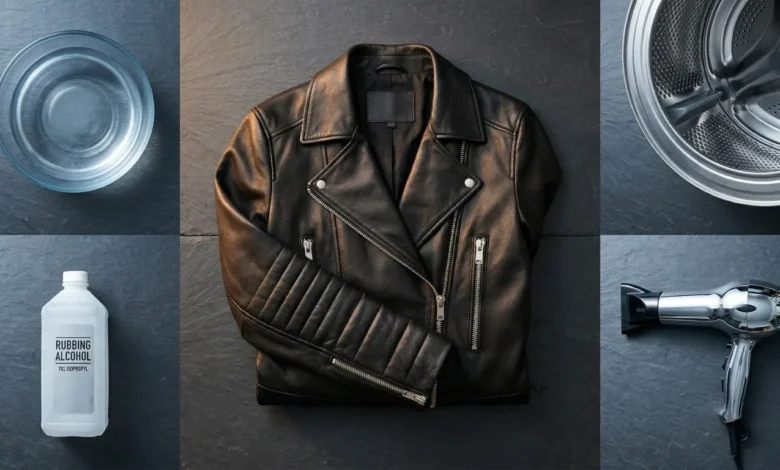

A new leather motorcycle jacket often looks ready for the road long before it feels ready for the road. Fresh leather can be firm around the shoulders, elbows, upper back, chest, cuffs, and waist because the material has not yet adapted to your body or the movements you make while riding. Once you sit on a motorcycle and reach toward the handlebars, those stiff areas become even more noticeable because the jacket has to bend and flex in several directions at the same time.
Breaking in a leather motorcycle jacket means gradually helping the leather become more flexible while preserving the jacket’s original shape and construction. It should not involve soaking the jacket, forcing the sleeves to stretch, heating the leather, or covering it with excessive conditioner. Regular wear, body heat, natural movement, short rides, and correct leather care are usually enough. A successful break-in makes the jacket easier to move in without damaging the leather grain, stitching, lining, zippers, or protective structure.
First, Make Sure the Jacket Actually Fits
Before trying to break in a jacket, make sure the problem is stiffness rather than incorrect sizing. A new jacket can feel structured, particularly across the shoulders and elbows, but you should still be able to close the main zipper, breathe normally, bend your arms, and reach toward the handlebars. Mild resistance is expected from new leather, but sharp pressure, severe chest compression, or restricted arm movement usually indicates that the jacket is too small or the cut does not suit your body.
Properly fitted mens leather motorcycle jackets should feel close to the body without preventing functional riding movement. Check the chest, shoulder width, armholes, sleeve length, waist, and upper back while sitting in your normal riding position. Remember that leather can soften and conform slightly through wear, but break-in will not transform an incorrectly sized jacket into the right size. If the zipper barely closes or your shoulders cannot move naturally from the beginning, changing the size or jacket cut is usually more effective than trying to stretch the leather.
Understand Why New Leather Feels Stiff
Not every leather motorcycle jacket breaks in at the same speed because leather type, thickness, tanning, finish, and panel construction all affect flexibility. Heavy cowhide and horsehide generally feel more structured when new than softer, lighter leathers, while goatskin may feel more flexible earlier in its life. Full-grain leather can also retain more of its natural surface character and may require regular wear before it develops the relaxed feel riders associate with a broken-in jacket.
Jacket construction matters as well. Double-layer areas, reinforced shoulders, elbow panels, seams, armor pockets, and thicker leather sections naturally resist movement more than a single flexible panel. A jacket with a substantial lining or internal protective components may therefore feel firmer than a lightweight fashion leather jacket even when both use genuine leather. Understanding these differences prevents you from trying to force a heavy riding jacket to feel like soft casual outerwear after only a few wears.
Wear the Jacket Regularly and Let Your Body Shape It
The safest break-in method is also the simplest: wear the jacket frequently. Put it on over your normal base layer and wear it while walking, sitting, moving your arms, or doing ordinary activities around the house. Each movement creates small bends through the leather, particularly around the elbows, shoulders, sides, and waist, gradually helping those areas become more responsive.
Regular short periods of wear are better than trying to force several hours of uncomfortable use in one session. Your body heat also warms the leather gently, helping it flex more easily while your body naturally determines where the jacket should bend. Over time, the leather begins forming around your shoulders, arms, and torso rather than feeling like a rigid shell sitting on top of them.
Use Natural Arm and Shoulder Movement
The elbows, shoulders, and upper back usually need the most break-in because these areas constantly move while controlling a motorcycle. While wearing the jacket, bend and straighten your elbows, extend your arms forward, roll your shoulders gently, and rotate your upper body from side to side. These movements reproduce the flexing that happens naturally when you reach toward the bars, check your surroundings, or adjust your position on the seat.
Do not repeatedly fold the sleeves by hand or pull hard on the shoulder panels in an attempt to create instant flexibility. The jacket should develop creases where your body actually bends, not wherever you manually force the leather to fold. Natural movement produces a more even break-in and reduces unnecessary stress on seams, stitching, action panels, and reinforced sections.
Take Short Rides to Break In the Jacket Naturally
Actually riding in the jacket is one of the most effective ways to break it in because the motorcycle puts your body into the posture the jacket needs to accommodate. When your hands reach the handlebars, your elbows bend, your shoulders rotate forward, and your upper back expands slightly. At the same time, the lower jacket bends around the waist as your torso settles into the riding position.
Begin with shorter rides rather than immediately wearing a stiff new jacket on an all-day trip. A short ride lets you identify where normal stiffness occurs and whether any pressure points develop around the collar, shoulders, armholes, elbows, cuffs, or waist. After several rides, correctly fitted leather should begin moving more easily in these areas. Persistent severe pressure, however, is more likely to indicate a fit problem than a jacket that simply needs more break-in time.
Let the Sleeves and Elbows Develop Their Own Shape
Leather motorcycle jacket sleeves are designed around riding movement, so they may not hang exactly like the sleeves of an ordinary casual jacket. Many riding jackets use shaped or pre-curved sleeves because a rider spends significant time with the elbows bent and arms extended toward the handlebars. As you wear the jacket, the leather around the elbow gradually develops natural creases that match the way your arms bend.
Allow these creases to form through real movement rather than intentionally crushing or twisting the sleeves. The leather around the forearms and cuffs will also begin adjusting to your wrist position, gloves, and riding posture. With regular use, a sleeve that initially feels structured often becomes noticeably more natural because the leather starts bending in the same places every time you ride.
Give the Shoulders and Upper Back Time to Relax
The upper back is another important break-in area because reaching forward spreads the shoulder blades and places tension across the rear panels of the jacket. Motorcycle jackets may include shoulder gussets, action-back panels, stretch sections, or carefully shaped seams to provide additional mobility, but even these features can feel firm when the surrounding leather is new.
As the leather warms and flexes through repeated riding, the shoulder area should gradually feel less restrictive. You should notice that reaching the handlebars requires less effort and the jacket follows your movement more naturally. If the upper back remains extremely tight even after the leather elsewhere has softened, check the jacket’s shoulder width and cut. Break-in can improve flexibility, but it cannot create enough extra material to correct a jacket that is fundamentally too narrow.
Wear the Layers You Actually Ride In
The clothing underneath your jacket affects how the leather breaks in, so wear the same general type of layers you expect to use on the motorcycle. If your usual setup includes a moisture-wicking shirt or thin thermal layer, those garments provide a realistic amount of space for the jacket to adapt around. Breaking the jacket in over your normal riding clothing helps maintain a fit that works when you actually need it.
Avoid using an oversized hoodie, multiple sweaters, or other unusually bulky clothing simply to stretch the jacket. Artificially filling the jacket can place unnecessary tension on the zipper, armholes, seams, and chest panels. If you need substantial winter layering, the jacket should already have enough room for those garments rather than depending on forced stretching to create it.
Be Patient With Heavy Leather
A lightweight leather jacket and a heavy motorcycle jacket may have very different break-in periods. Thicker cowhide, horsehide, and reinforced leather constructions generally need more wear because there is simply more material that must flex around the body. A firm jacket may therefore continue feeling structured for weeks while still gradually improving each time you wear it.
Pay more attention to progress than to a specific number of days. If your elbows bend more comfortably, the shoulders resist movement less, and the waist follows your seated position more naturally, the jacket is breaking in correctly. There is no need to accelerate the process simply because the leather still feels substantial. A motorcycle jacket can remain robust and structured even after it becomes comfortable.
Use Leather Conditioner Carefully
Leather conditioner is useful for maintaining flexibility when leather becomes dry, but it is not an instant break-in solution. A new jacket generally does not need to be saturated with conditioner, especially if the leather already has a healthy finish and supple surface. Applying too much product can darken certain leathers, change the texture, attract dirt, or leave the jacket feeling greasy.
If the leather genuinely feels dry, choose a conditioner that is suitable for its specific finish and leather type. Test a small amount on a hidden area before treating larger panels, then follow the product instructions rather than applying multiple heavy coats. The conditioner should support the leather’s natural oils and flexibility, while everyday wear should perform most of the actual break-in work.
Never Soak the Jacket to Speed Up Break-In
Water is sometimes suggested as a way to soften leather, but intentionally soaking a motorcycle jacket can create problems throughout the garment. Water can penetrate the grain, disturb natural oils, affect dyes and finishes, reach the lining, and remain trapped around seams or internal components. Once the leather dries, it may become harder or less even instead of softer.
If your jacket gets wet during a normal ride, blot away excess moisture and hang it on a supportive hanger in a ventilated room. Allow it to dry naturally before evaluating whether the leather needs additional care. Getting caught in rain is manageable with proper drying, but deliberately saturating a new jacket is an unnecessary risk and does not provide a controlled break-in.
Keep Direct Heat Away From the Leather
Heat may make leather feel temporarily softer, but strong artificial heat can remove moisture and oils much faster than the material can tolerate. Hair dryers, radiators, fireplaces, space heaters, and prolonged direct sunlight can dry the grain, affect the finish, and eventually contribute to cracking or brittleness. Linings, adhesives, reflective details, and other jacket components may also react badly to excessive temperature.
Natural body heat is more than enough to warm the jacket during the break-in process. If the leather feels particularly firm in cold weather, allow the jacket to reach normal indoor temperature before wearing it. Once it is on your body, gradual warming combined with movement will improve flexibility without exposing the leather to damaging conditions.
Avoid Aggressive Stretching
Breaking in leather and stretching leather are not the same thing. Break-in allows existing panels and fibers to become more flexible, while stretching attempts to permanently increase their dimensions. Pulling hard on the sleeves, stuffing objects into the jacket, hanging heavy items from it, or physically forcing the chest wider can distort the shape and place concentrated stress on stitching.
Well-made mens leather biker jackets should develop comfort through normal use while maintaining their intended proportions. If a jacket needs major stretching before you can zip it, breathe comfortably, or reach the handlebars, the original size is probably unsuitable. Proper break-in should make a good fit feel better, not rescue a jacket that was too small from the beginning.
Pay Attention to the Collar, Cuffs, and Waist
The large leather panels are not the only areas that need time to settle. A firm collar can initially press against the neck, cuffs may resist wrist movement, and the lower hem can feel stiff when your body bends at the waist. These smaller areas experience repeated movement during normal use and usually become easier to manage as the leather softens.
Use the collar, cuff zippers, snaps, waist adjusters, and other closures normally rather than repeatedly forcing them. Sitting in your riding position is particularly useful for breaking in the lower jacket because it creates natural flex points around the stomach and sides. Over time, the jacket should follow your seated posture with less resistance while the collar and cuffs become easier to position.
Protect the Zippers, Seams, and Lining During Break-In
The leather may be the main focus of break-in, but a motorcycle jacket is a complete garment made from many connected components. Main zippers, pocket zippers, seams, snaps, lining fabric, armor pockets, and adjustment straps can all be affected if you try to force the jacket into positions it was not designed to handle. Pulling hard against a closed zipper, for example, places unnecessary stress on both the fastener and the leather surrounding it.
Operate closures normally and straighten the jacket before fastening it if the leather is bunching. If a zipper feels difficult, check its alignment rather than pulling harder. A controlled break-in protects the entire jacket, not just its leather surface, which helps preserve both comfort and durability as the material softens.
Know the Signs of a Healthy Break-In
A properly breaking-in jacket should feel increasingly natural without becoming shapeless. The elbows begin bending more easily, the shoulders allow smoother forward reach, and the waist flexes more comfortably when you sit. Natural creases may appear around high-movement areas, but the leather panels should still retain their structure and the seams should remain correctly aligned.
You should also notice that the jacket becomes more comfortable earlier in each wear session. Instead of feeling rigid for a long period, the leather begins settling quickly once warmed by your body. Gradual changes like these show that the material is adapting normally rather than being stretched or damaged.
Know When the Problem Is Fit, Not Break-In
Waiting for break-in will not solve every comfort problem. If you cannot comfortably close the jacket, take a full breath, bend your elbows, or reach the handlebars, the size or cut may be incorrect. Persistent pinching around the armholes, severe neck pressure, numbness, or strong pulling between the shoulder blades are also signs that something more than ordinary leather stiffness is happening.
A useful test is to sit on your motorcycle with the jacket fully closed and your regular riding layers underneath. Stay in your normal posture for several minutes, move your shoulders, turn your torso, and operate the handlebars naturally. Firmness that still allows those movements can improve through use. Pressure that forces you to alter your riding position should be treated as a fit issue rather than something you simply need to endure.
Store the Jacket Properly Between Wears
A good break-in routine continues even when the jacket is not being worn. Hang it on a wide, supportive hanger that carries the weight across the shoulders rather than concentrating it at two narrow points. Leather jackets are relatively heavy, so thin wire hangers can eventually distort the shoulder shape.
Store the jacket in a dry, ventilated place away from excessive humidity, direct sunlight, and strong heat. Avoid folding it tightly or placing heavy objects on top of it because prolonged compression can create deep creases unrelated to your natural movement. Good storage allows the leather to retain the comfortable shape it is gradually developing through wear.
A Simple and Safe Break-In Routine
You do not need unusual tricks or special equipment to break in a leather motorcycle jacket. Most of the work comes from wearing the jacket consistently and allowing your own movements to shape it. A simple routine is usually more predictable than experimenting with aggressive methods that may permanently change the leather.
Use this basic process:
- Confirm that the jacket fits correctly before starting.
- Wear it regularly for moderate periods.
- Bend your elbows and move your shoulders naturally.
- Take short rides in your normal riding position.
- Wear the clothing you normally use underneath.
- Allow body heat to soften the leather gradually.
- Store the jacket on a supportive hanger.
- Condition only when the leather genuinely needs it.
- Keep the jacket away from soaking, forced stretching, and direct heat.
As long as comfort is improving while the jacket maintains its structure, there is no reason to rush the process.
Conclusion
Breaking in a leather motorcycle jacket is mainly about allowing the material to adapt naturally to your body and riding position. Leather type, thickness, tanning, panel construction, reinforced areas, sleeves, elbows, shoulders, lining, and riding posture all influence how long that process takes. Regular wear and short rides gradually establish the flex points the jacket needs around the elbows, upper back, shoulders, and waist without sacrificing its original construction.
The most important thing is to separate ordinary new-leather firmness from a poor fit. A properly sized jacket may initially resist movement, but it should still allow you to breathe, close the zipper, bend your arms, and reach the handlebars. Avoid soaking, direct heat, aggressive stretching, and excessive conditioner, because these shortcuts can damage the leather rather than improve it.
If you are looking for a leather motorcycle jacket that can develop its own character and comfortable fit through regular riding, First MFG Co offers a range of leather jacket styles for different preferences and riding needs. Visit our store to explore more options and find a jacket that feels secure from the start and becomes increasingly comfortable as the leather naturally breaks in.