Behind Every Smooth Rental: What Efficient Property Management Really Looks Like

A well-managed rental can make property ownership look surprisingly simple. Behind the scenes, however, there is usually a carefully coordinated system handling repairs, tenant communication, payments, inspections, renewals, and unexpected problems. That becomes especially important in an active rental market such as Bethesda, Maryland. U.S. Census Bureau data puts median gross rent there at $2,469 for 2020–2024, while Zillow reported an average rent of about $3,300 in September 2026. In a market where housing carries that kind of monthly value, consistent management can play an important role in protecting both the rental experience and the property itself.
Efficiency Is More Than Responding Quickly
Property management can appear straightforward until several responsibilities collide at once. A repair request arrives while a lease renewal is pending, a contractor needs access to another property, and a payment issue requires attention. None of these tasks is unusual. The challenge is managing them simultaneously without allowing small problems to disappear into the background.
Efficiency is therefore less about moving quickly and more about maintaining control. A prompt response is useful, but a complete resolution matters more. A plumbing problem that receives an immediate reply but remains unresolved can still become expensive water damage.
The same principle applies to communication. Tenants should know what is happening, owners need useful updates, and vendors require clear instructions. When information moves smoothly between everyone involved, routine issues are far less likely to become larger disputes or expenses.
Work Orders Reveal What Operations Look Like in Practice
Service promises are easy to make. Maintenance history provides a more practical indication of how much real-world operational experience sits behind those promises.
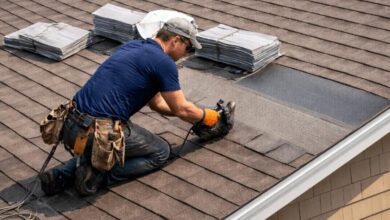
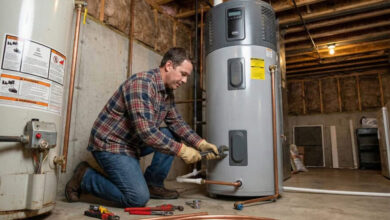
When Nomadic Real Estate reports 50000-plus work orders, that figure reflects repeated exposure to the everyday realities of rental maintenance. At that volume, an operation is likely to encounter everything from ordinary appliance repairs to urgent plumbing calls and seasonal heating or cooling problems. More importantly, handling substantial maintenance volume requires requests to be recorded, prioritized, assigned, followed up, and eventually closed.
Volume alone does not prove service quality. A large number of requests means little if jobs repeatedly go unresolved. The more meaningful question is whether an operation has a dependable process for moving each request from the initial report to a verified solution.
That distinction matters because tenants experience maintenance through outcomes, not internal activity. They care less about how many calls were made behind the scenes than whether the problem was actually fixed.
The Best Operations Run on Systems, Not Memory
Reliable property management rarely depends on one person remembering every detail. As portfolios become busier, informal methods become increasingly fragile.
A tenant may report a problem by phone, a contractor may send an estimate by email, and an owner may approve the repair through a separate message. Without a centralized process, information becomes scattered. Someone eventually has to reconstruct what happened, and that is where delays and mistakes often begin.
Strong operations bring maintenance requests, lease documents, payment records, inspection notes, and vendor communication into organized workflows. Responsibilities are clear, progress can be checked, and unresolved tasks remain visible.
Forbes Advisor similarly notes that property management involves interconnected responsibilities including inspections, repairs, emergency response, lease management, tenant relationships, and financial administration. Its guide to managing rental properties also highlights the value of automation and regular maintenance in keeping those responsibilities manageable.
Technology helps, but organization is the real advantage. Software cannot compensate for a weak process; it simply makes a good process easier to repeat.
Tenant Retention Is Built Through Everyday Reliability
Tenants rarely renew because of one spectacular interaction. Their opinion develops through months of smaller experiences.
Was the property ready when they moved in? Were questions answered clearly? Did someone respond when an appliance stopped working? Were repair appointments communicated properly? Did recurring problems actually get solved?
Those details create trust.
Forbes has also discussed how proactive maintenance and timely repairs can contribute to a better tenant experience and stronger retention. Its discussion of attracting and retaining quality tenants emphasizes responsive repairs, routine inspections, preventive maintenance, and transparent communication.
Retention has a financial dimension as well. Every unnecessary turnover can bring cleaning, repairs, marketing, screening, administrative work, and potential vacancy. A dependable tenant who is comfortable renewing can therefore be valuable beyond the rent collected during the current lease.
Efficient management recognizes that retention often begins long before a renewal notice is sent.
Preventive Maintenance Protects More Than the Budget
Waiting until something breaks may feel economical in the short term, but neglected maintenance has a habit of becoming more expensive.
A minor leak can eventually affect flooring, walls, or cabinetry. Equipment that misses routine servicing may fail sooner. Small exterior drainage problems can develop into much larger moisture concerns.
Preventive maintenance changes the approach from reacting to failures to watching for early warning signs. Inspection histories and repair records can reveal recurring issues, while scheduled servicing helps keep major systems from being forgotten.
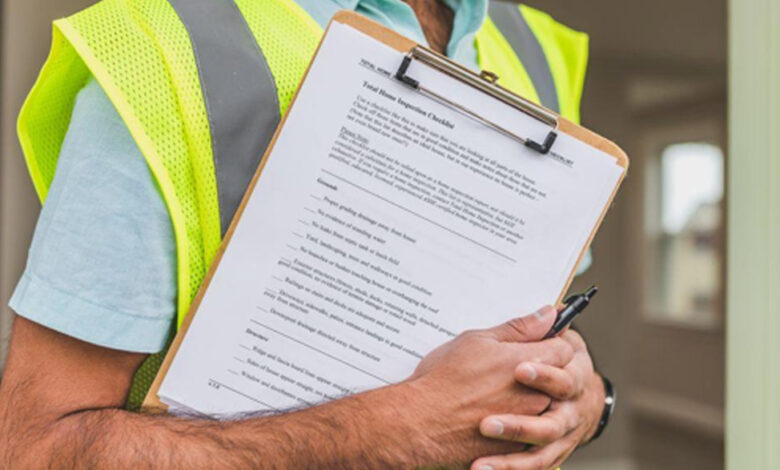
Documentation is particularly valuable. When managers can see what was repaired, when it was repaired, and whether the same problem has occurred before, maintenance decisions become more informed. A recurring repair may signal that replacement is more economical than another temporary fix.
That protects both operating costs and the long-term condition of the asset.
Communication Keeps Small Problems Small
Many property-management frustrations are not caused by the original problem but by uncertainty surrounding it.
A tenant can usually understand that a replacement part will take two days to arrive. What becomes frustrating is hearing nothing for two days and having no idea whether anyone is still working on the issue.
The same applies to owners. Clear updates allow them to understand what requires approval, what has already been resolved, and where expenses are going.
Effective communication does not mean sending constant messages. It means giving the right information at useful moments. Acknowledging the issue, setting expectations, reporting meaningful changes, and confirming completion can prevent repeated follow-ups and confusion.
That simple communication loop makes an operation feel controlled even when unexpected problems occur.
Price Alone Does Not Tell Owners What They Are Buying
Management fees are naturally part of the decision when comparing services, but the lowest percentage does not necessarily produce the lowest overall cost.
Owners also need to consider vacancy, maintenance oversight, tenant screening, rent collection, reporting, inspections, and renewal management. Weak performance in any of these areas can outweigh a modest saving on management fees.
The more useful comparison is how the operation works. Owners should understand how urgent repairs are escalated, how contractors are selected, how maintenance is documented, how property condition is monitored, and how they will receive financial and operational updates.
A transparent process provides far more insight than a polished service promise.
Quiet Consistency Is the Real Standard
Efficient property management is rarely dramatic. In fact, when it works properly, much of it goes unnoticed.
Payments arrive, records stay organized, repairs move forward, tenants receive updates, and preventive maintenance happens before equipment reaches a crisis point. Owners have visibility without needing to chase information, while tenants can enjoy their homes without every minor issue becoming an ordeal.
That quiet consistency is what separates reactive management from dependable operations. Strong property management is ultimately a combination of organized systems, responsive communication, maintenance discipline, and attention to the small details that affect both people and properties.
There may be nothing flashy about it, but that is precisely the point. The best-managed rentals often feel effortless because so much work is happening effectively behind the scenes.