Commercial Electrical Services Made Simple: A Complete Guide to Planning, Safety, Efficiency, and Long-Term Maintenance

Reliable electrical systems are essential for the daily operation of almost every commercial property. Businesses depend on electricity for lighting, computers, communication equipment, heating and cooling systems, machinery, security devices, refrigeration, and many other essential functions. When an electrical system is poorly designed or inadequately maintained, even a small problem can interrupt operations and create safety concerns. Professional planning and regular maintenance can help businesses reduce unexpected failures and maintain a dependable working environment. A commercial electrician can assist with installations, inspections, repairs, upgrades, and maintenance while considering the specific electrical demands of a commercial property. Understanding the main areas of commercial electrical work can help business owners and property managers make better decisions about their electrical infrastructure.
Understanding Commercial Electrical Systems
Commercial electrical systems are often more complex than those found in smaller residential properties because businesses may require larger power supplies, multiple circuits, specialized equipment, and more extensive distribution systems. Offices, retail buildings, warehouses, restaurants, workshops, and other commercial properties can have very different electrical requirements. A commercial electrician may work with electrical panels, wiring, lighting, outlets, equipment connections, emergency systems, and other components that support daily operations. The electrical system should be designed around the property’s actual use rather than relying on a standard approach. Understanding these requirements early can help businesses avoid overloaded circuits, insufficient capacity, and unnecessary future modifications.
Planning Electrical Installations
Electrical planning should begin before major construction or renovation work starts. Businesses need to identify how much power different areas and pieces of equipment will require and determine where outlets, lighting fixtures, switches, panels, and other electrical components should be placed. A commercial electrician can help evaluate current and anticipated electrical demands before developing an installation plan. Future expansion should also be considered because a system designed only for today’s requirements may become inadequate as the business grows. Proper planning can make future upgrades easier and reduce the need for disruptive changes. A well-organized electrical installation can also improve safety, accessibility, and overall system performance.
Evaluating Existing Electrical Infrastructure
Older commercial properties may contain outdated wiring, worn electrical components, insufficient outlets, or panels that are no longer appropriate for modern equipment. Before adding new systems, businesses should understand the condition and capacity of the existing electrical infrastructure. A commercial electrician can inspect panels, circuits, wiring, switches, outlets, and other components to identify potential concerns. The evaluation may reveal issues such as overloaded circuits, damaged connections, deteriorated wiring, or inadequate capacity. Addressing these problems before installing additional equipment can help prevent electrical failures and unnecessary expenses. Regular evaluations are particularly useful when a property is being renovated, expanded, or prepared for new business operations.
Prioritizing Electrical Safety
Electrical safety should remain a central consideration in every commercial environment. Faulty wiring, damaged outlets, overloaded circuits, poor connections, and improperly installed equipment can create serious risks. Employees, customers, contractors, and visitors may all be affected by electrical problems within a commercial property. A commercial electrician can inspect electrical systems and identify conditions that may require repair or improvement. Businesses should avoid allowing unqualified individuals to make electrical modifications because seemingly simple changes can create larger problems when performed incorrectly. Regular inspections, appropriate repairs, and safe operating practices can help protect people and property while supporting reliable business operations.
Designing Effective Lighting Systems
Lighting affects visibility, productivity, safety, customer experience, and the overall atmosphere of a commercial property. Different spaces require different lighting solutions depending on how they are used. Offices may need comfortable and consistent illumination for computer-based work, while retail areas may require lighting that highlights products and creates an appealing environment. Warehouses and workshops may need brighter task lighting to support safe movement and detailed work. A commercial electrician can install, repair, and upgrade lighting systems according to the requirements of individual areas. Properly planned lighting can also reduce unnecessary energy consumption and make maintenance easier over the long term.
Managing Electrical Loads
Commercial properties can operate a wide range of equipment that places significant demands on electrical systems. Computers, refrigeration equipment, machinery, heating and cooling systems, kitchen appliances, servers, and specialized devices may all require dedicated circuits or substantial electrical capacity. A commercial electrician can assess electrical loads and determine whether existing systems can safely support additional equipment. Businesses should consider both current requirements and future expansion when making electrical decisions. Adding equipment without evaluating available capacity can increase the risk of overloaded circuits and interruptions. Proper load management helps create a more stable system and allows businesses to plan electrical upgrades before capacity becomes a serious limitation.
Maintaining Electrical Panels
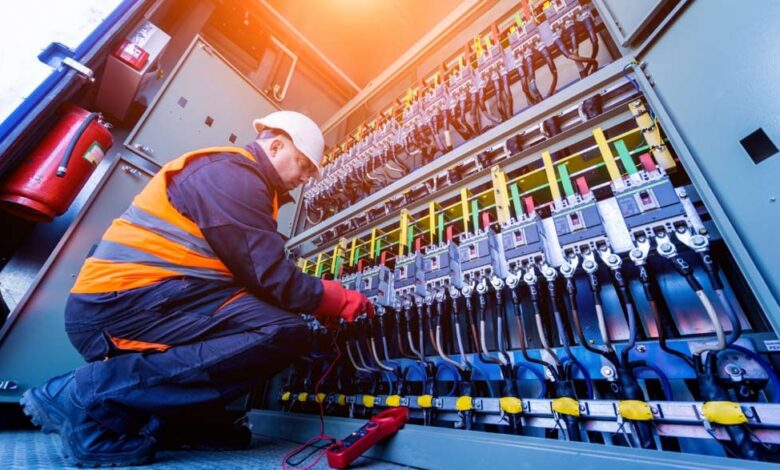
Electrical panels are critical because they distribute power to different circuits throughout a commercial property. Problems within a panel can affect multiple areas and may create serious safety concerns if they are not addressed. A commercial electrician can inspect panels, breakers, connections, and related components for signs of damage, overheating, wear, or other problems. Routine maintenance can help identify issues before they result in major failures. Businesses considering new equipment or renovations should also determine whether the existing panel has sufficient capacity. If an upgrade or replacement is required, the work should be carefully planned according to the property’s current and future electrical needs.
Supporting Business Equipment
Modern businesses rely heavily on electrical equipment to complete everyday tasks. Computers, printers, refrigeration units, manufacturing equipment, communication systems, security devices, and specialized machinery all depend on suitable electrical connections. A commercial electrician can help install circuits and connections that match the requirements of different types of equipment. Proper installation can reduce the likelihood of power-related problems and help equipment operate more consistently. Businesses should provide accurate information about equipment requirements before electrical work begins. Planning for current equipment as well as anticipated additions can help create a more flexible electrical system that supports business growth.
Handling Electrical Repairs
Electrical problems should be investigated promptly rather than ignored until they become emergencies. Repeated breaker trips, flickering lights, unusual sounds, burning smells, damaged outlets, sparks, and unexplained power interruptions can indicate underlying electrical problems. A commercial electrician can assess these symptoms and determine the appropriate repair. Businesses should avoid attempting complex electrical repairs without appropriate knowledge and qualifications. Delaying necessary repairs can allow minor problems to become more expensive or disruptive. Prompt professional attention can help protect electrical equipment, reduce downtime, and maintain a safer environment for employees and customers.
Preventive Electrical Maintenance
Preventive maintenance is an effective way to reduce unexpected electrical failures and identify potential problems before they interrupt business operations. Instead of waiting for equipment or wiring to fail, businesses can establish regular inspection and maintenance schedules. A commercial electrician can examine relevant components, identify signs of deterioration, test systems where appropriate, and recommend repairs or upgrades. The frequency of maintenance can depend on the age of the property, electrical demands, equipment, and operating conditions. Keeping electrical systems in good condition can also make future budgeting easier because businesses may be able to identify necessary work before it becomes an emergency. Preventive maintenance supports both safety and long-term reliability.
Improving Energy Efficiency
Energy efficiency is another important consideration for businesses seeking to control operating expenses and improve the performance of their electrical systems. Efficient lighting, controls, occupancy sensors, timers, and suitable equipment can reduce unnecessary electricity consumption depending on the property’s needs. A commercial electrician can evaluate existing electrical systems and identify opportunities for improvement. Businesses should consider the initial investment alongside potential long-term savings and maintenance benefits. Energy-efficient upgrades can also improve lighting quality and provide greater control over when and where electricity is used. The most appropriate solutions will depend on the building’s design, operating schedule, equipment, and overall electrical requirements.
Planning Emergency Electrical Support
Unexpected electrical failures can interrupt business operations and create safety concerns. Power loss, damaged wiring, electrical burning smells, sparks, or repeated circuit failures should receive prompt attention. A commercial electrician can investigate emergency situations and identify the cause of the problem before recommending appropriate repairs. Businesses should have a basic emergency response plan that explains what employees should do when a serious electrical issue occurs. Areas affected by electrical hazards may need to be restricted until the system has been inspected and made safe. Having a plan and knowing who to contact can help reduce confusion when an unexpected electrical problem occurs.
Choosing the Right Electrical Professional
Selecting an electrical professional should involve more than comparing prices. Businesses should consider experience, qualifications, insurance, applicable licensing, communication practices, references, and familiarity with similar commercial projects. A commercial electrician should be able to explain the proposed work, expected materials, estimated timeline, and project requirements clearly. Businesses should also request written documentation so that responsibilities and expectations are understood before construction or repair work begins. A professional who communicates clearly can make it easier to address questions and changes during a project. Taking time to evaluate qualifications can help businesses select an electrical professional who is appropriate for their specific requirements.
Understanding Codes and Regulations
Commercial electrical work may be subject to building codes, safety standards, inspection requirements, and other applicable regulations. These requirements can vary depending on the type of property and the scope of the electrical work. A commercial electrician should understand the requirements relevant to the project and complete installations or modifications appropriately. Businesses should clarify who is responsible for obtaining permits and arranging inspections before work begins. Proper documentation can also be useful for future repairs, renovations, property management, or inspections. Addressing regulatory requirements early can help prevent avoidable delays and support a more organized electrical project.
Preparing for Electrical Upgrades
Major electrical upgrades can temporarily affect normal business operations, so preparation is important. Some projects may require equipment to be moved, work areas to be restricted, or electricity to be interrupted during specific stages. A commercial electrician can explain the expected process and identify areas that may be affected. Businesses can then schedule work during less disruptive periods when possible and inform employees about temporary restrictions. Sensitive equipment may also require appropriate protection during electrical work. Careful preparation can help reduce operational disruption while allowing professionals to complete necessary upgrades safely and efficiently.
Keeping Electrical Records
Maintaining organized electrical records can make future maintenance and planning easier. Businesses should keep documentation related to installations, inspections, repairs, upgrades, equipment connections, permits, warranties, and major modifications. A commercial electrician may provide relevant documentation after completing a project. These records can help future professionals understand the property’s electrical history and identify previous changes. They can also make it easier to plan additional upgrades because businesses can review existing information before making decisions. Good recordkeeping is especially valuable for larger commercial properties with complex electrical systems and multiple pieces of equipment.
Creating a Long-Term Maintenance Strategy
Electrical maintenance should be viewed as an ongoing responsibility rather than a task that only occurs after a failure. Businesses can develop maintenance schedules based on equipment requirements, property conditions, system age, and operating demands. A commercial electrician can help identify which components require regular inspection and which systems may benefit from periodic testing or servicing. Long-term planning can also help businesses budget for future repairs and upgrades instead of relying entirely on emergency spending. Keeping electrical infrastructure properly maintained can support safer operations and reduce unexpected interruptions. A proactive approach also makes it easier to identify opportunities for modernization as technology and business requirements change.
Conclusion
Commercial electrical systems support many of the essential activities that allow businesses to operate efficiently and safely. From electrical installations and lighting to equipment connections, preventive maintenance, emergency repairs, energy improvements, and system upgrades, every aspect requires careful planning and appropriate professional knowledge. A commercial electrician can help businesses evaluate existing infrastructure, identify potential problems, manage electrical loads, and develop practical solutions for current and future needs. Businesses should consider experience, qualifications, communication, documentation, safety practices, and applicable requirements when selecting an electrical professional. Regular maintenance and timely upgrades can also help reduce unexpected failures and support reliable electrical performance. By treating electrical infrastructure as an important long-term investment, businesses can create safer, more efficient, and better-prepared environments for employees, customers, equipment, and everyday operations.