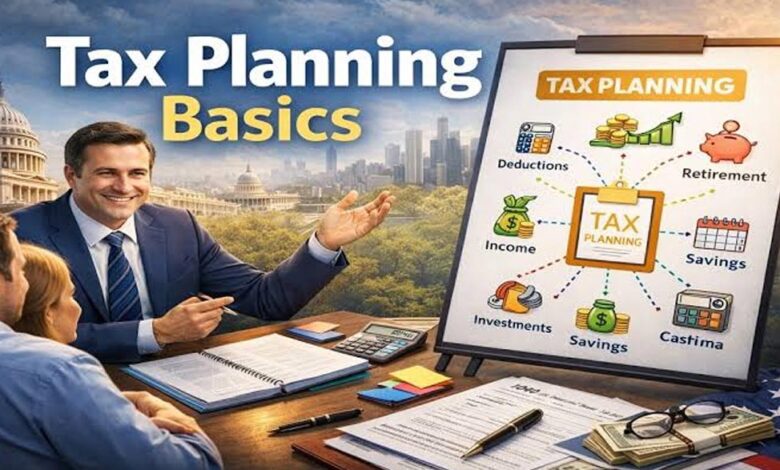

Managing taxes is an important part of personal and business financial planning, but the process can become complicated when income, expenses, investments, deductions, and changing financial circumstances all have to be considered together. Many people wait until the end of a tax year to think about their obligations, only to discover that they could have prepared more effectively throughout the year. Working with a tax planner can help individuals and business owners organize relevant financial information, understand potential tax obligations, and develop a structured approach to tax-related decisions. Instead of treating taxes as a once-a-year task, proper planning can make them part of a broader financial management strategy.
Understanding the Purpose of Tax Planning
Tax planning involves reviewing financial circumstances in advance and considering how different income sources, expenses, investments, and financial decisions may affect tax obligations. The purpose is not simply to calculate what is owed after the year has ended, but to organize finances in a way that supports informed and lawful decisions throughout the year. A tax planner can review available information and help identify areas that may require additional attention before important financial deadlines arrive. This proactive approach can make tax preparation more organized and reduce the possibility of last-minute surprises.Effective planning also requires understanding that tax situations differ from one person or business to another. Someone with employment income may have very different considerations from a business owner, investor, contractor, or person with multiple income sources. Changes in employment, property ownership, investments, family circumstances, or business activities can also affect the overall picture. Reviewing these factors regularly allows taxpayers to respond to changes rather than relying entirely on information from previous years.
Why Tax Planning Should Begin Early
Waiting until the end of a tax year can make it more difficult to make useful financial decisions. Once the year has already ended, many opportunities for planning may no longer be available because certain actions need to occur during the relevant tax period. Starting earlier provides more time to review income, track expenses, organize documentation, and consider financial decisions before deadlines become urgent. Early preparation can also make it easier to identify missing records or inconsistencies in financial information.A tax planner can help establish a timeline for reviewing financial information throughout the year. Instead of collecting everything at the last minute, records can be maintained consistently as transactions occur. This approach may make the final preparation process more efficient and reduce unnecessary stress. It also provides an opportunity to discuss significant financial changes before they create unexpected tax consequences.
Organizing Income and Financial Records
Accurate recordkeeping is one of the foundations of effective tax management. Income may come from employment, self-employment, business operations, investments, rental activities, or other sources, depending on the individual’s circumstances. Keeping clear records of these amounts makes it easier to understand the overall financial position and prepare the necessary documentation when tax reporting is required. Organized records can also make it easier to identify unusual transactions that deserve additional review.Expenses and supporting documentation are equally important. Receipts, invoices, bank records, investment statements, and other financial documents should be stored in a consistent and accessible system. A tax planner can help identify which categories of information should be monitored based on a person’s particular financial situation. Good organization reduces the likelihood of overlooking relevant information and can make communication with accounting or tax professionals much more efficient.
Understanding Deductions and Tax Benefits
Tax systems often provide deductions, credits, allowances, or other forms of tax relief subject to specific eligibility requirements. However, determining whether a particular benefit applies can depend on detailed rules and individual circumstances. Simply assuming that an expense qualifies can create problems if the relevant requirements have not been met. Tax planning therefore involves reviewing available information carefully rather than making assumptions based on general advice.A tax planner can help taxpayers understand which areas may require further investigation and what documentation may be needed to support a claim. This does not mean every taxpayer will qualify for the same benefits. Instead, the goal is to create a structured process for reviewing legitimate opportunities based on the taxpayer’s actual circumstances. Keeping documentation organized throughout the year can also make it easier to support eligible claims when preparing a return.
Planning for Self-Employment Income
People who earn income through self-employment often have additional financial responsibilities compared with traditional employees. They may need to monitor business revenue, operating expenses, equipment purchases, professional services, travel-related costs, and other transactions depending on the nature of their work. Separating business and personal finances can make recordkeeping much easier and provide a clearer picture of business performance.A tax planner can assist with developing systems for tracking relevant transactions and preparing for potential tax obligations. Regular reviews may also help self-employed individuals avoid discovering a large unexpected liability only when a filing deadline approaches. By monitoring income and expenses throughout the year, they can gain a clearer understanding of their financial position and make decisions with better information.
Managing Business Tax Responsibilities
Business owners often face more complex tax considerations because their financial activities may involve employees, suppliers, inventory, equipment, customers, investments, and multiple forms of revenue. The structure of a business can also affect how income and expenses are reported. Because of these variables, business tax planning should be integrated with broader financial management rather than treated as an isolated administrative task.A tax planner can help business owners organize financial information, monitor important deadlines, and identify questions that should be discussed with qualified tax professionals. Regular reviews may also help identify changes in the business that require additional attention. For example, significant changes in revenue, staffing, equipment purchases, or business structure may affect the company’s reporting responsibilities. Maintaining accurate records throughout the year makes it easier to respond to these changes.
Preparing for Major Financial Changes
Major financial events can have tax implications, which is why they should be considered as part of an overall planning process. Selling an investment, purchasing property, starting a business, changing employment, receiving a substantial payment, or making significant investment decisions can all change an individual’s financial circumstances. Understanding the potential consequences before completing a transaction can provide more time to consider available options.A tax planner can help identify questions that should be addressed before major financial decisions are finalized. The appropriate approach depends on the taxpayer’s circumstances and the rules applicable to the transaction. Early discussion is often more useful than trying to resolve an unexpected issue after the transaction has already occurred. For complex matters, additional advice from a qualified tax or financial professional may also be appropriate.
Creating a Reliable Tax Calendar
Deadlines are an important part of effective tax management. Missing a filing or payment deadline can create unnecessary complications, so taxpayers should maintain a clear calendar of relevant dates. The exact deadlines can vary depending on the taxpayer’s situation and applicable tax rules. Business owners and individuals with multiple financial obligations may have several dates to monitor during the year.A tax planner can help taxpayers establish a practical schedule for gathering documents, reviewing financial information, preparing filings, and addressing expected payments. A calendar does more than remind someone about a deadline; it can encourage earlier preparation. By spreading administrative tasks across the year, taxpayers may avoid the pressure associated with trying to organize everything immediately before a filing date.
Using Technology for Better Recordkeeping
Modern financial software can make tax-related organization easier by helping users track income, expenses, invoices, receipts, and account activity. Digital systems can reduce the amount of manual paperwork involved and make it easier to locate documents when they are needed. However, technology is most useful when it is combined with consistent financial habits and accurate data entry.A tax planner may recommend recordkeeping methods based on the complexity of the individual’s or business’s finances. Some people may need only a straightforward system, while businesses with many transactions may require more advanced accounting software. Regardless of the technology used, records should be reviewed regularly to identify errors, duplicate entries, missing transactions, or unusual activity.
Reviewing Your Financial Situation Regularly
Tax planning should not be treated as a one-time conversation. Financial circumstances can change throughout the year, and a strategy that made sense several months ago may need to be reconsidered after a significant change in income or expenses. Regular reviews provide an opportunity to update records, assess new information, and address potential issues before they become more difficult to manage.A tax planner can provide structure for these periodic reviews by helping organize questions and identify areas that deserve attention. Regular communication can be particularly valuable for business owners and individuals whose financial situations change frequently. Rather than waiting until the end of the year, taxpayers can use periodic reviews to maintain a clearer understanding of their tax position.
Avoiding Common Tax Planning Mistakes
One common mistake is failing to keep adequate records. Without reliable documentation, it can become difficult to verify income, expenses, or other relevant financial information. Another mistake is relying on outdated assumptions about tax rules or assuming that a strategy used in a previous year will automatically apply to the current situation. Tax rules and personal circumstances can change, so financial decisions should be reviewed based on current information.Another frequent problem is waiting until the last possible moment to address tax responsibilities. Last-minute preparation can increase stress and make it harder to locate missing documents or correct errors. A tax planner can help create a more structured process, but taxpayers still need to maintain accurate records and provide complete information. Good planning works best when both organization and communication are maintained throughout the year.
The Importance of Professional Guidance
Tax matters can involve detailed rules, documentation requirements, deadlines, and individual circumstances. While basic financial organization can be handled independently, complicated situations may benefit from professional guidance. A qualified professional can review the specific facts of a situation and explain which issues may require further attention. This is particularly relevant when substantial transactions, business activities, investments, or unusual income sources are involved.Using a tax planner does not eliminate the taxpayer’s responsibility to provide accurate information. Instead, professional planning can provide a framework for organizing financial details and identifying areas where specialized advice may be needed. Taxpayers should always verify advice against the rules that apply to their circumstances and use appropriately qualified professionals for matters requiring specialized expertise.
Building Better Long-Term Financial Habits
Good tax planning can contribute to better overall financial organization. Keeping accurate records, reviewing income and expenses, monitoring deadlines, and preparing for major transactions are useful habits beyond tax season. These practices can provide a clearer picture of financial health and support better decision-making in other areas of personal or business finance.A tax planner can also encourage taxpayers to think beyond a single filing deadline. Instead of focusing only on the amount owed or refunded at the end of a year, taxpayers can consider how financial decisions made throughout the year affect their broader financial position. This long-term perspective can encourage more consistent recordkeeping and better communication with financial professionals.
Preparing for the Next Tax Year
The end of a tax year can be a useful time to review what worked well and what could be improved. Taxpayers can identify missing records, administrative difficulties, unexpected transactions, and areas where they would benefit from earlier preparation. Making these observations while the previous year’s information is still fresh can help create a better process for the next cycle.Working with a tax planner can provide an organized framework for carrying these lessons forward. Instead of starting from scratch every year, taxpayers can establish repeatable systems for recordkeeping, document collection, deadline management, and financial review. Over time, these systems can make tax administration more predictable and less disruptive to everyday financial activities.
Final Thoughts
Effective tax management is largely about preparation, organization, and informed decision-making. Whether someone earns employment income, operates a business, manages investments, or has a combination of financial activities, maintaining accurate records and reviewing financial circumstances regularly can make tax responsibilities easier to manage. A tax planner can help create a structured approach that focuses on preparation throughout the year rather than relying entirely on last-minute tax-season work.The most useful planning strategy depends on each taxpayer’s individual circumstances, financial activities, and applicable rules. Keeping records current, monitoring important deadlines, reviewing major financial decisions in advance, and seeking qualified professional guidance when necessary can all contribute to a more organized process. By treating tax planning as an ongoing part of financial management, individuals and businesses can approach their responsibilities with better preparation and a clearer understanding of the information they need to provide.