Essential Defensible Space Strategies for Protecting Homes, Managing Vegetation, and Improving Property Safety

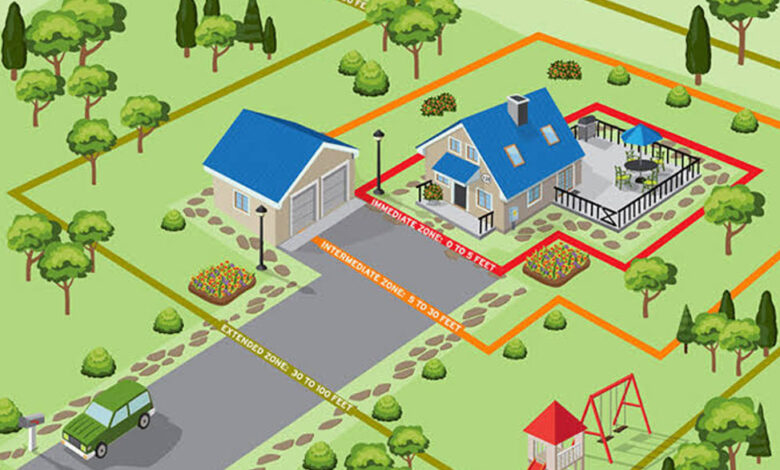
Protecting a home from wildfire and other outdoor hazards requires attention to more than the building itself. The surrounding landscape, vegetation, trees, debris, outdoor structures, and stored materials can all influence how easily fire may approach a structure. A well-maintained defensible space creates a managed area around a property where combustible vegetation and materials are reduced, separated, or maintained appropriately. This approach can help limit continuous fuel pathways and provide a more organized environment for emergency response. Although no landscaping strategy can guarantee that a structure will remain safe during an extreme wildfire, thoughtful property maintenance can form an important part of a broader preparedness plan.
Understanding the Purpose of Property Protection
The main purpose of defensible space is to manage the area surrounding a structure so that vegetation and other combustible materials are not unnecessarily concentrated near the building. Wildfires can spread through grass, shrubs, trees, fallen branches, dry leaves, and other fuels, while embers can travel considerable distances and settle on roofs, decks, gutters, and other vulnerable locations. Managing these materials can reduce some potential pathways toward a home. Property owners should consider the building’s construction, surrounding vegetation, terrain, weather conditions, and applicable safety requirements when developing a maintenance plan. Professional advice can also be useful when a property has steep slopes, mature trees, dense vegetation, or complicated access conditions.
Evaluating Vegetation Around the Property
Vegetation is an important consideration because plants can become combustible when they are dry or unhealthy. Grass, shrubs, trees, vines, fallen branches, and dead leaves can create connected fuel when they grow or accumulate close together. A defensible space assessment should consider the type, condition, density, height, and location of vegetation around the structure. Healthy, well-maintained plants may be managed through pruning and spacing rather than complete removal. Property owners should also consider how large plants will become as they mature because landscaping that appears adequately spaced today may become densely connected over time. Regular evaluation helps keep the landscape manageable as conditions change.
Creating Separation Between Combustible Materials
Connected vegetation can provide a continuous pathway through which fire may move from one fuel source to another. Creating separation between trees, shrubs, grass, stored materials, and structures can help interrupt these pathways. The appropriate arrangement depends on vegetation type, terrain, weather, and property characteristics. A defensible space plan should therefore focus on thoughtful spacing rather than applying the same measurements to every property. Dead vegetation should be removed, dense areas should be managed, and combustible objects should be positioned thoughtfully. Maintaining separation is an ongoing responsibility because plants grow and organic debris naturally accumulates throughout the year.
Managing Grass and Ground Vegetation
Grass and low-growing vegetation can become dry and combustible during periods of hot or dry weather. Tall grass, dead stems, fallen leaves, and accumulated plant material can create additional fuel close to structures. A defensible space maintenance routine should include regular mowing, trimming, and removal of dead ground vegetation where appropriate. Particular attention should be given to areas beneath trees and around shrubs because dry grass can create a connection between lower and higher vegetation. Healthy landscaping should still be maintained according to the needs of the plants and local environmental conditions. Good ground-level management can reduce unnecessary accumulation while keeping the property attractive.
Pruning Trees and Removing Dead Branches
Trees can provide shade and beauty, but dead limbs and dense branches may create additional combustible material. Regular tree maintenance can help remove damaged, dead, or excessively low branches when appropriate. A defensible space strategy may include evaluating branches that extend toward roofs, decks, chimneys, fences, and other structures. Tree pruning should be performed carefully because improper cuts can damage healthy trees and create long-term problems. Large trees, heavy branches, or trees near power lines can present significant safety risks and may require qualified professional assistance. Keeping trees healthy and appropriately maintained can support overall property management while reducing unnecessary combustible material.
Removing Leaves, Needles, and Other Debris
Organic debris can accumulate quickly around homes, particularly beneath trees and near fences, decks, walls, and landscaping features. Dry leaves, pine needles, twigs, and fallen branches can become combustible if they remain in place during hazardous conditions. A defensible space maintenance routine should include regular removal of this material from areas where it could contribute to fuel accumulation. Gutters, roof valleys, corners, and spaces beneath decks deserve particular attention because debris can collect in these locations. Removing material promptly is generally easier than allowing several months of buildup to accumulate. Proper disposal should also be considered so that removed debris does not simply create another concentrated fuel source.
Protecting the Immediate Area Around the Home
The area immediately surrounding a structure deserves careful attention because combustible materials located next to walls, windows, doors, decks, and vents may be exposed to flames or embers. A defensible space approach should include regular inspection of these areas for leaves, dry vegetation, wood piles, cardboard, outdoor furniture, and other combustible materials. Gaps, damaged vents, deteriorated roofing components, and other structural weaknesses should also be identified as part of broader property maintenance. Keeping the immediate surroundings clean and organized can reduce unnecessary fuel accumulation. Homeowners should follow applicable fire-safety guidance when deciding how materials should be stored or maintained.
Maintaining Roofs and Gutters
Roofs and gutters can collect leaves, pine needles, twigs, and other organic debris that may become dry and combustible. Regular roof and gutter maintenance can therefore complement vegetation management around the property. A defensible space plan should consider elevated surfaces as well as ground-level landscaping because embers can land on roofs and accumulate in gutters. Gutters should be cleaned as necessary, and roofs should be inspected for debris or damaged components. Roof maintenance can involve fall hazards, so appropriate safety procedures should be followed. Homeowners who are uncomfortable working at height should consider qualified assistance rather than taking unnecessary risks.
Managing Decks, Fences, and Outdoor Structures
Outdoor structures can contain combustible materials and may collect leaves or vegetation over time. Decks, fences, sheds, pergolas, stairs, and other features should therefore be included in regular property inspections. A defensible space plan can involve removing organic debris from around these structures and maintaining vegetation so that it does not form unnecessary continuous fuel pathways. Fences deserve special attention when they connect directly to a building because a combustible fence may create a potential route toward the structure. Outdoor structures should also be inspected for damaged materials and areas where debris accumulates. Good maintenance can improve both general property condition and emergency preparedness.
Storing Firewood and Other Combustible Materials
Firewood, lumber, cardboard, fuel containers, and other combustible materials should be stored thoughtfully rather than placed directly against a home. Large quantities of combustible material near structures can create additional concerns during a fire. A defensible space approach includes reviewing where these materials are stored and whether they can be relocated to a more appropriate area. Storage areas should remain organized and should not become surrounded by dry vegetation or accumulated debris. Outdoor equipment and furniture should also be considered when evaluating combustible items. Reducing unnecessary fuel near the structure can contribute to a more organized and prepared property.
Choosing and Maintaining Landscaping
Landscaping should be selected and maintained according to the conditions of the property. There is no single plant that can guarantee protection from wildfire, and even plants with relatively high moisture content can become combustible under extreme conditions. A defensible space plan should therefore emphasize plant health, spacing, pruning, irrigation where appropriate, and removal of dead material. Plants should not be allowed to become excessively dense or grow directly against vulnerable parts of a structure without considering potential risks. Regular trimming can also improve visibility and access. A well-maintained landscape can provide visual appeal while supporting broader property management goals.
Considering Terrain and Slope
Terrain can influence how fire moves across a property. Fire behavior may differ on slopes, and vegetation management needs can vary depending on elevation changes, wind exposure, drainage, and surrounding fuel conditions. A defensible space assessment should therefore consider the entire landscape rather than focusing solely on a fixed distance from the building. Properties with steep slopes or dense vegetation may require specialized evaluation. Retaining walls, terraces, pathways, and other landscape features can also affect how vegetation is arranged. Professional guidance may be particularly valuable when terrain creates complicated maintenance or access challenges.
Keeping Emergency Access Clear
Clear access routes can support emergency preparedness and routine property maintenance. Driveways, gates, pathways, and areas surrounding structures should be kept free from unnecessary obstructions, fallen branches, overgrown vegetation, and stored materials. A defensible space plan should include access considerations so that emergency personnel can approach structures and move around the property when necessary. Large trees that interfere with access should be evaluated, and gates should remain usable. Address visibility and access requirements should also be followed where applicable. Keeping routes clear can benefit emergency response while making everyday landscaping and maintenance tasks easier.
Conducting Regular Property Inspections
A property that is well maintained today can develop new hazards as vegetation grows and debris accumulates. Regular inspections are therefore necessary to keep the surrounding area in suitable condition. A defensible space inspection should look for dead plants, overgrown shrubs, low branches, fallen leaves, dry grass, combustible storage, blocked access, and debris near structures. Inspections may need to occur more frequently during periods of rapid vegetation growth or unusually dry weather. A simple checklist can help homeowners track completed tasks and identify areas that repeatedly require attention. Consistent inspections are generally more effective than waiting until maintenance becomes urgent.
Working Safely During Maintenance
Vegetation management can involve chainsaws, ladders, trimmers, heavy branches, power equipment, and other potential hazards. Property owners should use appropriate protective equipment and safe working practices when performing maintenance. A defensible space project should never be approached in a way that creates unnecessary risks for people or property. Large trees, steep terrain, electrical lines, unstable branches, and difficult-to-reach areas may require trained professionals. Work should be planned carefully, particularly when multiple people are involved. Safety should remain a priority throughout the process rather than being treated as an afterthought.
Developing a Year-Round Maintenance Routine
Wildfire preparedness and property maintenance should not be treated as a single annual cleanup project. Vegetation grows, branches fall, leaves accumulate, and stored materials can gradually become disorganized. A defensible space routine should include recurring activities such as pruning, mowing, debris removal, gutter cleaning, roof inspection, and access maintenance. Seasonal inspections can help identify changes before they become significant concerns. Breaking larger projects into smaller tasks can make the work more manageable. Maintaining the property throughout the year can also improve its general appearance and make it easier to identify structural or landscaping problems.
Understanding the Role of Professional Assistance
Some properties have conditions that make vegetation management more complicated. Mature trees, steep slopes, dense landscaping, extensive outbuildings, difficult access, and structural vulnerabilities may require specialized attention. A defensible space assessment performed by a qualified professional can help identify areas that deserve priority and may provide recommendations for pruning, removal, spacing, or maintenance. Tree work can also require specialized equipment and knowledge, particularly when large branches or hazardous trees are involved. Property owners should verify qualifications and understand the proposed work before hiring a service. Professional input can be valuable when ordinary yard maintenance is not enough to address the property’s specific conditions.
Combining Landscaping With Structural Maintenance
Vegetation management is only one component of overall wildfire preparedness. Building materials, roof condition, vents, windows, decks, gutters, fences, and other structural elements can also influence how a property responds to fire and airborne embers. A defensible space strategy should therefore be considered alongside appropriate building maintenance and emergency planning. Damaged roofing, broken vents, deteriorated siding, and other vulnerabilities should not be ignored simply because the surrounding vegetation is well maintained. Homeowners can benefit from reviewing both the landscape and the structure when planning long-term safety improvements. A comprehensive approach can address multiple potential vulnerabilities rather than focusing on one area alone.
Understanding the Limits of Vegetation Management
No landscaping strategy can make a property completely immune to wildfire. Fire behavior can be affected by wind, heat, drought, terrain, embers, surrounding vegetation, and many other factors beyond an individual homeowner’s control. A defensible space plan should therefore be understood as one component of broader preparedness rather than a guarantee of protection. Emergency planning, evacuation readiness, structural maintenance, awareness of official warnings, and appropriate construction practices can all play important roles. Understanding these limitations helps property owners develop realistic expectations. Responsible maintenance can reduce certain potential hazards while still recognizing that extreme conditions can overwhelm even well-prepared properties.
Keeping Records of Maintenance
Maintaining simple records can make long-term property management easier. Homeowners can record when trees were pruned, debris was removed, gutters were cleaned, vegetation was trimmed, and other important tasks were completed. A defensible space maintenance record can also help identify recurring problems and determine which areas require more frequent attention. Photographs can provide useful comparisons over time, especially when vegetation grows quickly. Records may also help when communicating with professional contractors about previous work. Organized documentation turns property maintenance into an ongoing process that can be monitored rather than a collection of isolated cleanup projects.
Conclusion
Protecting a home from wildfire-related hazards requires consistent attention to the property surrounding the structure as well as the building itself. Vegetation, dry grass, fallen leaves, dead branches, stored materials, decks, fences, roofs, and gutters can all become relevant when conditions support rapid fire spread or ember exposure. A carefully managed defensible space can help reduce continuous fuel pathways and keep the area around a structure more organized and accessible. Regular pruning, mowing, debris removal, structural inspections, safe storage, and seasonal maintenance can all contribute to broader preparedness. Because every property has different vegetation, terrain, construction, and environmental conditions, maintenance decisions should be based on the specific characteristics of the site and applicable safety guidance. With consistent attention and appropriate professional assistance when needed, property owners can make meaningful improvements to their overall preparedness while maintaining a healthy and attractive landscape.