Complete Guide to Mold Problems, Inspection, Prevention, and Remediation Solutions

Mold can become a serious property concern when moisture remains present for an extended period of time. Leaking pipes, roof damage, condensation, flooding, poor ventilation, and high indoor humidity can all create conditions where mold may develop on different building materials. While some growth is easy to see, other problems can remain hidden behind walls, beneath flooring, inside cabinets, around plumbing fixtures, or within ceiling spaces. Early awareness can make it easier to identify moisture problems before they become more extensive. A professional mold inspection can help identify visible and suspected areas of growth while also drawing attention to possible moisture sources. Understanding how mold develops, recognizing warning signs, and maintaining a dry indoor environment are important steps for protecting a property and preventing recurring problems.
Understanding How Mold Develops
Mold is a type of fungus that can grow when moisture and suitable organic materials are present. Common materials that may support growth include wood, drywall, paper, fabric, carpet, insulation, and other porous surfaces. Mold spores are naturally present in the environment, so preventing every spore from entering a building is not realistic. The more practical goal is to control the conditions that allow spores to grow and multiply. Persistent moisture is one of the most important factors because damp materials can provide an environment where fungal growth develops over time. A mold inspection can be useful when there are concerns about unexplained moisture, visible discoloration, recurring odors, or previous water damage that may have affected building materials.
Common Signs of a Mold Problem
Visible discoloration is one of the most recognizable signs of possible mold growth, but it is not the only warning sign that property owners should consider. Mold may appear as dark, green, gray, white, or brown patches depending on the species and surface where it is growing. A persistent musty odor can also suggest that moisture or fungal growth may be present in an area that is not immediately visible. Peeling paint, bubbling drywall, warped flooring, damp carpeting, water stains, and recurring condensation can provide additional clues. These signs are especially important when they continue to appear after ordinary cleaning or when they occur near a known leak. When several warning signs are present, mold inspection can help identify areas that deserve closer examination and determine whether further assessment may be appropriate.
The Connection Between Moisture and Mold
Moisture control is one of the most important parts of preventing mold growth inside a building. Even a relatively small leak can create suitable conditions if it remains unnoticed behind a cabinet, beneath flooring, or inside a wall cavity. Plumbing connections under sinks, around bathrooms, near appliances, and within walls can sometimes leak without producing obvious pools of water. Condensation can also create ongoing dampness around windows, pipes, air-conditioning equipment, and poorly ventilated rooms. Promptly repairing leaks, drying wet materials, improving ventilation, and controlling indoor humidity can reduce conditions that support growth. If a property has experienced repeated moisture problems, mold inspection may help identify areas where previous water exposure could have resulted in hidden concerns.
Areas Where Mold Can Hide
Mold does not always develop where it can be easily seen. Hidden growth may occur behind furniture, underneath carpets, beneath flooring, inside cabinets, behind drywall, around plumbing penetrations, or within ceiling spaces. Areas near heating and cooling equipment can also become vulnerable when condensation or drainage problems introduce moisture. Sometimes the only visible evidence is a small stain or an unusual odor coming from a particular room. Water damage that appears to have dried may still leave moisture trapped inside porous materials. Because concealed areas can be difficult to evaluate through ordinary visual observation, mold inspection can be particularly useful when there is a history of leaks, flooding, or unexplained dampness.
Why Professional Assessment Can Be Valuable
A professional assessment provides a structured way to investigate suspected mold and moisture problems. Depending on the circumstances, an inspector may examine visible areas, look for water stains, evaluate signs of moisture intrusion, inspect ventilation conditions, and consider the property’s history of leaks or water damage. Moisture-detection equipment may sometimes be used to locate areas that appear dry on the surface but may contain elevated moisture. The inspection approach can vary according to the size of the property, the suspected source of moisture, and the type of concern being investigated. Testing may sometimes be considered, but visible growth and moisture evidence can already provide important information. The purpose of mold inspection is generally to understand the condition of the property and identify areas that may require additional attention.
Mold and Indoor Air Conditions
Mold growth can affect the overall indoor environment, particularly when affected materials become extensive or are disturbed. Particles can move through indoor air and may be transported between areas through normal air movement, ventilation systems, or activities that disturb contaminated materials. This is one reason why simply covering visible growth with paint or another coating may not address the underlying issue. The moisture source should be identified and corrected so that conditions supporting growth are reduced. Proper ventilation and reasonable humidity control can also contribute to a less favorable environment for mold development. When there are signs of widespread or recurring growth, mold inspection can provide useful information about potentially affected areas and possible moisture sources.
Water Damage and Mold Growth
Water damage can create favorable conditions for mold when wet materials are not dried promptly and thoroughly. Flooding, leaking roofs, burst pipes, overflowing fixtures, and appliance failures can introduce substantial amounts of water into a building. Porous materials such as drywall, wood, insulation, and carpeting can absorb moisture and remain damp even after the surface feels relatively dry. If moisture becomes trapped inside these materials, fungal growth may develop without immediately becoming visible. Quick water removal, drying, ventilation, and appropriate repairs are therefore important after a significant water event. A mold inspection may be appropriate after serious water damage, particularly when drying was delayed or when musty odors, stains, or recurring dampness remain after the area appears to have dried.
Preventing Mold in Moisture-Prone Rooms
Bathrooms, kitchens, laundry areas, basements, and other moisture-prone spaces require particular attention because they regularly experience water and humidity. Exhaust fans can help remove moisture from bathrooms and kitchens, while prompt repair of leaking fixtures can prevent water from accumulating around cabinets and walls. Wet surfaces should be dried when practical, and areas around sinks, toilets, showers, and appliances should be checked periodically for signs of leakage. Poor ventilation can allow humidity to remain elevated for long periods, increasing the possibility of moisture-related problems. Keeping these areas dry and properly ventilated can significantly reduce conditions that support mold growth. When growth repeatedly returns despite routine cleaning, mold inspection can help determine whether an underlying moisture source is contributing to the problem.
Dealing With Persistent Musty Odors
A musty or earthy smell can sometimes indicate hidden moisture or fungal growth, particularly when the odor remains after normal cleaning and ventilation. However, an odor alone cannot determine where the source is located or how extensive a potential problem may be. The smell could originate from damp carpeting, wall cavities, storage spaces, crawl areas, ventilation equipment, or other locations where moisture has accumulated. Masking the smell with air fresheners does not address the underlying cause and may make it harder to recognize whether the odor is continuing. Identifying and correcting the moisture source is generally more useful than simply covering the smell. If the source remains unexplained, mold inspection can help narrow down areas that may require closer evaluation.
Mold in Kitchens and Around Appliances
Kitchens can develop moisture problems because of cooking steam, plumbing connections, spills, and leaks from appliances. Areas underneath sinks should be checked periodically because small leaks may remain unnoticed until cabinets begin to swell or develop discoloration. Dishwashers, refrigerators with water connections, and other appliances can also develop leaking hoses or fittings that introduce moisture into nearby materials. Using suitable ventilation during cooking can help reduce humidity, while prompt cleanup of spills can prevent water from remaining on porous surfaces. Cabinets, floors, and walls near plumbing should be monitored for unusual odors, stains, swelling, or dampness. If repeated water problems occur around appliances or plumbing, mold inspection can provide additional information about whether moisture has affected hidden areas.
Mold Concerns in Bathrooms
Bathrooms provide many of the conditions that can support mold because showers and baths generate steam and condensation. Poor ventilation can allow this moisture to remain on walls, ceilings, grout, and other surfaces for extended periods. Regular use of exhaust ventilation, appropriate cleaning, prompt repair of plumbing leaks, and attention to damaged caulking can help reduce moisture accumulation. Corners, ceiling areas, grout lines, shower curtains, and areas around fixtures should be checked for recurring discoloration or dampness. If mold continues returning after surface cleaning, the underlying problem may involve ventilation, hidden moisture, or a persistent leak rather than the visible surface alone. A mold inspection can help determine whether recurring bathroom growth is connected to a broader moisture issue.
What Happens During a Mold Inspection?
The inspection process can vary depending on the property and the reason for the assessment, but it generally begins with gathering information about visible concerns, previous water damage, leaks, odors, and other relevant conditions. The inspector may examine walls, ceilings, floors, plumbing areas, ventilation spaces, and other locations where moisture-related problems are suspected. Visible growth and water damage may be documented, while moisture-detection equipment can sometimes help identify areas that require additional investigation. The inspector may also consider whether airflow, condensation, or building conditions could be contributing to recurring moisture. Depending on the circumstances, recommendations may be provided for correcting moisture sources, removing affected materials, or seeking additional remediation services. A thorough mold inspection should focus on understanding the condition of the property rather than simply identifying visible discoloration.
When Professional Remediation May Be Needed
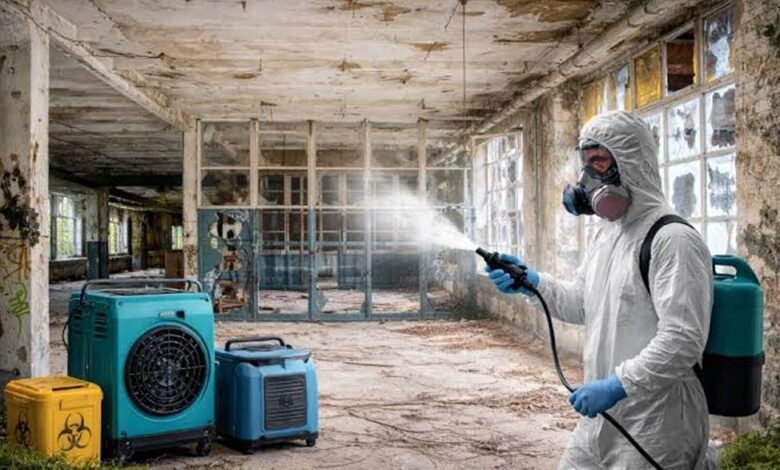
The appropriate response to mold depends on the size of the affected area, the materials involved, the source of moisture, and whether the growth is recurring. Small surface areas may sometimes be manageable using appropriate cleaning methods, but extensive or repeated growth can require professional remediation. Porous materials that have been heavily affected may not always be suitable for simple surface cleaning and could require removal depending on their condition. Most importantly, the source of moisture must be corrected because cleaning without addressing the underlying cause can allow the problem to return. Professional remediation should be approached systematically, with attention to containment, removal of affected materials where appropriate, cleaning, drying, and prevention of future moisture problems. A mold inspection can provide useful information before remediation begins when the extent or source of the problem is uncertain.
Maintaining a Dry Indoor Environment
Preventive maintenance is one of the most effective ways to reduce the conditions that support mold growth. Property owners should monitor areas around plumbing fixtures, windows, roofs, appliances, and ventilation systems for signs of water intrusion or condensation. Leaks should be repaired promptly, while wet materials should be dried as soon as reasonably possible. Bathrooms and kitchens should have adequate ventilation, and indoor humidity should be managed appropriately. Furniture should not completely block airflow around walls that are vulnerable to dampness, especially in areas where condensation has occurred previously. Regularly checking moisture-prone areas can help identify small problems before they become extensive. For properties with a history of recurring water damage, periodic mold inspection can provide an additional way to monitor areas that may be vulnerable to hidden moisture.
Preventing Recurring Mold Problems
Removing visible growth is only one part of addressing a mold concern because recurrence often occurs when the underlying moisture source remains unresolved. A leaking pipe, damaged roof, poor ventilation system, condensation problem, or drainage issue can continue supplying moisture even after affected surfaces have been cleaned. Property owners should therefore focus on correcting the cause as well as addressing visible materials. Maintenance records can also be useful because they help identify patterns of repeated leaks or moisture problems over time. Areas that have previously experienced significant water damage deserve particular attention because materials may remain vulnerable if they were not dried thoroughly. When recurring problems cannot be explained through routine observation, mold inspection can help investigate suspected areas and support a more informed approach to moisture management.
Final Thoughts
Mold problems are usually closely connected to moisture, water intrusion, condensation, or inadequate ventilation. Visible discoloration, persistent musty odors, peeling materials, water stains, recurring dampness, and unexplained moisture can all indicate that further attention may be necessary. Simply cleaning visible growth may not solve the problem if the underlying source of moisture remains active. Prompt leak repairs, effective ventilation, proper drying, humidity management, and regular property maintenance can help reduce conditions that support mold development. When hidden growth or recurring moisture is suspected, mold inspection can provide valuable information about affected areas and possible sources of the problem. By identifying moisture concerns early and addressing them appropriately, property owners can better protect their buildings, reduce recurring issues, and maintain a cleaner and drier indoor environment.