Before Installing New Windows: Essential Tips for Measuring, Choosing Materials, and Preparing Your Home

Windows play an important role in the comfort, appearance, ventilation, natural lighting, and energy performance of a building. They provide views of the outdoors and allow daylight into interior spaces, but they can also become areas where heat transfer, air leakage, moisture, and unwanted outdoor noise affect the building. For this reason, choosing the right windows is only part of the process. Proper measurement, preparation, installation, sealing, flashing, and finishing are equally important when creating a reliable and efficient window system.
Window installation involves considerably more than placing a window into an opening and securing it with fasteners. The opening needs to be properly prepared, the unit needs to be correctly positioned, and the surrounding wall assembly needs to remain protected against air and water infiltration. Even highly energy-efficient windows can perform poorly when they are installed incorrectly, potentially contributing to drafts, condensation, heat loss, and water leakage.
For homeowners planning a renovation, replacing damaged windows, or constructing a new property, understanding the installation process can make it easier to choose suitable products and work with qualified professionals. A properly planned project can improve comfort and appearance while helping the windows perform according to their intended specifications.
Why Quality Windows Matter
Windows are an important part of the building envelope because they separate the indoor environment from outdoor conditions. Unlike solid insulated wall assemblies, windows contain transparent areas that allow light and solar radiation to enter. Their performance therefore depends on the glass, frame, seals, spacers, coatings, and installation details.
Quality windows can contribute to better indoor comfort by reducing unwanted drafts and limiting excessive heat transfer. During colder conditions, well-designed glazing and properly insulated frames can help reduce the amount of heat escaping through the window. During warmer conditions, suitable glazing can help control unwanted solar heat gain. The result can be a more consistent indoor environment when the window system is appropriately selected for the building.
Windows can also influence the visual character of a property. Modern designs are available in numerous frame materials, colors, configurations, glass types, and operating styles. This makes it possible to select products that complement the architectural style while addressing practical needs such as ventilation, privacy, daylight, and maintenance.
The condition of a window can also affect the surrounding wall. Poorly sealed or deteriorated windows may allow moisture to enter the wall assembly, potentially damaging framing, insulation, drywall, trim, or finishes. Addressing window problems early can therefore help protect more than the window itself.
Choosing the Right Window Style
There are many different window styles available, and each has specific advantages. Single-hung and double-hung windows are common choices because they provide familiar operation and can support ventilation. Casement windows open outward and can provide broad ventilation when fully opened. Sliding windows operate horizontally and can be useful where outward-opening space is limited.
Awning windows are hinged at the top and can provide ventilation while offering some protection from light rain when positioned appropriately. Picture windows are designed primarily for views and natural light because they generally do not open. Bay and bow configurations can create additional interior space and architectural interest while increasing the amount of glazing.
The right style depends on the room, available space, desired ventilation, cleaning requirements, appearance, and budget. Before purchasing, homeowners should consider how the window will be used rather than selecting a style based solely on appearance.
For example, a bedroom may benefit from a window that provides good ventilation and easy operation, while a large living area may benefit more from expansive glazing that emphasizes natural light and outdoor views. Bathrooms may require privacy glass or carefully selected coverings, while kitchens may benefit from windows that are easy to operate and clean.
Understanding Energy Performance
Energy performance should be considered carefully when selecting replacement windows. Several characteristics can help consumers compare products. U-factor measures the rate of heat transfer through a window, with lower values generally indicating better insulating performance. Solar Heat Gain Coefficient measures how much solar heat passes through the window, making it an important consideration where excessive sunlight can increase indoor temperatures.
Visible transmittance is another useful measurement because it indicates how much visible light passes through the glazing. A window with high visible transmittance can allow more natural light into a room, while other glazing options may prioritize glare reduction or solar control.
Air leakage is also important because gaps around a window can allow outdoor air to enter the building. A high-quality window can still perform poorly if the surrounding installation is not properly sealed.
The best combination of characteristics depends on the building’s design, orientation, climate, room usage, and personal preferences. Homeowners should therefore avoid choosing windows based solely on one rating or feature.
The Importance of Accurate Measurements
Accurate measurements are fundamental to a successful window replacement project. A window that is incorrectly sized may not fit the opening properly, creating difficulties during installation and potentially increasing the risk of air and water infiltration.
Measurements should account for the actual rough opening and existing conditions rather than relying on assumptions based on the dimensions of an old window. The surrounding structure should also be examined to identify signs of deterioration, moisture damage, or previous installation problems.
Professional installers generally evaluate the opening before ordering or installing the replacement unit. This can help identify irregularities that may need to be corrected before the new window is installed. Taking time to verify measurements and conditions can prevent expensive problems later in the project.
It is also important to remember that older openings are not always perfectly square. Buildings can settle over time, framing can shift, and previous remodeling work may have changed the dimensions of an opening. Careful measurement allows the installer to account for these conditions rather than forcing a standard-sized window into an unsuitable opening.
Preparing the Opening
Before the new window is placed, the opening needs to be prepared appropriately. Depending on the project, this may involve removing the old unit, cleaning the opening, repairing damaged framing, removing deteriorated materials, and preparing the surrounding weather-resistant barrier.
The condition of the opening is particularly important when replacing older windows. Previous leaks may have damaged wood or other structural materials around the frame. Installing a new window over hidden deterioration does not solve the underlying issue and may allow the problem to continue.
A professional installer should inspect the opening and address relevant deficiencies before proceeding. Proper preparation creates a stronger foundation for the new window and helps ensure that sealing and flashing can be completed correctly.
Preparation may also involve removing old sealants, nails, debris, or damaged insulation. The surface needs to be sufficiently clean and sound for new materials to adhere properly. Skipping these steps can reduce the effectiveness of later sealing and waterproofing work.
Proper Flashing and Water Management
Water management is one of the most important aspects of window installation. A window opening interrupts the wall’s protective layers, making it a potential location for water intrusion if it is not properly detailed. Flashing helps direct water away from the window and surrounding wall assembly.
A properly designed flashing system may include sill, side, and head flashing that are integrated with the surrounding drainage plane. The components need to overlap correctly so that water is directed outward rather than trapped within the wall cavity.
Sill protection is especially important because water that enters around the window can collect at the bottom of the opening. Properly designed sill flashing helps manage this water and directs it toward the exterior. The exact installation method depends on the wall construction, window design, and manufacturer’s requirements.
Water management should never depend entirely on exterior sealant. Sealants can deteriorate over time, so the underlying flashing and drainage strategy should provide a reliable secondary defense against moisture.
Positioning the Window Correctly
Once the opening has been prepared, the window must be positioned accurately. A properly installed unit should be level, plumb, and square. These conditions help the window operate correctly and allow the frame to perform as designed.
If a window is installed out of square, the sash may bind, locks may not engage properly, and gaps can develop around the frame. Even small positioning errors can affect the operation and long-term performance of the unit.
The installer also needs to account for appropriate movement and tolerances. Building materials can expand and contract as temperatures and moisture conditions change. Installation should therefore follow the manufacturer’s requirements rather than forcing the window tightly into an opening without sufficient allowance.
Proper fastening is also essential. Fasteners should be installed in the locations recommended for the specific window design. Incorrect placement can damage the frame or interfere with the window’s operation.
Sealing Against Air Leakage
Air leakage around a window can reduce comfort and energy performance. Even if the glass itself is highly efficient, gaps between the window frame and surrounding wall can allow outdoor air to enter.
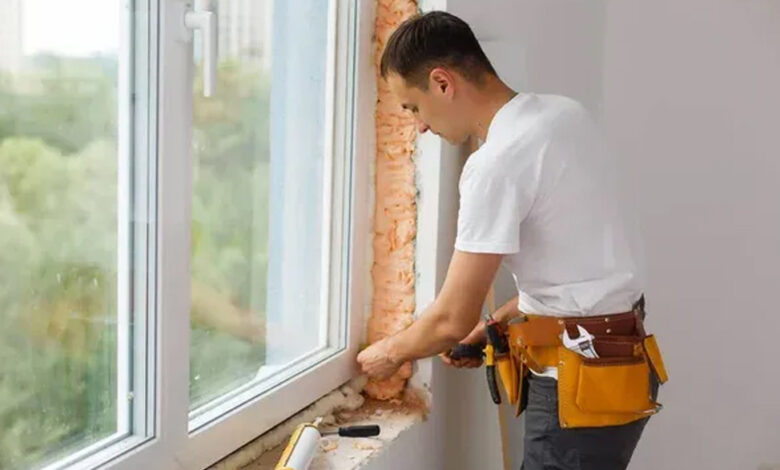
Appropriate sealing materials and techniques should be selected according to the window manufacturer’s instructions and the surrounding wall assembly. Low-expansion products may be used in certain applications to insulate gaps without placing excessive pressure on the window frame.
The goal is to create continuity between the window’s air barrier and the building’s existing air-control layer. This can help reduce drafts and improve the overall performance of the building envelope.
Sealing should not be treated as a simple cosmetic step. Poorly sealed openings can contribute to drafts, moisture problems, and reduced thermal performance. At the same time, excessive sealant should not be used as a substitute for proper flashing or installation techniques.
Selecting the Right Glass
The glass package has a major effect on window performance. Double-pane and triple-pane insulated glazing systems contain multiple layers of glass separated by insulating spaces. These spaces may contain insulating gases, which can improve thermal resistance compared with ordinary air-filled glazing.
Low-emissivity coatings can also improve performance by controlling radiant heat transfer. Different glazing options can help address privacy, glare, sunlight, noise, and safety considerations.
Homeowners should discuss these priorities before selecting the final glazing package because a window designed for maximum daylight may have different characteristics from one designed to reduce solar heat gain or improve privacy.
Safety glazing may also be appropriate in certain locations where the glass could be exposed to impact. The exact requirements depend on the building design and applicable construction standards, so professional guidance can be valuable during selection.
Frame Materials and Their Benefits
Window frames are available in several materials, including vinyl, wood, aluminum, fiberglass, and combinations of materials. Each option has different characteristics relating to durability, appearance, maintenance, insulation, and cost.
Vinyl frames are often selected for relatively low maintenance, while wood frames can provide a traditional appearance and can be finished in various ways. Fiberglass frames can provide strength and dimensional stability, while aluminum frames offer durability and slim profiles but may require appropriate thermal design to reduce heat transfer.
The best frame material depends on the building’s design and the owner’s priorities. Instead of assuming that one material is universally superior, homeowners should compare performance characteristics, maintenance requirements, appearance, and expected service life.
The surrounding environment should also be considered. Areas exposed to significant moisture may require careful attention to frame materials and finishes, while highly visible architectural applications may place greater emphasis on appearance and customization.
Replacing Old or Damaged Windows
Older windows can develop a variety of problems. Common signs include drafts, difficulty opening or closing, deteriorated frames, damaged seals, condensation between glazing layers, visible water damage, and deteriorating finishes.
However, not every window problem requires complete replacement. In some cases, hardware or seals can be repaired. In other situations, deterioration may be extensive enough that replacement becomes a more practical long-term solution.
A professional assessment can help determine whether repair or replacement is appropriate. The decision should consider the window’s age, condition, performance, maintenance requirements, and the cost of continued repairs.
If multiple windows throughout a property are experiencing similar problems, replacing them as part of a coordinated project may provide greater consistency in appearance and performance. However, individual windows should still be evaluated because different openings can have different conditions.
Benefits of Professional Window Installation
Professional window installation can help ensure that the selected product is integrated properly into the building envelope. A trained installer understands the importance of accurate measurements, proper positioning, flashing, sealing, insulation, and finishing.
Professional installation can also reduce the likelihood of operational problems. A correctly installed window should open, close, lock, and seal properly. If problems appear immediately after installation, they can often be identified and corrected before they become long-term concerns.
For larger replacement projects, professional installation also provides consistency. When multiple windows are being replaced, each opening needs to be treated appropriately according to its condition and design. A systematic installation process helps maintain consistent quality throughout the project.
Experienced installers can also identify issues that may not be obvious to homeowners. Damaged framing, inadequate drainage, previous installation defects, or moisture intrusion may become visible only after the existing window is removed.
Common Installation Mistakes to Avoid
One common mistake is failing to inspect the opening before installation. Hidden water damage or deteriorated framing can undermine the new window if it is not addressed first. Another mistake is neglecting proper flashing or installing flashing without integrating it correctly with the surrounding drainage plane.
Incorrectly sizing the opening can also create problems. A window that is too tight may not have enough room for movement, while excessive gaps may make sealing more difficult. The window must also be installed level, plumb, and square to support proper operation.
Using excessive expanding foam is another potential issue. Some products can expand enough to place pressure on the frame, potentially affecting operation. Installers should use materials and quantities appropriate for the specific application.
Another common mistake is homeowners should avoid choosing an installer based solely on the lowest quoted price. Proper preparation, flashing, sealing, and finishing require time and skill. A lower initial price may not represent better value if of new windows. Homeowners should follow the manufacturer’s cleaning and maintenance recommendations and avoid harsh products that relying on exterior caulk as the primary defense against water. While sealants can be an important part of the installation, they should complement proper flashing and drainage rather than replace them.
Finally, homeowners should avoid choosing an installer based solely on the lowest quoted price. Proper preparation, flashing, sealing, and finishing require time and skill. A lower initial price may not represent better value if important installation steps are omitted.
Maintaining Newly Installed Windows
Proper maintenance can help extend the service life of new windows. Homeowners should follow the manufacturer’s cleaning and maintenance recommendations and avoid harsh products that may damage finishes or seals.
Moving parts such as hinges, rollers, locks, and tracks may require periodic cleaning or lubrication depending on the window design. Drainage openings should also remain clear so that water can exit the window system as intended.
The surrounding wall should be monitored for signs of moisture, staining, cracking, or deterioration. If water appears around a newly installed window, it should be investigated rather than ignored. Early attention can help determine whether the issue is related to the window heavy objects or inappropriate coverings against window components. Proper operation requires clear movement of sashes, handles,, flashing, sealant, surrounding wall, or another source.
Homeowners should also avoid placing heavy objects or inappropriate coverings against window components. Proper operation requires clear movement of sashes, handles, locks, and other hardware.
Improving Comfort After Replacement
New windows can contribute to better indoor comfort when the products and installation are appropriate for the building. Reducing drafts can make rooms feel more consistent glazing. Blinds, shades, curtains, exterior shading, and overhangs can help manage sunlight and glare. These features can be particularly useful in rooms that receive strong direct sunlight during certain, while improved glazing can reduce unwanted heat transfer.
Window coverings can also complement the performance of the glazing. Blinds, shades, curtains, exterior shading, and overhangs can help manage sunlight and glare. These features can be particularly useful in rooms that receive strong direct sunlight during certain parts of the day.
However, windows are only one part of the building envelope. Insulation, air sealing, doors, roofing, ventilation, and mechanical systems can also influence indoor comfort and energy consumption. A whole-building approach can therefore provide a better understanding of overall performance.
How to Choose an Installation Professional
Choosing the right installer is an important part of the project. Homeowners should look for professionals with relevant experience, appropriate credentials where required, adequate insurance, strong references, and a clear understanding of the manufacturer’s installation requirements.
A written proposal should explain the products being installed, the scope of work, preparation requirements, finishing details, expected timeline, payment terms, and warranty information. Homeowners should also ask how unexpected problems will be handled if deterioration is discovered after the old windows are removed.
A reliable professional should be willing to explain the installation process rather than simply providing a price. Questions about flashing, insulation, sealing, water management, and product warranties can provide confidence that the new units are not only attractive but also properly integrated into the building and reveal whether the installer is focused on long-term performance.
For a major replacement project, professional window installation can provide confidence that the new units are not only attractive but also properly integrated into the building envelope.
Cost Factors to Consider
The cost of a window project depends on several factors, including the number of windows, dimensions, frame material, glazing type, operating style, installation complexity, moisture intrusion, deteriorated trim, or other structural concerns. Custom sizes, specialty glass,, and condition of the existing openings.
Additional work may be required if the installer discovers damaged framing, moisture intrusion, deteriorated trim, or other structural concerns. Custom sizes, specialty glass, unusual shapes, and architectural features can also increase project costs.
Homeowners should request a detailed written estimate rather than relying on a basic price per window. A comprehensive estimate should clarify whether removal of old windows, disposal, preparation, flashing, insulation, exterior finishing, interior trim, and cleanup are included.
Comparing several proposals can help establish a realistic understanding of the project’s cost. However, estimates should be compared based on the complete scope of work rather than the total price alone.
Final Thoughts on Window Replacement and Installation
Windows are an important investment that can influence comfort, appearance, daylight, ventilation, moisture management, and energy performance. Selecting an efficient product is valuable, but the benefits can be reduced if the unit is installed incorrectly. Proper measurement, opening preparation, flashing, positioning, insulation, air sealing, and finishing all contribute to the final performance of the system.
Homeowners should evaluate windows according to measurable characteristics such as thermal performance, solar heat control, visible light transmission, air leakage, frame construction, durability, maintenance, and budget. Considering these factors together makes it easier to select products that are appropriate for the property rather than focusing on one water intrusion, condensation, or operational problems when installation details are overlooked. Following manufacturer instructions and using features alone.
Professional window installation is particularly important because even a high-performance window can experience drafts, water intrusion, condensation, or operational problems when installation details are overlooked. Following manufacturer instructions and using experienced installers can help ensure that the product performs as intended.
Ultimately, successful window replacement is a combination of the right product and the right installation approach. By carefully evaluating window performance, preparing the openings correctly, maintaining proper water and air barriers, and choosing qualified professionals, property owners can create window systems that provide dependable performance and lasting value. With appropriate care and maintenance, well-installed windows can continue contributing to a property’s comfort, appearance, and functionality for many years.