
A fresh coat of paint can completely change the appearance and atmosphere of a property. Whether the goal is to refresh an outdated interior, protect exterior surfaces, improve curb appeal, or prepare a property for sale, painting is one of the most noticeable improvements a property owner can make. However, achieving an attractive and durable finish involves considerably more than selecting a color and applying paint to a wall. Proper preparation, product selection, surface repair, application techniques, and finishing details all influence the final result.
Hiring an experienced painter can make a significant difference when a project involves multiple rooms, large exterior surfaces, difficult areas, or specialized finishes. Professional painting services combine technical knowledge with practical experience to ensure that surfaces are properly prepared and that the selected coatings are applied according to their intended purpose. A well-executed painting project can improve the appearance of a property while helping protect walls, ceilings, woodwork, metal, and other surfaces from everyday wear and environmental exposure.
Understanding how professional painting works can help property owners plan their projects more effectively. From choosing colors and finishes to preparing surfaces and maintaining the completed work, every stage has a role in producing a result that looks professional and remains attractive for years.
The Importance of Proper Surface Preparation
Surface preparation is one of the most important stages of any painting project. Even the highest-quality paint cannot compensate for a dirty, damaged, uneven, or poorly prepared surface. If walls contain cracks, holes, peeling paint, grease, dust, or moisture-related damage, these issues should be addressed before the new coating is applied.
Preparation can include cleaning the surface, removing loose or peeling paint, filling holes and cracks, sanding rough areas, repairing damaged sections, and ensuring that the surface is dry. Depending on the condition of the property, more extensive preparation may be necessary. Exterior surfaces may require pressure washing or specialized cleaning, while interior walls may need additional attention around doors, windows, baseboards, and high-traffic areas.
Taking time to prepare the surface creates a smoother foundation for the paint. It can also improve adhesion and reduce the likelihood of premature peeling, cracking, or uneven coverage. Professional painters generally understand that preparation can take as much effort as the painting itself, particularly when working with older or neglected surfaces.
Choosing the Right Paint
Paint selection should be based on the surface, environment, purpose of the room, desired appearance, and expected durability. Different coatings are formulated for different applications, so using the same product throughout an entire property may not always be the best approach.
Interior walls may require products that are easy to clean and resistant to everyday marks, particularly in kitchens, hallways, children’s rooms, and other high-use areas. Bathrooms and other moisture-prone spaces may benefit from coatings designed to perform well under humid conditions.
Exterior paint needs to withstand sunlight, temperature changes, rain, wind, and other environmental exposure. The appropriate coating should be compatible with the surface and designed for exterior use. Wood, masonry, metal, and previously painted surfaces can each have different preparation and coating requirements.
A professional can help property owners understand the differences between available products and choose an option that balances appearance, durability, maintenance, and budget.
Understanding Paint Finishes
The finish of a paint affects both its appearance and practical performance. Flat and matte finishes provide a low-reflective appearance that can help conceal minor surface imperfections. They are often selected for ceilings and certain interior walls where a softer visual effect is desired.
Eggshell and satin finishes offer more reflectivity while generally providing better washability than flat finishes. These can be suitable for areas that experience moderate daily use. Semi-gloss and gloss finishes provide greater reflectivity and are often used on trim, doors, cabinets, and surfaces where durability and easy cleaning are priorities.
The right finish depends on the room and the desired appearance. Highly reflective finishes can highlight surface imperfections, so careful preparation becomes especially important when using them.
Exterior finishes also need to be selected according to the material being coated and the environmental exposure. A professional can recommend a finish that provides an appropriate balance between appearance and protection.
Color Selection and Visual Impact
Color is one of the most important decisions in a painting project because it can influence how a room looks and feels. Light colors can make smaller spaces appear brighter and more open, while darker shades can create a more dramatic or intimate atmosphere.
Neutral colors remain popular because they can work with many furniture styles and decorative choices. However, accent walls and stronger colors can add personality when used thoughtfully. The amount of natural light entering a room should also be considered because the same color can appear different under different lighting conditions.
Exterior color choices can influence the overall appearance of a property and should complement existing architectural elements. Roof materials, doors, trim, landscaping, and surrounding features can all affect how an exterior color is perceived.
Before committing to a large quantity of paint, testing sample colors on the actual surface can be useful. Paint can look different depending on the lighting, surrounding colors, surface texture, and time of day.
Interior Painting Services
Interior painting can refresh individual rooms or transform an entire property. Professional interior painting often involves more than coating walls. Ceilings, doors, trim, baseboards, cabinets, and other surfaces may also require attention depending on the project.
Furniture and flooring should be protected before work begins. Professional teams typically cover or move items as necessary and protect areas that should not receive paint. Careful preparation around switches, outlets, windows, doors, and architectural details can help create cleaner lines.
The number of coats required depends on the existing color, new color, surface condition, and type of paint being used. Dramatic color changes may require additional coats to achieve consistent coverage. Proper drying time between coats is also important because applying additional material too quickly can affect the finish.
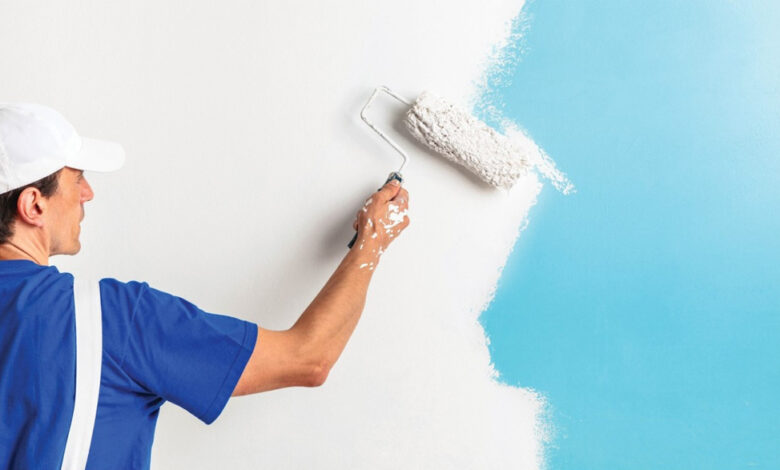
A professional approach emphasizes consistency. Walls should have an even appearance without visible roller marks, excessive brush strokes, uneven coverage, or accidental splatter.
Exterior Painting and Surface Protection
Exterior painting serves both decorative and protective purposes. Outdoor surfaces are continuously exposed to environmental conditions, so the coating needs to provide appropriate protection while maintaining its appearance.
Before exterior painting begins, surfaces may need thorough cleaning to remove dirt, mildew, loose material, and other contaminants. Damaged areas should be repaired, and loose paint should be removed. Wood surfaces may require additional preparation, while metal surfaces may need treatment for corrosion.
Weather conditions also matter. Paint should be applied under suitable conditions for the specific product. Excessive moisture, extreme temperatures, or unfavorable weather can interfere with drying and adhesion.
Exterior painting can also provide an opportunity to identify maintenance issues. Cracked siding, deteriorated wood, damaged trim, and other problems may become visible during preparation. Addressing these issues before painting can improve both the appearance and durability of the finished surface.
Repairing Walls Before Painting
Painting often reveals imperfections rather than hiding them. Small cracks, nail holes, dents, stains, and uneven areas can become more noticeable after a fresh coating is applied, particularly with certain finishes and lighting conditions.
A professional painting project should therefore include an assessment of the existing surface. Minor imperfections may be repaired using suitable fillers or compounds, while more significant damage may require specialized repair work.
Water stains deserve particular attention. Simply painting over a moisture stain without identifying and correcting the source can lead to recurring discoloration and potentially more serious damage. If there are signs of ongoing moisture intrusion, the underlying issue should be addressed before painting.
Proper sanding is also important after repairs. Rough patches can remain visible beneath the new coating if they are not smoothed appropriately. Surface preparation creates the foundation for a uniform final appearance.
Protecting Floors, Furniture, and Fixtures
A professional painting project should include careful protection of areas that are not being painted. Floors, furniture, countertops, fixtures, windows, doors, and other surfaces can be protected using suitable coverings and masking materials.
Protecting these areas is not simply about avoiding mess. Clean edges and controlled application contribute significantly to the quality of the finished project. Paint that reaches unwanted surfaces can create additional cleanup work and may damage delicate materials.
Professionals also use appropriate tools for different applications. Brushes can provide precision around edges and detailed areas, while rollers and sprayers may be suitable for larger surfaces depending on the project. Choosing the correct tool can improve consistency and efficiency.
Why Professional Painting Can Be Valuable
DIY painting can be suitable for small projects, but larger or more complicated jobs can require significant time, equipment, and skill. Professional painting services can help property owners avoid common application problems and reduce the physical workload involved in preparing and painting large areas.
An experienced Painter understands how different surfaces respond to preparation and coatings. They can recognize when sanding, priming, patching, cleaning, or additional preparation is required. They also understand how to maintain consistent coverage across large surfaces.
Professional work can be particularly beneficial for high ceilings, stairways, exterior elevations, detailed trim, cabinets, and other difficult-to-reach areas. Working at height requires appropriate equipment and safety practices, making professional assistance especially valuable for challenging projects.
The Role of Primer
Primer can serve several important purposes in a painting project. It can improve adhesion, create a more uniform surface, help cover certain stains, and provide a suitable foundation for the final coating.
Not every surface requires the same type of primer. Bare wood, new drywall, metal, masonry, previously painted surfaces, and stained areas can have different requirements. Selecting the right primer is therefore important.
Primer can also be useful when making significant color changes. A properly selected primer may help create a more consistent base and reduce the amount of finish paint required to achieve the desired appearance.
However, primer should not be viewed as a universal solution for damaged surfaces. Serious moisture problems, structural damage, or deteriorated materials should be addressed before priming and painting.
Painting Cabinets and Woodwork
Cabinets, doors, trim, and other woodwork can often be refreshed through professional refinishing or repainting. These projects require careful preparation because smooth surfaces and frequently touched areas can expose application imperfections.
Cabinet painting may involve cleaning, degreasing, sanding, priming, and applying specialized coatings. Hardware may need to be removed before painting and reinstalled afterward. Proper curing time is also important because cabinets are subject to frequent contact and use.
Trim and doors can provide an opportunity to add contrast or visual definition to an interior. Choosing an appropriate finish can also make these surfaces easier to clean and maintain.
Common Painting Mistakes to Avoid
One of the most common painting mistakes is rushing preparation. Applying paint over dirt, grease, peeling material, or damaged surfaces can result in poor adhesion and an uneven appearance.Another common problem is failing to use enough paint or applying excessive material. Too little paint can create thin or inconsistent coverage, while excessive application can lead to drips, runs, and extended drying times.
Using poor-quality brushes or rollers can also affect the final finish. Different coatings require different application tools, and selecting the wrong tool may create unwanted texture or marks.Skipping primer when it is appropriate can create adhesion and coverage problems. Painting in unsuitable environmental conditions can also interfere with drying and curing.Finally, failing to allow adequate drying and curing time can compromise the finished surface. A project may look complete before the coating has reached its full level of durability.
Maintenance After Painting
Proper maintenance can help painted surfaces remain attractive for longer. Interior walls should be cleaned according to the paint manufacturer’s recommendations, particularly in areas exposed to fingerprints, cooking residue, or other everyday marks.Small marks should generally be addressed promptly rather than allowing dirt to accumulate. When touch-ups are necessary, using the original paint or a properly matched product can help maintain consistency.
Exterior surfaces should also be inspected periodically. Peeling, cracking, fading, mildew, and other changes can indicate that maintenance is required. Addressing small problems early can help prevent more extensive deterioration.The surrounding property should also be considered. Gutters, landscaping, sprinklers, and drainage should be managed so that water does not continuously contact painted surfaces unnecessarily.
Choosing a Reliable Painting Professional
Selecting a painting professional requires consideration of experience, workmanship, communication, insurance, references, and the clarity of the project estimate. Homeowners should ask what preparation is included and what products will be used.
A written estimate should explain the areas to be painted, number of coats where relevant, preparation work, materials, labor, cleanup, and any exclusions. This makes it easier to compare proposals and understand the expected scope of the project.It is also helpful to ask how the professional handles repairs discovered during preparation. If damaged drywall, deteriorated wood, or moisture problems are uncovered, homeowners should understand whether those services are included or priced separately.
A reliable professional should communicate clearly throughout the project and provide realistic expectations about scheduling and completion.
Painting and Property Value
A well-maintained paint job can improve the visual presentation of a property. Fresh, clean surfaces can make rooms feel more attractive and can contribute to a positive first impression for visitors, tenants, or potential buyers.However, painting should be viewed as part of broader property maintenance rather than a guaranteed way to increase value by a specific amount. The effect depends on the property’s condition, market circumstances, quality of workmanship, color choices, and many other factors.
For properties being prepared for sale, neutral and well-maintained finishes may make spaces easier for prospective occupants to imagine using. For long-term homeowners, color choices can instead prioritize personal preferences and the atmosphere they want to create.
Final Thoughts on Professional Painting
Painting is one of the most effective ways to refresh and protect a property, but achieving a professional result requires planning and careful execution. Surface preparation, paint selection, color coordination, primer, application techniques, drying time, and finishing details all contribute to the final appearance.
Professional painter services can be particularly valuable when a project involves extensive preparation, large areas, difficult surfaces, exterior work, high ceilings, detailed trim, or specialized finishes. An experienced Painter can evaluate the condition of the surfaces, recommend appropriate materials, and apply coatings using techniques designed to create consistent and durable results.
Property owners should take time to define their goals before beginning a project. Choosing colors, finishes, materials, and the scope of work in advance can make the process more organized. A detailed written estimate can also help establish realistic expectations about cost and completion.
With proper preparation, quality materials, skilled application, and regular maintenance, painted surfaces can remain attractive and functional for many years. Whether the goal is a subtle refresh or a complete visual transformation, professional painting can help create a cleaner, more polished, and comfortable environment while protecting the surfaces beneath the finish.