
Most first trips to Japan follow the same path: Tokyo, Kyoto, Osaka, maybe a day in Hiroshima. It’s a good route, but it’s also a crowded one, and plenty of travelers come home wishing they’d seen somewhere a bit quieter. Between Osaka and Hiroshima sits a city that rarely makes the headlines and rewards the people who stop there: Okayama.
It has a famous garden, a striking castle, a well-preserved canal town next door, and a gateway to some of Japan’s best art islands. It also has a reputation for sunny, dry weather, which is why locals sometimes call the region the “Land of Sunshine.” Here’s what’s worth doing, and how to fit it into a trip.
Why Okayama Deserves a Stop
Okayama doesn’t have the single blockbuster attraction that pulls everyone toward Kyoto or Tokyo, and that’s part of the appeal. The pace is slower, the streets are easier to navigate, and you can see the main sights in a day without feeling rushed or jostled. It works well as a breather in the middle of a busy itinerary, or as a base for exploring the surrounding area.
It’s also a city with a good amount of character. The local folklore centers on Momotaro, the boy born from a giant peach, and you’ll see peach-themed souvenirs and statues around the station. It’s a small, charming detail that gives the place a personality beyond the sightseeing list.
Getting There and Getting Around
Planning a stop in Okayama is easier than most people expect, because it sits right on the Sanyo Shinkansen line. From Osaka the bullet train takes roughly 45 minutes, and from Tokyo it’s around three and a half to four hours depending on the service. From Hiroshima, the JR Sanyo Line gets you there without much fuss. There’s also an airport with flights from Tokyo, with a bus connecting it to the main station.
Once you arrive, getting around is simple. Two tram lines run from in front of Okayama Station, and the Shiroshita stop is the most useful for visitors, since the garden and castle are reachable on foot from there. Many travelers also rent bicycles, which suits the city’s flat layout. If you plan to explore beyond the city center, it’s worth checking which regional rail passes cover the area before you buy tickets one at a time.
Korakuen Garden and Okayama Castle
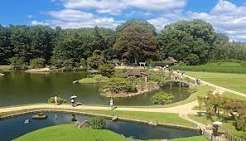
The main draw in the city is Korakuen, regularly listed among Japan’s three great landscape gardens. It was built in the Edo period as a place for the local lord to relax, and it still feels designed for slow walking. Wide lawns, a pond with a small island, tea houses, and carefully placed pines make up a layout that looks different from every angle. Early morning is the quietest time to visit, and the light on the water is lovely.
Right next to the garden, across a short bridge, stands Okayama Castle. Its dark exterior earned it the nickname “Crow Castle,” and it contrasts nicely with the greenery below. The original was largely destroyed in the war and later rebuilt, so the interior is more museum than historical relic, but the views from the upper floors and the contrast with the garden make the pairing worthwhile. Plan on a half day for both, longer if you like to linger.
A Short Trip to Kurashiki
One of the best reasons to base yourself in Okayama is how easy it makes visiting Kurashiki, a short train ride away. The old merchant district around its canal is lined with white-walled storehouses, willow trees, and small shops, and it looks the way many people imagine historic Japan should look. Several of the old warehouses now hold galleries and cafes, and a boat ride along the canal is a pleasant way to see it all.
Kurashiki is also tied to Japan’s denim industry, particularly in the nearby Kojima area, so it’s a fun place to browse locally made jeans and accessories. It can get busy in the middle of the day, so arriving early or staying until evening, when the lanterns come on, makes for a better experience.
Naoshima and the Art Islands
For travelers interested in contemporary art and architecture, Okayama is the usual starting point for reaching Naoshima, the island known for its museums, outdoor installations, and minimalist buildings. Getting there takes a train to the port town of Uno and then a short ferry ride across the Seto Inland Sea. It’s best treated as a full day, and it’s worth checking opening days and reservation requirements for individual museums in advance, since some close on certain weekdays.
Nearby Inujima is smaller and quieter, built around a former copper refinery turned art site. Both islands reward visitors who like their travel a little offbeat, and the ferry rides themselves are a nice change of scenery after a few days of train stations.
What to Eat
Okayama is known for its fruit, especially white peaches and muscat grapes, which are grown with great care and appear everywhere in season, from fancy gift boxes to shaved ice and desserts. Peaches are at their best in early summer, and grapes arrive later in the year.
For something more savory, look for barazushi, a local style of scattered sushi topped with seafood and vegetables, often served at home on festive occasions. You’ll also come across kibi dango, soft millet dumplings tied to the Momotaro legend, which make an easy snack or souvenir. None of it is complicated food, but it’s distinctly local and a good way to connect the city’s stories with what’s on your plate.
When to Go
Okayama’s mild, dry climate makes it pleasant for much of the year. Spring brings cherry blossoms around the castle and garden, usually from late March into early April, though crowds do pick up then. Autumn offers comfortable temperatures and colorful foliage, particularly in November. Summers are hot and humid, so if you travel then, plan outdoor sightseeing for the morning and save museums and cafes for the afternoon.
Is It Worth the Detour?
For anyone with a week or more in Japan, the answer is almost always yes. Okayama doesn’t ask for much time, one night is enough for the highlights, and it pays off with a garden worth wandering, a castle with an unusual look, and easy access to Kurashiki and the islands. It’s a reminder that some of the best travel moments come from the places between the famous ones, where the pace is gentler and there’s room to actually enjoy what you’re seeing.