
You built your gym one piece at a time. A treadmill after New Year’s, a bench the next spring, a rack and plates once the habit stuck.
Moving it all happens in one day. Every machine that once took a delivery crew and an afternoon of assembly now has to be disassembled, transported, and reassembled, usually down a staircase it was never designed for.
That’s the job Chicago fitness equipment movers handle: dismantling, protecting, transporting, and reassembling treadmills, ellipticals, spin bikes, weight benches, cable machines, free weights, and heavy steel racks.
The work includes protective wrapping, padding, and stabilization; weight distribution for heavy machines; flatbed dollies; and secure trucks, whether the equipment sits in a basement home gym or a commercial fitness studio.
A move like that goes smoothly when you answer the hard questions before moving day. Here are seven worth settling first.
1. Will the Treadmill Fit Through the Door Assembled?
Sometimes not. Treadmills, cable machines, and home gym stations are often assembled in the room they live in, so the finished machine may be wider or taller than any door it has to pass through.
Tight hallways, basement stairs, and narrow staircases make it worse. A route that worked for flat-packed boxes may not work for a machine in one piece.
Movers evaluate the space and plan the route before lifting anything. That walk-through decides what comes apart, what stays together, and which way each piece turns on the stairs.
Distance doesn’t change that math. A move across the street needs the same teardown as one across Chicago, because the hardest part happens inside the building.
2. Which Parts Come Off Before the Machine Moves?
More than most owners expect. Removable parts and adjustable components are the pieces most likely to shift, snap, or go missing in transit.
Seats, pins, handles, and cable attachments loosen with every bump. Leaving them on invites damage to the part and to whatever it rattles against.
Disassembly handles that problem at the source. Each piece comes off, gets protected, and travels in a way that keeps it from moving around.
3. Can Two Friends Carry a Weight Machine Safely?
Heavy machines rarely carry their weight evenly. A weight stack, a steel frame, and a motor housing each pull in a different direction, and the balance point shifts as soon as the machine tilts.
That’s why weight distribution is its own step in a professional fitness equipment move. Flatbed dollies take the load off backs and keep machines level across floors and thresholds.
Free weights add up faster than people expect. Plates and dumbbells pack and load with the same attention to weight distribution, so the boxes stay manageable and the load stays balanced.
Two friends and a borrowed hand truck can get a bench across a room. A loaded cable machine on a staircase is a different job.
4. Will the Console and Electronics Survive the Ride?
Modern cardio machines are part exercise equipment, part computer. Consoles, sensors, cables, and calibrated components sit right next to the frame’s heaviest parts.
Sensitive electronics need extra care during transport and use. Protective wrapping, padding, and stabilization keep screens and wiring from absorbing the hits that a steel frame can shrug off.
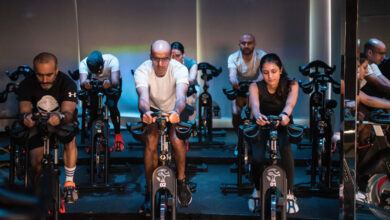
Spin bikes and ellipticals have their own consoles and adjustable parts, so they get the same treatment. Secure trucks finish the job, and properly stabilized equipment arrives the way it left.
5. Who Rebuilds the Gym at the New Address?
Someone has to. Owners often forget to plan for reassembly, and it’s what decides whether the gym is usable on day one.
Professional movers handle reassembly, placement, and setup in the new location. Machines go where they belong, in the order that makes sense for the room. During setup, a crew reattaches adjustable seats, pins, and cable attachments so the machine is ready for a workout as soon as they leave.
Skipping that step usually leaves you with a garage full of parts and a weekend spent searching for the right bolt.
6. Does Every Piece Need to Make the Trip?
A move is a good time to be honest about the rowing machine that’s been holding laundry for two years.
Removal of old or unused equipment is available on request. That means fewer pieces to wrap, carry, and reassemble, and more space in the new gym for the equipment that actually gets used. It also means less to carry up the stairs at the other end.
A quick inventory helps here:
- Machines used every week
- Equipment used occasionally
- Pieces nobody has touched since the last move
- Broken or outdated items worth retiring
7. Can a Gym or Studio Reopen Quickly After the Move?
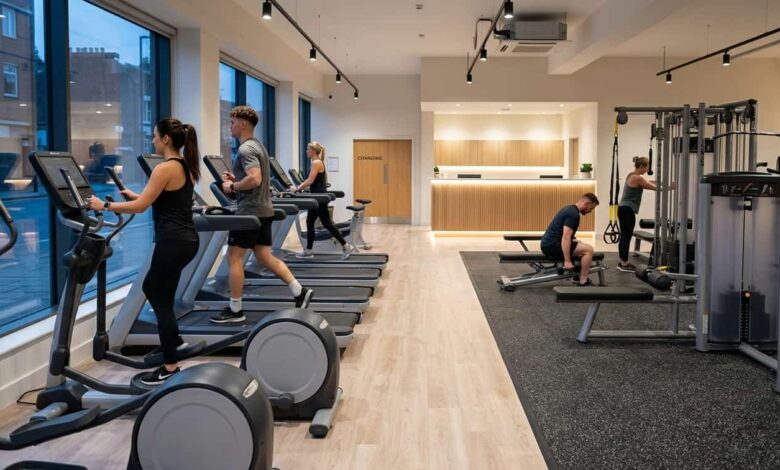
For gyms, fitness studios, wellness centers, physical therapy clinics, and training facilities, equipment is an expensive asset, and every day the doors stay closed matters.
Commercial moves are planned to minimize downtime. Every piece gets labeled, so rows of machines, benches, and racks go back into place in an organized way. Heavy steel racks and cable machines get the same wrapping and stabilization as a home treadmill, just at a larger scale.
Labeling pays off at reassembly. A crew that knows exactly which component belongs to which machine gets the floor ready faster, and the doors open sooner.
Settle These Before Moving Day
Moving fitness equipment comes down to a short checklist:
- Measure the route, including hallways, basements, and staircases
- Decide which machines need disassembly
- Protect consoles, cables, and adjustable parts
- Use flatbed dollies and proper weight distribution for heavy machines
- Plan reassembly, placement, and setup at the new address
- Retire the equipment you no longer use
- Label everything for commercial moves to keep downtime short
Answer those seven questions early, and the gym you built piece by piece will be ready for your next workout, wherever it ends up.