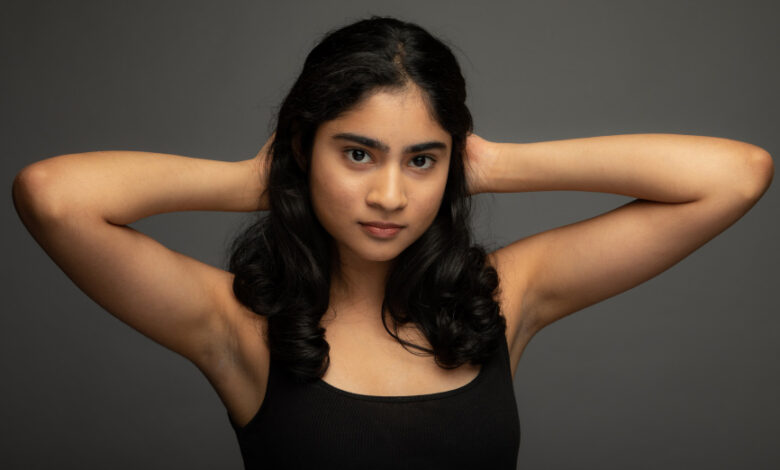

A model portfolio is often the first chance to show an agency, designer, or potential client what a model can bring to a project. In the fashion industry, it is not enough to look good to succeed. A model should know how to present their beauty to transmit the potential clients’ message more effectively. That is why strong visuals are usually much more convincing.
For photographers, understanding how to make a modeling portfolio means being able to capture images that feel intentional while giving the model enough variety to demonstrate their potential. It may seem daunting at first, but you can succeed with a thoughtful approach.
In this guide, we offer tips to build a portfolio that looks professional, varied, and relevant.
Tip 1: Set the Concept
Understanding how to create a modeling portfolio begins with a message you want your pictures to convey. It is a collective work, so discuss the intended concept with the model first. A fashion portfolio may need stronger styling and more expressive images, while a commercial portfolio can benefit from approachable expressions and clean compositions.
Select outfits, locations, and visual moods accordingly. Prioritize quality over quantity and don’t change the setup for every frame. One well-chosen location can produce several looks if you change the styling, framing, or model’s position. Include a clear portrait, a few full-length images, and photographs that show movement or personality.
Tip 2: Guide the Poses
Your model should understand how to pose for modeling photos. It does not mean you should overwhelm them with complex positions and strict commands. Clear and simple directions are usually enough. If someone feels unsure in front of the camera, asking for a specific action usually works better than asking to stand still and smile.
Watch what happens between planned poses, too. A slight change in posture or expression can create a more convincing frame than a carefully held position. Remember that it is teamwork. Express your opinions, especially positive ones, so the model feels more confident and knows what works for them.
Pay attention to small details. Relaxed shoulders, natural hand placement, and a comfortable chin position can make an image feel much more polished. Give one adjustment at a time, then take another frame. It will eliminate pressure and prevent stiff looks.
Tip 3: Work with Light
Choose lighting that highlights the model’s face, clothes, and body shape without creating distracting shadows. In an outdoor photograph, prefer a naturally open place with even lighting. If you choose the indoor approach, a big window can serve as a natural light source, but if, due to the time of day, it is impossible to use one, try softened artificial lighting.
Fashion photography tips recommend taking a few test frames before the main photoshoot. Check how the light falls across the model’s face and whether it creates unwanted shadows under the eyes or nose. Moving the model just a step or two can sometimes make a bigger difference than changing your equipment.
Soft, even light works well for clean portraits, while stronger directional light can add character to fashion images. If you are not sure what works best for your concept, apply photo editing presets with different lighting conditions on your test shots before continuing.
Tip 4: Ensure Variety
It helps to show variety within the same portfolio, but ultimately, all the pictures in a profile should be of the same individual. Vary head-and-shoulders shots from full-body shots, include dynamic frames with movement, and capture a range of emotions on the model’s face. Only replace one great detail in the next picture.
Do not choose different versions of the same pose for fashion image editing. No matter how good they are, you will only waste your time. A model portfolio is a commercial project, it should be convincing. That is why you should transmit your message from different perspectives. For instance, one shot might highlight the model’s features, another might show their posture, while a third captures a more energetic personality.
Tip 5: Focus on the Model
Before taking each frame, scan the background for distracting objects, bright spots, or strong lines that pull attention away from the subject. A simple wall, a quiet street, or an uncluttered interior usually works best. A lamp, sign, or passing person can easily spoil an otherwise strong photograph, so check the edges of the frame before clicking the shutter. It will save you the time you often spend on removing clutter during fashion photo retouching.
Try several framings instead of photographing every look from the same distance. A closer crop can emphasize expression and styling, while a full-length frame gives more information about posture and clothing. Leave some space when it supports the composition. It may be especially helpful for editorial layouts and commercials.
Conclusion
Take your modeling portfolio shooting skills to the next level. If your goal is to set the standard on the casting call, then plan every aspect of your sessions carefully. Do not include only typical headshots; build portfolios with high quality and impact. Plan an amazing modeling portfolio shooting right now!