Foam Roof Repair: A Complete Guide to Maintaining, Restoring, and Protecting Your Roofing System

A foam roofing system can provide a durable and energy-efficient protective layer when it is properly installed and maintained. Like any roofing material, however, it can eventually develop problems caused by weather exposure, physical damage, aging, poor drainage, or inadequate maintenance. Small cracks, punctures, surface wear, and areas of deterioration should not be ignored because minor defects can allow moisture to reach underlying materials. Understanding how foam roofing works and recognizing common warning signs can help property owners respond before a small problem becomes more extensive. Foam roof repair is an important part of maintaining the performance and service life of a roofing system when damage or deterioration is identified.
Understanding Foam Roofing Systems
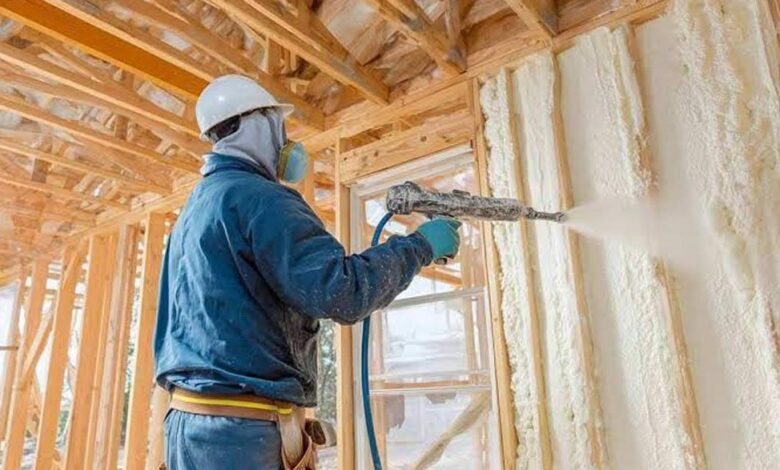
Spray polyurethane foam roofing is created by applying a liquid material that expands and forms a continuous layer over the existing roof surface. Once cured, the foam provides insulation as well as a protective barrier against moisture. The surface is typically covered with a protective coating that helps shield the foam from ultraviolet radiation, weather exposure, and physical wear. Because the system can create a relatively seamless surface, it can reduce the number of traditional joints where water might otherwise enter. However, the protective coating and foam surface still require regular care. Exposure to sunlight, standing water, foot traffic, falling objects, and severe weather can gradually affect the condition of the system.
Common Causes of Roof Damage
Several factors can contribute to deterioration of a foam roofing system. Severe weather can cause punctures or impact damage, while regular foot traffic from maintenance activities can create small depressions or surface defects. Falling branches, tools, equipment, and other objects may also damage the protective coating or underlying foam. Water can become another concern when drainage systems are blocked or when low areas allow moisture to remain on the roof for extended periods. Ultraviolet exposure can gradually wear down protective coatings if they are not maintained properly. Identifying the specific cause of damage is important because simply covering a visible defect may not address the underlying problem.
Signs That a Roof May Need Attention
Some roof problems are easy to recognize, while others may develop gradually. Visible cracks, exposed foam, bubbling, peeling coatings, soft areas, punctures, or unusual discoloration can indicate that the roofing system needs evaluation. Interior signs may include water stains on ceilings, damp insulation, peeling finishes, or unexplained moisture around the upper portions of a building. Persistent standing water can also indicate drainage problems that should be investigated. Regular inspections can help identify these warning signs before they become larger concerns. Foam roof repair may be appropriate when localized damage can be addressed without replacing the entire roofing system.
Why Early Repairs Matter
Small roofing defects can become more expensive when they remain untreated. A small puncture may allow water to reach the foam or underlying materials, particularly when rain continues to expose the damaged area. Moisture can gradually weaken surrounding materials and may contribute to additional deterioration. Addressing problems early can help limit the size of the affected area and reduce the amount of corrective work required. Early repairs can also help maintain the insulating and weather-resistant characteristics of the roofing system. Property owners should therefore treat visible damage, recurring leaks, and coating deterioration as reasons to arrange a professional evaluation rather than waiting for the problem to become severe.
Inspecting the Roofing Surface
A detailed inspection should consider more than the most obvious damaged spot. The surrounding foam, protective coating, drainage areas, flashing, penetrations, edges, and other roof components may also need evaluation. Inspectors can look for cracks, punctures, areas of erosion, coating loss, ponding water, and changes in surface texture. The condition of roof-mounted equipment and areas around penetrations should receive particular attention because these locations can experience additional stress. An inspection can help determine whether the problem is isolated or part of a broader pattern of deterioration. Understanding the overall condition of the roof is important when deciding whether localized repairs or more extensive restoration may be necessary.
Repairing Small Punctures and Cracks
Small punctures and cracks can sometimes be addressed using compatible repair materials designed for the specific roofing system. The damaged area generally needs to be properly prepared before any repair material is applied. Loose material, dirt, moisture, and deteriorated coating may need to be removed so that the repair can bond effectively. The damaged foam may also require trimming or preparation if it has been compromised. Once the area is properly prepared, a suitable repair material and protective coating can be applied according to the roofing manufacturer’s requirements. Foam roof repair should be performed using compatible products because unsuitable materials can create adhesion problems or interfere with the performance of the existing roofing system.
Addressing Protective Coating Damage
The protective coating plays an important role in shielding foam from environmental exposure. Over time, the coating may become thin, cracked, faded, or worn due to sunlight, weather, and normal aging. If the coating has deteriorated significantly, simply applying another layer without preparing the surface may not produce a durable result. The existing surface may need cleaning, preparation, and evaluation before recoating. Any underlying foam damage should also be addressed before a new protective layer is installed. Maintaining the coating properly can help protect the foam from ultraviolet exposure and extend the useful life of the overall roofing system.
Managing Ponding Water
Standing water is an important issue for many roofing systems because prolonged exposure to moisture can contribute to deterioration. Ponding may occur because of blocked drains, damaged drainage components, inadequate slope, structural movement, or other conditions that prevent water from leaving the roof efficiently. If standing water continues after rainfall, the underlying cause should be investigated rather than simply treating the visible water. Improving drainage can help protect the roofing surface and reduce prolonged exposure to moisture. Regularly clearing drains and checking drainage paths can also help prevent avoidable problems. Addressing ponding conditions is an important part of maintaining long-term roof performance.
Importance of Professional Assessment
Although minor maintenance tasks may appear straightforward, roofing systems can contain multiple layers and components that are not always easy to evaluate without appropriate experience. A professional assessment can help determine the extent of damage and identify whether moisture has affected areas beyond the visible defect. It can also help distinguish between normal surface wear and conditions that require immediate attention. A qualified roofing professional can recommend an appropriate repair approach based on the type of damage, the condition of the existing foam, and the state of the protective coating. Foam roof repair should be approached carefully to avoid covering defects that may require more extensive correction.
Preparing the Surface for Repair
Proper surface preparation is essential for achieving a durable repair. Roofing surfaces should generally be clean and free from loose debris, dirt, oils, moisture, and deteriorated material before compatible repair products are applied. The affected area may need to be dried completely because moisture trapped beneath repair materials can interfere with adhesion and create additional problems. Damaged foam may require removal or reshaping depending on the extent of deterioration. The surrounding surface should also be inspected to ensure that the repair does not simply conceal a larger issue. Careful preparation can improve the performance and longevity of the completed repair.
Materials Used for Repairs
The materials used for repairing a foam roof depend on the type and severity of the damage. Compatible coatings, sealants, foam products, reinforcing materials, and other components may be used as part of a repair system. Product compatibility is particularly important because different roofing materials may have different chemical and adhesion characteristics. Manufacturers often provide specific requirements for surface preparation, application conditions, curing times, and compatible products. Following these requirements can help reduce the risk of premature failure. Using random materials simply because they appear suitable may result in poor adhesion, cracking, or incompatibility with the existing roofing system.
Weather and Repair Conditions
Environmental conditions can affect the quality of roofing work. Excessive moisture, rain, extreme temperatures, or high humidity may interfere with certain repair materials and coatings. The roof surface generally needs to be adequately dry before repair products are applied. Application temperatures and curing requirements should also be considered according to the manufacturer’s instructions. Performing repairs under unsuitable conditions can reduce adhesion and may shorten the service life of the repaired area. Proper scheduling and preparation can therefore be just as important as selecting the right materials.
Preventing Future Roof Damage
Regular maintenance can reduce the likelihood of recurring roofing problems. The roof should be inspected periodically for punctures, coating deterioration, debris accumulation, drainage problems, and damage around penetrations. Foot traffic should be limited to necessary maintenance activities, and workers should use appropriate precautions when accessing the roof. Trees or structures that create a risk of falling debris should also be evaluated when relevant. Keeping drains and drainage pathways clear can help reduce ponding. Preventive maintenance allows property owners to identify small problems early and address them before they develop into larger and more costly repairs.
Protecting Roof Penetrations
Roof penetrations can be vulnerable areas because pipes, vents, HVAC equipment, supports, and other components interrupt the continuous roofing surface. Sealants and flashing around these locations can deteriorate over time because of movement, temperature changes, weather exposure, and aging. Regular inspection of these areas can help identify gaps, cracks, loose materials, or other signs of deterioration. Any defects should be addressed using materials compatible with the existing roofing system. Paying close attention to penetrations can help reduce the risk of water entering through areas that may otherwise be overlooked during a general roof inspection.
Long-Term Maintenance Planning
A maintenance plan can help property owners keep track of inspections, repairs, coating condition, drainage, and other roofing concerns. Instead of waiting until a major leak develops, scheduled inspections can identify problems while they remain relatively small. Maintenance records can also help professionals understand the history of the roofing system and determine when previous repairs or coatings were applied. If multiple areas show similar deterioration, the records may help reveal a broader maintenance need. Foam roof repair can be more effective when it is part of a planned maintenance strategy rather than an emergency response to severe water damage.
When More Extensive Restoration May Be Needed
Not every damaged foam roof can be restored through a small localized repair. Extensive coating failure, widespread deterioration, repeated leaks, severe physical damage, or significant underlying moisture may indicate that more comprehensive work is required. A professional evaluation can help determine whether localized repairs, recoating, partial restoration, or another approach is appropriate. The decision should consider the age and condition of the roofing system as well as the extent of damage. Attempting to repeatedly patch widespread deterioration may not provide a practical long-term solution. A thorough assessment can help property owners understand the available options before committing to major work.
Final Thoughts
A foam roofing system can provide valuable insulation and weather protection, but its performance depends on proper installation, regular maintenance, and timely attention to damage. Cracks, punctures, coating deterioration, standing water, and damaged areas should be evaluated before they create more extensive problems. Foam roof repair can address localized defects and help preserve the condition of an existing system when the damage is suitable for repair. Proper surface preparation, compatible materials, appropriate application conditions, and professional assessment all contribute to a durable result. Regular inspections and preventive maintenance are equally important because they can identify developing problems before they become major expenses. By monitoring the roof, maintaining drainage, protecting vulnerable areas, and responding promptly to damage, property owners can help extend the useful life and performance of their roofing system.
Foam Roof Repair: A Complete Guide to Maintaining, Restoring, and Protecting Your Roofing System
A foam roofing system can provide a durable and energy-efficient protective layer when it is properly installed and maintained. Like any roofing material, however, it can eventually develop problems caused by weather exposure, physical damage, aging, poor drainage, or inadequate maintenance. Small cracks, punctures, surface wear, and areas of deterioration should not be ignored because minor defects can allow moisture to reach underlying materials. Understanding how foam roofing works and recognizing common warning signs can help property owners respond before a small problem becomes more extensive. Foam roof repair is an important part of maintaining the performance and service life of a roofing system when damage or deterioration is identified.
Understanding Foam Roofing Systems
Spray polyurethane foam roofing is created by applying a liquid material that expands and forms a continuous layer over the existing roof surface. Once cured, the foam provides insulation as well as a protective barrier against moisture. The surface is typically covered with a protective coating that helps shield the foam from ultraviolet radiation, weather exposure, and physical wear. Because the system can create a relatively seamless surface, it can reduce the number of traditional joints where water might otherwise enter. However, the protective coating and foam surface still require regular care. Exposure to sunlight, standing water, foot traffic, falling objects, and severe weather can gradually affect the condition of the system.
Common Causes of Roof Damage
Several factors can contribute to deterioration of a foam roofing system. Severe weather can cause punctures or impact damage, while regular foot traffic from maintenance activities can create small depressions or surface defects. Falling branches, tools, equipment, and other objects may also damage the protective coating or underlying foam. Water can become another concern when drainage systems are blocked or when low areas allow moisture to remain on the roof for extended periods. Ultraviolet exposure can gradually wear down protective coatings if they are not maintained properly. Identifying the specific cause of damage is important because simply covering a visible defect may not address the underlying problem.
Signs That a Roof May Need Attention
Some roof problems are easy to recognize, while others may develop gradually. Visible cracks, exposed foam, bubbling, peeling coatings, soft areas, punctures, or unusual discoloration can indicate that the roofing system needs evaluation. Interior signs may include water stains on ceilings, damp insulation, peeling finishes, or unexplained moisture around the upper portions of a building. Persistent standing water can also indicate drainage problems that should be investigated. Regular inspections can help identify these warning signs before they become larger concerns. Foam roof repair may be appropriate when localized damage can be addressed without replacing the entire roofing system.
Why Early Repairs Matter
Small roofing defects can become more expensive when they remain untreated. A small puncture may allow water to reach the foam or underlying materials, particularly when rain continues to expose the damaged area. Moisture can gradually weaken surrounding materials and may contribute to additional deterioration. Addressing problems early can help limit the size of the affected area and reduce the amount of corrective work required. Early repairs can also help maintain the insulating and weather-resistant characteristics of the roofing system. Property owners should therefore treat visible damage, recurring leaks, and coating deterioration as reasons to arrange a professional evaluation rather than waiting for the problem to become severe.
Inspecting the Roofing Surface
A detailed inspection should consider more than the most obvious damaged spot. The surrounding foam, protective coating, drainage areas, flashing, penetrations, edges, and other roof components may also need evaluation. Inspectors can look for cracks, punctures, areas of erosion, coating loss, ponding water, and changes in surface texture. The condition of roof-mounted equipment and areas around penetrations should receive particular attention because these locations can experience additional stress. An inspection can help determine whether the problem is isolated or part of a broader pattern of deterioration. Understanding the overall condition of the roof is important when deciding whether localized repairs or more extensive restoration may be necessary.
Repairing Small Punctures and Cracks
Small punctures and cracks can sometimes be addressed using compatible repair materials designed for the specific roofing system. The damaged area generally needs to be properly prepared before any repair material is applied. Loose material, dirt, moisture, and deteriorated coating may need to be removed so that the repair can bond effectively. The damaged foam may also require trimming or preparation if it has been compromised. Once the area is properly prepared, a suitable repair material and protective coating can be applied according to the roofing manufacturer’s requirements. Foam roof repair should be performed using compatible products because unsuitable materials can create adhesion problems or interfere with the performance of the existing roofing system.
Addressing Protective Coating Damage
The protective coating plays an important role in shielding foam from environmental exposure. Over time, the coating may become thin, cracked, faded, or worn due to sunlight, weather, and normal aging. If the coating has deteriorated significantly, simply applying another layer without preparing the surface may not produce a durable result. The existing surface may need cleaning, preparation, and evaluation before recoating. Any underlying foam damage should also be addressed before a new protective layer is installed. Maintaining the coating properly can help protect the foam from ultraviolet exposure and extend the useful life of the overall roofing system.
Managing Ponding Water
Standing water is an important issue for many roofing systems because prolonged exposure to moisture can contribute to deterioration. Ponding may occur because of blocked drains, damaged drainage components, inadequate slope, structural movement, or other conditions that prevent water from leaving the roof efficiently. If standing water continues after rainfall, the underlying cause should be investigated rather than simply treating the visible water. Improving drainage can help protect the roofing surface and reduce prolonged exposure to moisture. Regularly clearing drains and checking drainage paths can also help prevent avoidable problems. Addressing ponding conditions is an important part of maintaining long-term roof performance.
Importance of Professional Assessment
Although minor maintenance tasks may appear straightforward, roofing systems can contain multiple layers and components that are not always easy to evaluate without appropriate experience. A professional assessment can help determine the extent of damage and identify whether moisture has affected areas beyond the visible defect. It can also help distinguish between normal surface wear and conditions that require immediate attention. A qualified roofing professional can recommend an appropriate repair approach based on the type of damage, the condition of the existing foam, and the state of the protective coating. Foam roof repair should be approached carefully to avoid covering defects that may require more extensive correction.
Preparing the Surface for Repair
Proper surface preparation is essential for achieving a durable repair. Roofing surfaces should generally be clean and free from loose debris, dirt, oils, moisture, and deteriorated material before compatible repair products are applied. The affected area may need to be dried completely because moisture trapped beneath repair materials can interfere with adhesion and create additional problems. Damaged foam may require removal or reshaping depending on the extent of deterioration. The surrounding surface should also be inspected to ensure that the repair does not simply conceal a larger issue. Careful preparation can improve the performance and longevity of the completed repair.
Materials Used for Repairs
The materials used for repairing a foam roof depend on the type and severity of the damage. Compatible coatings, sealants, foam products, reinforcing materials, and other components may be used as part of a repair system. Product compatibility is particularly important because different roofing materials may have different chemical and adhesion characteristics. Manufacturers often provide specific requirements for surface preparation, application conditions, curing times, and compatible products. Following these requirements can help reduce the risk of premature failure. Using random materials simply because they appear suitable may result in poor adhesion, cracking, or incompatibility with the existing roofing system.
Weather and Repair Conditions
Environmental conditions can affect the quality of roofing work. Excessive moisture, rain, extreme temperatures, or high humidity may interfere with certain repair materials and coatings. The roof surface generally needs to be adequately dry before repair products are applied. Application temperatures and curing requirements should also be considered according to the manufacturer’s instructions. Performing repairs under unsuitable conditions can reduce adhesion and may shorten the service life of the repaired area. Proper scheduling and preparation can therefore be just as important as selecting the right materials.
Preventing Future Roof Damage
Regular maintenance can reduce the likelihood of recurring roofing problems. The roof should be inspected periodically for punctures, coating deterioration, debris accumulation, drainage problems, and damage around penetrations. Foot traffic should be limited to necessary maintenance activities, and workers should use appropriate precautions when accessing the roof. Trees or structures that create a risk of falling debris should also be evaluated when relevant. Keeping drains and drainage pathways clear can help reduce ponding. Preventive maintenance allows property owners to identify small problems early and address them before they develop into larger and more costly repairs.
Protecting Roof Penetrations
Roof penetrations can be vulnerable areas because pipes, vents, HVAC equipment, supports, and other components interrupt the continuous roofing surface. Sealants and flashing around these locations can deteriorate over time because of movement, temperature changes, weather exposure, and aging. Regular inspection of these areas can help identify gaps, cracks, loose materials, or other signs of deterioration. Any defects should be addressed using materials compatible with the existing roofing system. Paying close attention to penetrations can help reduce the risk of water entering through areas that may otherwise be overlooked during a general roof inspection.
Long-Term Maintenance Planning
A maintenance plan can help property owners keep track of inspections, repairs, coating condition, drainage, and other roofing concerns. Instead of waiting until a major leak develops, scheduled inspections can identify problems while they remain relatively small. Maintenance records can also help professionals understand the history of the roofing system and determine when previous repairs or coatings were applied. If multiple areas show similar deterioration, the records may help reveal a broader maintenance need. Foam roof repair can be more effective when it is part of a planned maintenance strategy rather than an emergency response to severe water damage.
When More Extensive Restoration May Be Needed
Not every damaged foam roof can be restored through a small localized repair. Extensive coating failure, widespread deterioration, repeated leaks, severe physical damage, or significant underlying moisture may indicate that more comprehensive work is required. A professional evaluation can help determine whether localized repairs, recoating, partial restoration, or another approach is appropriate. The decision should consider the age and condition of the roofing system as well as the extent of damage. Attempting to repeatedly patch widespread deterioration may not provide a practical long-term solution. A thorough assessment can help property owners understand the available options before committing to major work.
Final Thoughts
A foam roofing system can provide valuable insulation and weather protection, but its performance depends on proper installation, regular maintenance, and timely attention to damage. Cracks, punctures, coating deterioration, standing water, and damaged areas should be evaluated before they create more extensive problems. Foam roof repair can address localized defects and help preserve the condition of an existing system when the damage is suitable for repair. Proper surface preparation, compatible materials, appropriate application conditions, and professional assessment all contribute to a durable result. Regular inspections and preventive maintenance are equally important because they can identify developing problems before they become major expenses. By monitoring the roof, maintaining drainage, protecting vulnerable areas, and responding promptly to damage, property owners can help extend the useful life and performance of their roofing system.