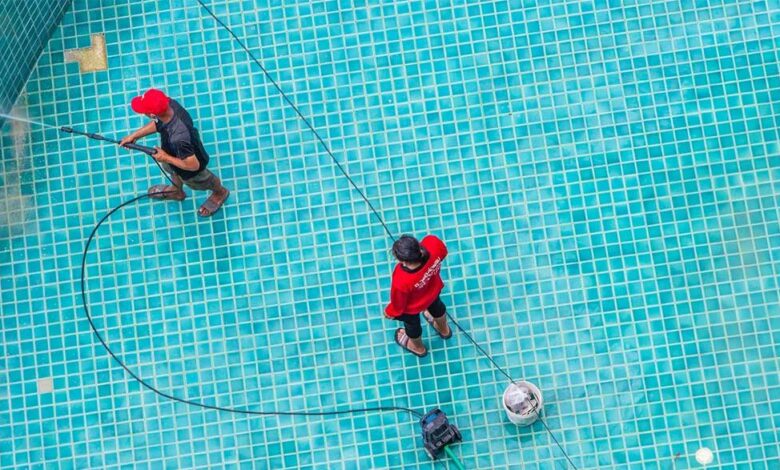
A Detailed Guide to Pool Restoration, Leak Prevention, Surface Care, and Long-Term Structural Protection

A swimming pool is a significant investment that requires regular attention to remain safe, attractive, and functional. Over time, exposure to water, chemicals, changing temperatures, sunlight, soil movement, and everyday use can affect pool surfaces and structural components. Cracks, leaks, damaged finishes, loose tiles, deteriorated sealants, and drainage problems can gradually become more serious when they are not addressed. Regular maintenance and timely repairs can help prevent minor defects from developing into costly restoration projects. Foam tile pool repairs may be considered for certain suitable repair applications when compatible materials and proper techniques are used. Understanding common pool problems and knowing how to respond can help property owners protect the structure and extend its useful life.
Understanding Pool Construction
A pool is made up of several components that work together to contain water and maintain structural stability. Depending on its construction, a pool may include concrete or another structural shell, waterproofing materials, plaster or another interior finish, tile, coping, plumbing lines, drains, lights, and mechanical equipment. Each component has a specific function, and a problem in one area can sometimes affect another. For example, a damaged waterproofing layer may allow moisture to move into surrounding materials, while a plumbing leak can cause water loss that appears to originate somewhere else. Understanding these interconnected components is important when evaluating pool damage and selecting an appropriate repair strategy.
Common Causes of Pool Damage
Pool damage can develop for many different reasons. Long-term exposure to water and pool chemicals can gradually affect certain surfaces and joints, while temperature fluctuations can cause materials to expand and contract. Soil movement may place stress on the pool shell and contribute to cracking or shifting. Falling objects, improper maintenance, and physical impact can also damage tiles and finishes. Plumbing failures may create hidden leaks that are difficult to identify from the surface. Foam tile pool repairs can address certain localized conditions, but determining the cause of damage first is important because simply repairing a visible defect may not prevent the problem from returning.
Signs That a Pool Needs Repair
Some pool problems are easy to recognize, while others develop gradually. Visible cracks in the surface, missing or loose tiles, damaged grout, discoloration, hollow-sounding areas, and deteriorating finishes can all indicate that attention may be needed. Unexplained water loss can also suggest a leak, although evaporation and normal water use should be considered before assuming there is a structural problem. Damp areas around the pool, unexpected changes in water level, or persistent moisture near equipment may provide additional clues. Early identification can help limit damage and make repairs more manageable. A professional assessment may be appropriate when the source or extent of a problem is unclear.
Inspecting Pool Surfaces
A careful inspection should cover the entire pool rather than focusing only on the most visible defect. The interior finish should be checked for cracking, discoloration, blistering, erosion, or areas that appear loose or damaged. Tiles should be examined for fractures, missing pieces, loose edges, and deteriorated grout. Pool coping and surrounding joints should also be inspected because water can enter through damaged transition areas. The condition of drains, fittings, lights, and other penetrations should be evaluated as well. A systematic inspection helps determine whether the problem is isolated or whether multiple components may require attention.
Repairing Cracks
Cracks are among the most common concerns associated with pool structures. Some cracks may be superficial and limited to the finish, while others can indicate movement or deterioration within the underlying structure. The size, location, direction, and progression of a crack can provide useful information when determining its significance. Before repairing a crack, the cause should be investigated whenever possible. Foam tile pool repairs may be appropriate in specific situations involving compatible surfaces and localized defects, but a structural crack may require a different repair method. Treating every crack in exactly the same way can result in an ineffective repair.
Addressing Water Leaks
Water leaks can be particularly difficult to locate because water may travel through cracks, plumbing systems, joints, or surrounding materials before becoming visible. A pool that consistently loses more water than expected should be evaluated carefully. The plumbing system, shell, fittings, drains, and other potential sources may need to be examined. Identifying the actual source is important because adding sealant to a visible crack may not resolve a leak caused by a damaged pipe or fitting. Foam tile pool repairs can be considered for appropriate localized surface problems, but leak detection should precede repair when the source of water loss is uncertain.
Repairing Damaged Tiles
Pool tiles contribute to both the appearance and protection of the pool surface. Individual tiles may crack, loosen, fall away, or become damaged because of impact, age, water exposure, or movement in the surrounding material. Damaged tiles should be removed carefully to avoid affecting adjacent pieces or the underlying surface. Before installing replacement tiles, the substrate should be checked for moisture, cracking, or deterioration. The replacement material should be compatible with the existing surface and suitable for continuous exposure to water and pool chemicals. Proper preparation and installation can help ensure that repaired areas remain secure and visually consistent.
Maintaining Grout and Joints
Grout joints between pool tiles can deteriorate over time. Chemical exposure, water movement, cleaning, temperature changes, and normal aging may cause grout to crack, crumble, or become discolored. Damaged grout can allow water to reach areas beneath the tile surface and may contribute to loosening or further deterioration. During maintenance, grout should be checked for gaps, cracking, missing sections, or areas that appear unusually soft. Repairing damaged joints can help maintain the integrity of the tiled surface. However, recurring grout failure may indicate movement or moisture conditions that should be investigated rather than repeatedly repaired without addressing the underlying cause.
Evaluating Pool Coping
Pool coping forms an important transition between the pool structure and the surrounding surface. It can experience physical impact, temperature changes, water exposure, and movement over time. Cracked or displaced coping can create openings through which water may enter surrounding materials. It can also present a safety concern if pieces become loose or uneven. During a pool inspection, coping should be evaluated along with the interior surface and surrounding deck. Any movement, cracking, or deterioration should be documented so that the appropriate repair method can be selected. Maintaining coping can help protect the pool edge and contribute to the overall durability of the structure.
Managing Pool Water Chemistry
Proper water chemistry is an important part of protecting pool surfaces and equipment. Water that is improperly balanced can contribute to deterioration of certain finishes, grout, metal components, and other materials. Excessive chemical levels can also create unnecessary stress on pool surfaces over time. Regular testing and appropriate adjustment can help maintain suitable conditions. Water chemistry should be managed according to the requirements of the pool system and the products being used. Foam tile pool repairs can help address certain physical defects, but maintaining balanced water conditions is equally important because ongoing chemical problems can contribute to recurring surface deterioration.
Preventing Structural Problems
Preventive care can reduce the likelihood of serious pool damage. Property owners should monitor cracks, water levels, tile condition, coping, drainage, and surrounding surfaces on a regular basis. Sudden changes in the appearance of the pool or surrounding soil may justify additional evaluation. Trees, drainage problems, and soil movement can sometimes contribute to pressure around pool structures, depending on the property’s conditions. Addressing drainage issues and maintaining surrounding areas can help reduce unnecessary moisture-related stress. Preventive maintenance allows developing concerns to be addressed before they require extensive restoration.
Choosing Appropriate Repair Materials
Pool repairs require materials that can withstand continuous exposure to water, chemicals, temperature changes, and regular use. Not every general-purpose adhesive, sealant, coating, or patching material is suitable for a pool environment. Products should be selected based on the surface being repaired and the conditions to which the material will be exposed. Manufacturer instructions should be followed carefully regarding preparation, application, curing, and water exposure. Foam tile pool repairs should use materials that are appropriate for the specific application and compatible with surrounding surfaces. Choosing suitable materials can improve repair durability and reduce the likelihood of premature failure.
Preparing Surfaces Before Repair
Proper preparation is one of the most important factors in achieving a durable repair. Surfaces may need to be cleaned thoroughly to remove dirt, algae, oils, loose material, chemical residue, and other contaminants. Damaged sections may need to be removed or shaped so that the new material can bond properly. Moisture conditions should also be considered because certain products require a dry or specifically prepared surface. Rushing the preparation process can reduce adhesion and cause the repair to fail prematurely. A carefully prepared surface provides a stronger foundation for the selected repair material and helps improve the overall quality of the completed work.
When Professional Assessment Is Necessary
Some pool repairs are relatively simple, while others require specialized knowledge and equipment. Professional assistance may be appropriate when there are unexplained leaks, extensive cracking, recurring tile failure, significant water loss, structural movement, or damage around plumbing components. A professional can examine the pool systematically and help determine whether the problem is cosmetic, surface-related, plumbing-related, or structural. Foam tile pool repairs may be suitable for certain localized problems, but a professional evaluation can help ensure that a larger underlying issue is not being overlooked. Accurate diagnosis is often more important than simply treating the most visible symptom.
Protecting the Pool During Repairs
Repair work should be performed with consideration for the surrounding pool components. Tools and equipment should be handled carefully to avoid damaging intact tiles, finishes, plumbing fittings, or coping. The repair area should be isolated or prepared according to the requirements of the selected materials. Some products require specific curing periods before they can be exposed to water or chemicals. Following these requirements is important because returning a repaired area to service too quickly can weaken the repair. Proper protection during and after the work can help ensure that the repaired section achieves its intended performance.
Developing a Preventive Maintenance Routine
A consistent maintenance routine can help property owners identify developing problems before they become major repairs. Regular checks should include water levels, visible cracks, tile condition, grout, coping, drains, fittings, equipment, and surrounding surfaces. Pool chemistry should also be monitored so that water remains within appropriate ranges. Debris should be removed, and areas that remain consistently damp should be investigated. Foam tile pool repairs may help resolve suitable localized defects, but prevention remains an important part of protecting the overall pool structure. A planned maintenance schedule can also make it easier to budget for routine care and future restoration work.
Monitoring Repairs Over Time
Completing a repair does not always mean that the area can be forgotten. Repaired sections should be monitored for signs of cracking, loosening, discoloration, water intrusion, or other changes. If the same defect returns repeatedly, the underlying cause should be reconsidered. Repeated repairs in one location may indicate movement, moisture intrusion, material incompatibility, or another condition that requires a different approach. Foam tile pool repairs can be effective when properly matched to the problem, but long-term success also depends on monitoring the repaired area and maintaining the surrounding components. Keeping records of repairs can make future assessments easier.
Final Thoughts
Maintaining a pool requires attention to both visible surfaces and the structural components beneath them. Cracked finishes, damaged tiles, deteriorated grout, leaking plumbing, compromised coping, and unexplained water loss can all affect the performance and longevity of a pool. Foam tile pool repairs can be useful for appropriate localized conditions when compatible products and proper preparation methods are used. However, successful restoration begins with identifying the actual cause of the problem rather than simply covering visible damage. Regular inspections, balanced water chemistry, timely repairs, proper surface preparation, and preventive maintenance can help reduce the risk of extensive deterioration. By taking a proactive approach to pool care and seeking professional assistance when complex problems arise, property owners can help preserve the pool’s appearance, functionality, and structural integrity for years to come.