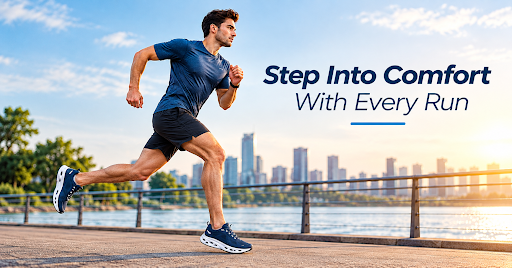

Choosing the right running shoes can make a difference in how you feel during a workout. Whether you’re a beginner building a running routine or someone who enjoys regular training, comfortable footwear can help you move with greater ease. Lightweight running shoes are a popular option because they reduce unnecessary bulk while offering features designed for everyday movement.
However, weight isn’t the only factor to consider when choosing running shoes. Cushioning, fit, breathability, flexibility, and support also matter. Understanding these features can help you find a pair that suits your running style and comfort preferences.
ALLSWIFIT offers running shoes in different styles, including lightweight designs and breathable options. Knowing what to look for can help you compare available choices and find footwear that fits your fitness routine.
What Are Lightweight Running Shoes?
Lightweight running shoes are designed to minimize unnecessary weight while providing the features runners need for everyday training. They often use lightweight upper materials and carefully designed midsoles and outsoles to create a less bulky feel.
These shoes can be suitable for different activities, depending on their construction and intended use. Some are designed for regular runs, while others may work well for gym sessions, brisk walks, or everyday wear.
When choosing a pair, consider how and where you plan to use it. A shoe designed for casual movement may not provide the cushioning or support you need for longer runs.
Benefits of Lightweight Running Shoes
Lightweight running shoes offer several potential benefits, particularly for people who prefer footwear that feels less bulky during movement.
1. Easier Movement During Runs
Heavy footwear can feel cumbersome during repeated movement. Lightweight running shoes reduce the amount of material around your feet, which may help create a more natural and comfortable running experience.
They can be worth considering if you enjoy short runs, regular training sessions, or other activities that involve frequent movement. However, a lighter shoe doesn’t automatically make you faster. Your fitness, running technique, and the shoe’s overall design also influence performance.
2. Comfort for Everyday Training
A comfortable pair of running shoes can make it easier to maintain a regular exercise routine. Lightweight designs may feel less bulky during workouts, especially when combined with suitable cushioning and a secure fit.
When comparing options, look for features that support your needs, such as a comfortable footbed, flexible construction, and an upper that doesn’t create unnecessary pressure.
3. Breathability and Reduced Bulk
Many lightweight running shoes feature mesh or other breathable upper materials. These designs can encourage airflow around the feet, helping manage heat during exercise.
Breathability is particularly useful when running in warmer weather or working out indoors. However, ventilation depends on the specific shoe’s materials and construction, so check the product details before buying.
Key Features to Look for in Lightweight Running Shoes
Not every lightweight running shoe offers the same level of comfort or support. Pay attention to these important features when comparing different pairs.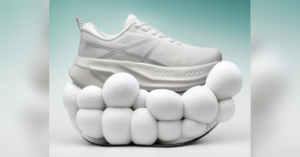
- Cushioning: Look for cushioning that feels comfortable underfoot and suits the surfaces where you usually run.
- Breathable materials: Mesh uppers can help promote airflow and improve comfort during workouts.
- Flexible construction: Shoes should allow your feet to move naturally without feeling excessively stiff.
- Secure fit: Your heel should feel stable, while your toes should have enough room to move.
- Suitable outsole grip: Choose an outsole appropriate for the surfaces where you plan to run.
The best combination depends on your individual preferences and running habits. Avoid choosing a shoe based on weight alone if it doesn’t provide the fit and cushioning you need.
How to Choose the Right Lightweight Running Shoes
Finding the right pair starts with understanding your routine. A person who runs a few miles several times a week may have different needs from someone who mainly walks, exercises at the gym, or is just beginning to run.
Consider these buying tips before making your decision.
Match the Shoes to Your Activity
Think about where you run and how often you exercise. Road running, treadmill workouts, and casual everyday movement can involve different footwear requirements.
For regular running, prioritize a comfortable fit, suitable cushioning, and dependable traction. If you want shoes for several activities, look for a versatile design that matches your most frequent use.
Get the Right Fit
Even a lightweight shoe can feel uncomfortable if it doesn’t fit properly. Try shoes with your usual running socks and check that your toes aren’t cramped.
Pay attention to any pressure around the sides of your feet or rubbing at the heel. Your foot should feel secure without being squeezed. If you have wider feet, consider styles specifically designed to provide additional room.
Consider Cushioning and Support
Lightweight construction shouldn’t mean ignoring comfort. Some runners prefer a softer, cushioned feel, while others like a firmer and more responsive experience.
Your ideal choice depends on your comfort preferences, training routine, and running surface. If you have specific foot concerns, consider getting advice from a qualified footwear specialist or healthcare professional.
Explore Lightweight Running Shoes from ALLSWIFIT
ALLSWIFIT offers running footwear in a variety of styles, making its collection worth exploring if you’re looking for lightweight designs and everyday comfort.
Here are a few options to consider when browsing the brand’s available products.
Men’s Bouncy Lightweight Running Shoes: This style is listed in ALLSWIFIT’s men’s running shoe collection. It is worth exploring if you’re looking for a lightweight running shoe, while checking the product details for information about its cushioning, fit, and intended use.
ActiveAiry Men’s Breathable Lightweight Running Shoes: This option emphasizes lightweight construction and breathability. It may appeal to shoppers who prioritize airflow when choosing running footwear.
Women’s High-Rebound Cushion Running Shoes: Listed as the ActiveLite Women’s High-Rebound Cushion Running Shoes, this style is worth considering if cushioning is an important part of your shoe selection.
Before purchasing, compare the available sizes, materials, product features, and care instructions. The right choice should match your activity level and comfort needs rather than relying on the product name alone.
Explore the ALLSWIFIT footwear collection to compare available running shoe styles.
How to Care for Your Running Shoes
Regular maintenance can help keep your shoes in good condition. After running, remove surface dirt with a soft brush or cloth and follow the manufacturer’s cleaning instructions.
Allow your shoes to air-dry in a well-ventilated area if they become damp. Avoid excessive heat, which may damage certain materials or adhesives. Check the outsole and upper regularly for signs of wear, and replace your shoes when their condition no longer provides the comfort and performance you need.
Find the Right Lightweight Running Shoes for Your Routine
Lightweight running shoes can be a practical choice for runners who prefer less bulky footwear. The right pair combines a comfortable fit with suitable cushioning, breathable materials, flexibility, and traction for your usual activities.
Before choosing, consider your running habits, preferred level of cushioning, and the surfaces where you exercise. ALLSWIFIT offers different running shoe styles to explore, making it easier to compare options based on your needs.
Ultimately, the best lightweight running shoes aren’t simply the lightest pair available. They’re the ones that feel comfortable, fit properly, and support the way you move.
Frequently Asked Questions
Are lightweight running shoes good for beginners?
Yes. Lightweight running shoes can be suitable for beginners if they offer a comfortable fit, appropriate cushioning, and support for the runner’s needs. Comfort should matter more than weight alone.
Do lightweight running shoes provide enough cushioning?
Many lightweight running shoes include cushioning, but the amount and feel vary by model. Check the product specifications and choose a design that feels comfortable for your running routine.
Can lightweight running shoes be used for walking?
Some lightweight running shoes are suitable for walking and everyday activities. However, comfort and support depend on the shoe’s design, so check whether it suits your intended use.
How often should you replace lightweight running shoes?
Replace your running shoes when the cushioning feels worn, the outsole loses its grip, or the shoes no longer feel comfortable. Replacement timing depends on your running frequency, mileage, and the surfaces you use.
What should you look for when buying lightweight running shoes?
Look for a comfortable fit, suitable cushioning, breathable materials, flexibility, and reliable traction. Choose shoes based on your running routine and the surfaces where you exercise rather than weight alone.