
Dodge vehicles are known for bold styling, strong acceleration, and performance features designed to make driving more engaging. However, not every driver has the same priorities. Some want quick acceleration and responsive handling for weekend drives, while others need an SUV that balances power with passenger space and towing capability. Choosing the right vehicle starts with understanding how different performance options fit individual driving habits. Exploring the lineup at Dodge dealers in GA can be one way to begin comparing available models, powertrains, and features.
Understanding What Performance Means to You
Performance involves much more than horsepower. Engine output matters, but so do acceleration, handling, braking, traction, ride comfort, and the ability to control the vehicle in different conditions. A powerful vehicle may be exciting on an open road, yet a driver who spends most of the week commuting may value smooth acceleration and predictable handling more.
Consider where and how you usually drive. City drivers may prefer a vehicle that feels responsive at lower speeds and remains easy to maneuver in traffic. Highway travelers might prioritize confident passing power, stability, and comfortable seating. Drivers who enjoy spirited driving may place greater importance on acceleration, steering response, and performance-oriented equipment.
Setting priorities before comparing trims helps narrow the choices and prevents horsepower figures from becoming the only deciding factor.
Dodge Charger: For Drivers Who Enjoy Muscle-Car Performance
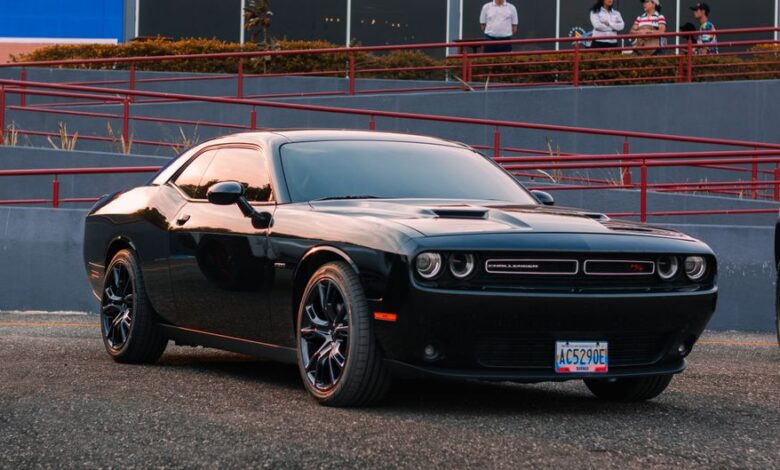
The Dodge Charger appeals to drivers who want a performance-focused vehicle with distinctive styling and strong road presence. The current Charger lineup offers different approaches to power, including gasoline-powered SIXPACK models and all-electric Daytona variants.
The Charger R/T provides a performance-oriented option for drivers who want strong acceleration without necessarily choosing the highest-output version. The Scat Pack increases the emphasis on power and driver engagement, making it worth considering for enthusiasts who want more aggressive performance.
For those interested in electric driving, the Charger Daytona offers immediate torque delivery and a different performance experience from a traditional gasoline engine. Electric power can provide rapid response when accelerating, while the vehicle’s technology and drive settings help shape the driving experience.
When comparing Charger versions, look beyond maximum horsepower. Consider the power delivery, traction system, braking equipment, driving modes, and everyday comfort. A model that feels exciting during a test drive should also suit your regular routes and driving preferences.
Dodge Durango: For Drivers Who Need Power and Space
Drivers who need passenger room and cargo flexibility may find the Dodge Durango a more suitable performance option. This SUV combines practical space with available engines that deliver substantial power.
The Durango’s available powertrains range from a V6 suited to everyday driving to HEMI V8 options designed for stronger acceleration and additional towing capability. Higher-performance versions, including the SRT Hellcat, offer considerably more power for drivers who want an SUV with exceptional straight-line performance.
The right configuration depends on how the vehicle will be used. Families may prioritize seating, storage, comfort, and safety technology. Drivers who tow a trailer may focus on engine torque, towing equipment, trailer-sway control, and the vehicle’s rated towing capacity. Performance enthusiasts may prefer a more powerful engine and upgraded suspension or braking components.
Towing ratings depend on the exact configuration and equipment. Always verify the manufacturer’s rating for the vehicle being considered, and account for passengers, cargo, and trailer weight before towing.
Comparing Engine Options and Power Delivery
Engine choice can significantly influence a vehicle’s personality. Traditional V8 engines are often associated with strong low-end torque and a distinctive exhaust sound. Turbocharged engines can deliver substantial power while using a different approach to generating performance. Electric powertrains provide immediate torque response and avoid the need for conventional gear changes in the same way as gasoline vehicles.
Each approach has trade-offs. More powerful engines may increase fuel consumption, while electric models require drivers to consider charging access, driving range, and charging time. Turbocharged engines may deliver a broad power range, but maintenance requirements and recommended fuel should also be considered.
Instead of assuming that the largest engine is automatically the best choice, compare how each option performs in situations you encounter regularly. Smooth merging, confident passing, manageable fuel costs, and comfortable daily driving can be just as important as maximum output.
Handling, Braking, and Traction Matter Too
A performance vehicle needs more than a powerful engine. Suspension design, steering response, tires, and brakes all affect how confidently a vehicle accelerates, corners, and slows down.
Sport-oriented suspension systems may help improve body control during cornering, although a firmer setup can make rough roads feel less comfortable. Upgraded brakes can provide greater stopping capability and resistance to brake fade under demanding conditions. Tire selection also influences grip, road noise, ride comfort, and performance in wet weather.
Traction is another important consideration. All-wheel drive can help distribute power to improve grip in changing conditions, while rear-wheel-drive characteristics may appeal to drivers who enjoy a more traditional muscle-car feel. The benefits depend on the vehicle, tires, road surface, and weather. No drivetrain eliminates the need for safe speeds and appropriate tires.
Technology That Supports the Driving Experience
Modern performance vehicles may include selectable drive modes, performance displays, paddle shifters, launch-control features, and driver-assistance systems. These technologies can make a vehicle more adaptable to different driving situations.
Sport modes may sharpen throttle response or adjust transmission behavior, while other settings can prioritize comfort or efficiency. Performance displays can help drivers monitor vehicle information, and available driver-assistance features may support awareness during everyday travel.
Drivers should understand how these systems work before relying on them. Performance functions are intended for appropriate conditions, and certain features may only be suitable for controlled environments. Public roads require attention to traffic laws, road conditions, and the safety of everyone nearby.
Match Your Budget to Your Performance Priorities
The purchase price is only one part of owning a performance vehicle. Insurance, fuel or charging, tires, maintenance, brakes, and potential repairs can all affect the long-term cost.
Higher-output versions may require more expensive tires or other performance components. Larger wheels can also influence replacement costs and ride comfort. Electric models have different operating considerations, including charging equipment and access to convenient charging locations.
Before choosing a trim, compare the features you genuinely need with the additional cost of upgrades. A moderately powered model with the right comfort and handling features may be a better match than a top-tier version whose capabilities you rarely use.
How to Compare Dodge Models Before Making a Decision
A structured comparison makes it easier to identify the best fit. Start by selecting the vehicle type that suits your needs, then compare available engines, power output, drivetrain, safety technology, and comfort features.
During a test drive, pay attention to acceleration, braking feel, steering response, visibility, seating position, and how easily the vehicle handles everyday roads. If you regularly carry passengers or equipment, evaluate cabin space and cargo access as well.
Confirm the model year, trim, installed options, warranty coverage, and vehicle specifications before making a final decision. Features and powertrain availability can vary between model years and configurations, so information for one version should not automatically be applied to another.
Conclusion
Dodge performance options appeal to different kinds of drivers, from muscle-car enthusiasts who value quick acceleration to families and travelers who need an SUV with power and versatility. The Charger offers a range of performance experiences, while the Durango combines passenger practicality with several engine choices. The best match depends on how you drive, what features matter most, and what you can comfortably afford to maintain. By comparing power delivery, handling, technology, everyday comfort, and ownership costs, drivers can choose a Dodge that delivers the right balance of excitement and practicality.