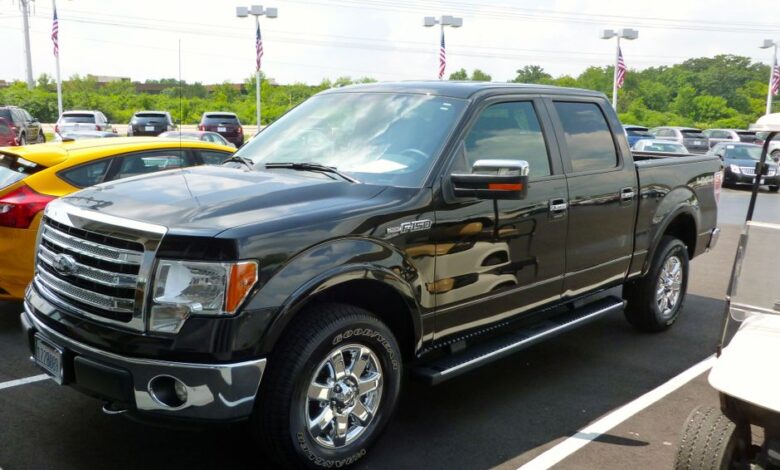

Choosing one vehicle for professional responsibilities and family activities can be challenging. A work vehicle needs to carry equipment, transport materials, and handle demanding tasks, while a family vehicle should provide comfort, passenger space, and useful safety features. The Ford F-150 aims to bring these qualities together in a full-size pickup truck. For drivers comparing available configurations, exploring a F150 for sale in PA can help them understand which options may suit their work requirements and everyday family routines.
The F-150 offers different cab styles, bed lengths, engines, and trim levels, allowing buyers to prioritize specific needs. However, its practicality depends on how frequently you haul cargo, how many passengers you carry, and whether the size and operating costs fit your lifestyle.
Work Capability for Everyday Tasks
One of the F-150’s biggest advantages is its ability to handle a variety of work-related tasks. The pickup bed provides space for tools, landscaping supplies, lumber, and other materials that may not fit inside a conventional passenger vehicle.
Different bed lengths offer flexibility for different jobs. A longer bed can be useful for contractors and homeowners who regularly transport lengthy materials, while a shorter bed may be easier to maneuver in parking lots and residential driveways.
Payload capacity is especially important when choosing a truck for work. Payload includes the weight of passengers, cargo, and certain accessories carried by the vehicle. Buyers should check the specific truck’s payload rating rather than assuming all F-150 models can carry the same load.
For people who use their trucks on job sites, practical features such as cargo tie-downs, bed lighting, and available storage solutions can make loading and unloading more convenient. Selecting equipment that matches your daily tasks helps make the truck useful without adding unnecessary cost.
Towing Capability for Work and Recreation
The Ford F-150 can also serve drivers who need to tow equipment during the week and recreational trailers on weekends. Depending on the model year, engine, drivetrain, and towing equipment, the truck can be configured for a range of trailer weights.
Some properly equipped 2026 F-150 configurations offer maximum towing ratings of up to 13,500 pounds. This figure applies to specific configurations and is not the capacity of every F-150. Actual towing capability depends on the vehicle’s equipment, passenger and cargo weight, and other factors.
Available towing technologies may include trailer brake controllers, hitch assistance, trailer backup assistance, and cameras designed to improve visibility. These features can make connecting and maneuvering a trailer easier, although drivers still need to understand safe towing procedures.
If you plan to tow a work trailer during the week and a camper or boat for family trips, compare the weights of both trailers. Make sure the truck meets the requirements for your heaviest regular load, including payload, hitch weight, and applicable vehicle and trailer ratings.
Passenger Space for Family Travel
A pickup truck must offer more than hauling capability if it is going to serve as the main family vehicle. The F-150 is available in different cab configurations, including SuperCab and SuperCrew, depending on the model and trim.
The SuperCrew configuration provides four full-size doors and a spacious second row, making it a useful option for families who regularly transport children or adult passengers. Rear-seat space can also be helpful for backpacks, sports equipment, and other items that need to remain inside the cabin.
Before choosing a configuration, consider how often you carry passengers. Families with children should check rear-seat access and confirm that child safety seats fit correctly. If you frequently travel with several passengers, test the seating arrangement rather than relying on dimensions alone.
A larger cab can improve passenger comfort, but it may come with a shorter bed in some configurations. Buyers should balance interior space against their cargo requirements to find a practical combination.
Comfort for Long Drives
A vehicle used for work and family travel may spend considerable time on highways, local roads, and residential streets. Cabin comfort can make a meaningful difference during long commutes and weekend journeys.
Depending on the trim, the F-150 may offer power-adjustable seats, heated and ventilated front seats, dual-zone climate control, and upgraded audio systems. These features can make daily driving more comfortable, particularly when several people use the truck.
Ride quality is another factor to consider. The F-150 is a full-size pickup, so its driving feel may differ from that of a sedan or crossover. Its size can also make tight parking spaces, narrow streets, and crowded garages more challenging.
A test drive should include the types of roads you regularly use. Pay attention to steering, braking, cabin noise, visibility, and how easily you can park. If possible, bring family members along to assess rear-seat comfort and access.
Technology That Supports Work and Family Life
Modern trucks can offer technology that helps drivers manage both professional and personal responsibilities. Depending on the F-150’s model year and equipment, features may include a touchscreen infotainment system, smartphone integration, navigation, and voice controls.
For work, available productivity features can help drivers organize tasks while parked. Certain configurations also offer Pro Power Onboard, which supplies electrical power through built-in outlets for compatible tools and devices. Output depends on the selected powertrain and equipment.
Family-focused technology may include rearview cameras, parking assistance, and available driver-assistance systems. These features can support awareness when maneuvering a large vehicle or driving in busy traffic.
Technology packages differ between trims, so check the equipment list carefully. Consider which features you will actually use rather than assuming every F-150 includes the same systems.
Safety for Daily Driving
Safety should be a priority when a truck carries family members and work equipment. The F-150 offers various safety and driver-assistance features, with availability depending on the model year and trim.
Features on equipped models may include automatic emergency braking, forward collision alerts, lane-keeping assistance, blind-spot monitoring, and adaptive cruise control. Certain configurations may also offer Ford BlueCruise, a hands-free highway driving system designed for use on designated sections of compatible roads under specified conditions.
These systems can provide additional assistance, but they do not eliminate driving risks or replace the need to pay attention. Drivers should learn how each feature works and understand its limitations.
Safe cargo handling is equally important. Secure tools and equipment in the bed, keep heavy items within the truck’s payload limits, and avoid leaving loose objects in the passenger cabin. Proper loading helps protect both occupants and other road users.
Fuel Economy and Ownership Costs
Practicality also depends on the cost of owning and operating a truck. Fuel expenses, insurance, maintenance, tires, and financing should all be considered before making a decision.
The F-150 has offered several engine options, including turbocharged V6 engines, a V8, and a hybrid powertrain on applicable model years. Each configuration offers a different balance of performance, efficiency, and capability.
A truck equipped for heavy towing may be appropriate for demanding work, but it may not be the most economical choice for someone who rarely hauls or tows. Compare fuel economy estimates and consider how much of your driving involves city traffic, highway travel, or carrying heavy loads.
Maintenance costs can also vary with tires, engine configuration, and how the truck is used. Following the recommended maintenance schedule and addressing problems promptly can help preserve its condition over time.
Choosing the Right F-150 Configuration
The most practical F-150 is the one that fits your actual routine. Start by listing your work requirements, passenger needs, towing plans, and budget.
A work-focused trim may provide the essential capability you need without adding expensive luxury features. A higher trim may be worthwhile if you regularly transport family members and value additional comfort and convenience.
Compare the truck’s cab size, bed length, engine, payload rating, towing capacity, and safety equipment. If you are considering a used F-150, review its maintenance records, vehicle history, condition, and remaining warranty coverage.
A thorough test drive and a careful review of specifications can help you avoid choosing a truck that is either insufficient for your work or larger and more expensive than your routine requires.
Conclusion
The Ford F-150 can be a practical choice for drivers who need one vehicle for work and family travel. Its cargo bed, available towing equipment, spacious SuperCrew configuration, and range of comfort and technology features make it adaptable to many daily responsibilities.
The key is to select the right configuration and understand its limits. Consider your regular cargo, towing needs, passenger requirements, fuel budget, and parking situation before making a decision. With careful comparison, you can determine whether the F-150 offers the right balance of capability, comfort, and everyday usefulness for your lifestyle.