
You spot a few dark patches on your bedroom wall. Your first thought: “I’ll just cover it with a nice new wallpaper.” It’s tempting, but it’s one of the most common (and costly) renovation mistakes in Singapore homes.
Our humid climate, afternoon downpours and enclosed HDB and condo layouts make wall problems a regular headache. In this guide, you’ll learn when you can wallpaper over a surface, when you absolutely shouldn’t, and how to prepare your walls so your wallpaper in Singapore looks great for years.
Why Wall Condition Matters for Wallpaper in Singapore
Wallpaper is only as good as the surface beneath it. Adhesive needs a clean, dry, stable wall to grip properly.
Singapore’s average relative humidity often sits between 70% and 90%. That moisture can seep into walls, weaken adhesive and encourage mould growth behind wallpaper. A beautiful finish on day one can turn into peeling corners and musty smells within months.
Whether you’re doing a DIY project or hiring a professional installer through a wallpaper Singapore supplier, wall preparation is what separates a lasting result from a disappointing one.
Can You Wallpaper Over Mould?
Short answer: No.
Covering mould with wallpaper doesn’t remove it. It traps moisture and gives mould a warm, dark space to spread.
What Happens If You Cover Mould
- Black or green spots may bleed through the wallpaper
- Mould spreads behind the paper and weakens the adhesive
- The wall develops a persistent musty odour
- Wallpaper bubbles, stains or peels off within weeks
Mould can also affect indoor air quality. This matters if anyone at home has asthma, allergies or young children.
How to Treat Mould Before Wallpapering
- Find and fix the cause first. Look for leaking pipes, poor ventilation or condensation near windows and bathrooms.
- Wear protection. Use gloves, a mask and eye protection.
- Clean the area. Scrub with a mould-removal solution or a diluted bleach mixture, following product instructions.
- Rinse and dry completely. Allow several days if needed.
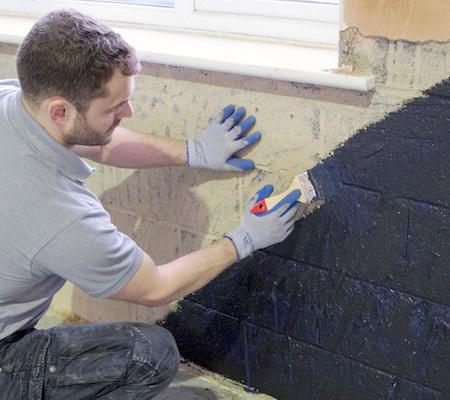
- Apply an anti-mould primer. This helps prevent regrowth.
If mould covers a large area (roughly larger than 1 square metre) or keeps returning, call a professional. It often signals a deeper moisture issue.
Can You Wallpaper Over Damp Walls?
Short answer: Not until the wall is completely dry.
Damp walls are the number one cause of wallpaper failure. Moisture pushes against the paper from behind, causing bubbles, stains and loose seams.
Signs of a Damp Wall
- Peeling or bubbling paint
- White, powdery deposits (efflorescence)
- Dark or discoloured patches
- A cold, clammy feel to the touch
- A damp, earthy smell
Quick Damp Test
Tape a small square of aluminium foil or clear plastic to the wall, sealing all edges. Leave it for 24 to 48 hours. If moisture forms under the foil, the wall is still damp. If the wall side looks dry but the outer surface has droplets, the cause is likely condensation in the room.
Common Causes in Singapore Homes
| Cause | Typical Location | Solution |
| Leaking pipes or waterproofing failure | Bathrooms, kitchens, adjacent walls | Repair leak, dry wall fully |
| Rainwater seepage | Window frames, external walls, top-floor units | Reseal windows, repair cracks |
| Condensation | Bedrooms with aircon, poorly ventilated rooms | Improve airflow, use a dehumidifier |
| Rising moisture | Ground-floor units | Seek professional assessment |
Once the source is fixed, let the wall dry fully before you do anything else. Rushing this step is where most people go wrong.
Can You Wallpaper Over Old Paint?
Short answer: Yes, in most cases, if the paint is in good condition.
Wallpapering over old paint is very common and usually works well. The key is whether the paint is firmly attached and the surface is clean.
When It’s Safe
- Paint is smooth, intact and well bonded to the wall
- The surface is clean, dry and free from grease or dust
- There are no cracks, flaking areas or damp patches
When You Should Prepare First
- Peeling or flaking paint: Scrape and sand until smooth, then patch and prime
- Glossy paint: Lightly sand to help the adhesive grip
- Textured paint: Skim coat or sand down, since texture can show through thinner wallpaper
- Dark or bold colours: Use a primer or liner paper so the colour doesn’t show through
Pro Tip: Always Use a Primer
A wallpaper primer or sizing coat helps adhesive bond better, makes future removal easier and adds a layer of protection against moisture. Many of the best results with SG Wallpaper installs come from this one extra step.
Step-by-Step: How to Prepare Your Walls for Wallpaper
Follow these steps for a flawless finish.
- Inspect the wall. Check for mould, damp, cracks and loose paint.
- Fix underlying issues. Repair leaks and seal gaps before anything else.
- Clean the surface. Wipe with a mild detergent solution to remove dust and grease.
- Scrape and sand. Remove flaking paint and smooth rough patches.
- Fill holes and cracks. Use filler, then sand flush.
- Apply primer. Let it dry fully, following the manufacturer’s guidance.
- Hang your wallpaper. Start from a straight vertical guide line for neat alignment.
Choosing the Right Wallpaper for Humid Homes
Not every wallpaper suits Singapore’s climate. Your choice matters, especially for rooms prone to moisture.
- Vinyl wallpaper: Water-resistant, wipeable and a popular choice for humid conditions
- Non-woven wallpaper: Breathable, easy to hang and easy to remove
- PVC-free or eco-friendly options: Good for bedrooms and nurseries
- Avoid: Delicate paper or fabric-backed wallpaper in bathrooms or damp-prone areas
Reputable suppliers of wallpaper Singapore homeowners trust can advise on materials suited to your home’s conditions, so ask before you buy.
Real-Life Scenario: A Common Mistake
Consider a homeowner in a Tampines HDB flat who notices faint discolouration on a bedroom wall. They wallpaper over it, assuming it’s just old paint staining.
Three months later, the paper bubbles and a musty smell appears. Behind it is an active leak from the neighbouring bathroom. The wall needs repair, the wallpaper is ruined, and the homeowner pays twice. A short investigation upfront would have saved time and money.
Key Takeaways
- Never wallpaper over mould. Remove it, fix the cause and prime the wall first.
- Damp walls must be fully dry before you apply any wallpaper.
- Old paint is fine if it’s smooth, clean and firmly attached.
- Use primer for better adhesion, protection and easier future removal.
- Choose moisture-friendly materials like vinyl or non-woven wallpaper for humid areas.
- Get a professional opinion if mould or damp keeps returning.
Conclusion
Wallpaper can transform a room, but only if the wall underneath is ready. Mould and damp need proper treatment first, while sound old paint usually works well with a little preparation.
Taking the time to inspect, repair and prime your walls protects your investment and keeps your home healthy. If you’re unsure about your walls or the right wallpaper for your space, speak to an experienced installer.
Ready to refresh your home? Browse our collection of SG Wallpaper designs or contact our team for a free consultation and wall assessment today.
Frequently Asked Questions
1. Can I use wallpaper to hide stains on my wall?
Only if the stains are dry, old and not caused by active damp or mould. Use a stain-blocking primer first, or the marks may bleed through.
2. How long should I wait for a wall to dry before wallpapering?
It depends on the severity, but typically several days to a few weeks after the leak is fixed. Use the foil test or a moisture meter to confirm dryness.
3. Do I need to remove old wallpaper before applying new wallpaper?
Usually yes. Old layers can lift, show seams through the new paper and hide moisture problems. Strip, clean and prime the wall first.
4. Is wallpaper suitable for Singapore’s humid weather?
Yes, when you choose the right material and prepare the wall properly. Vinyl and non-woven options perform well, especially with good ventilation.
5. Can I wallpaper a bathroom?
You can in well-ventilated bathrooms, away from direct water splashes, using moisture-resistant vinyl wallpaper. Avoid shower areas and constantly wet walls.