
Branded merchandise used to mean a tote bag full of pens, stress balls and keychains handed out at a trade show booth. Most of it ended up in a drawer by the end of the week.
That picture is changing. Companies now think harder about what carries their logo, who receives it and whether anyone will actually use it. The result is merch that looks less like a giveaway and more like something people would pick for themselves.
Here are five shifts shaping company merchandise this year.
1. Fewer Items, Better Quality
The biggest change is in volume per person. Instead of five cheap items, companies are choosing one or two pieces that last: an insulated tumbler, a heavyweight hoodie, a well-made backpack. A single item someone uses every day does more for a brand than a bag of things that get thrown away.
That does not mean smaller orders overall. Businesses still buy in bulk for teams, events and clients, but the money goes into better products. Suppliers such as Logotech, which focus on bulk orders of branded products, make it practical to give a whole team the same quality item instead of a mix of extras. Buyers are paying closer attention to materials, durability and decoration methods, not just the price per unit.
2. Branding Gets Quieter
Big, bright logos across the chest are giving way to subtler designs. A small embroidered mark at the left chest, a tone-on-tone print or a debossed logo on a leather notebook now feels more premium than a loud graphic.
The logic is simple. People wear and carry items they like the look of. When the design is tasteful, the merch leaves the office and gets seen at the gym, at the airport and on weekend errands, which is exactly where a brand wants to be.
3. Merch Ships to the Home Address
With hybrid and remote work now normal, a box of shirts delivered to one office no longer reaches everyone. Companies are planning merch around where people actually are, which often means dozens of home addresses across several states or countries.
That has changed how orders are built. Sizes are collected in advance, items are chosen partly for how well they ship, and welcome kits for new hires are timed to arrive before the first day. For remote employees, that box on the doorstep is often their first physical contact with the company.
4. Tech Merch That Carries Content
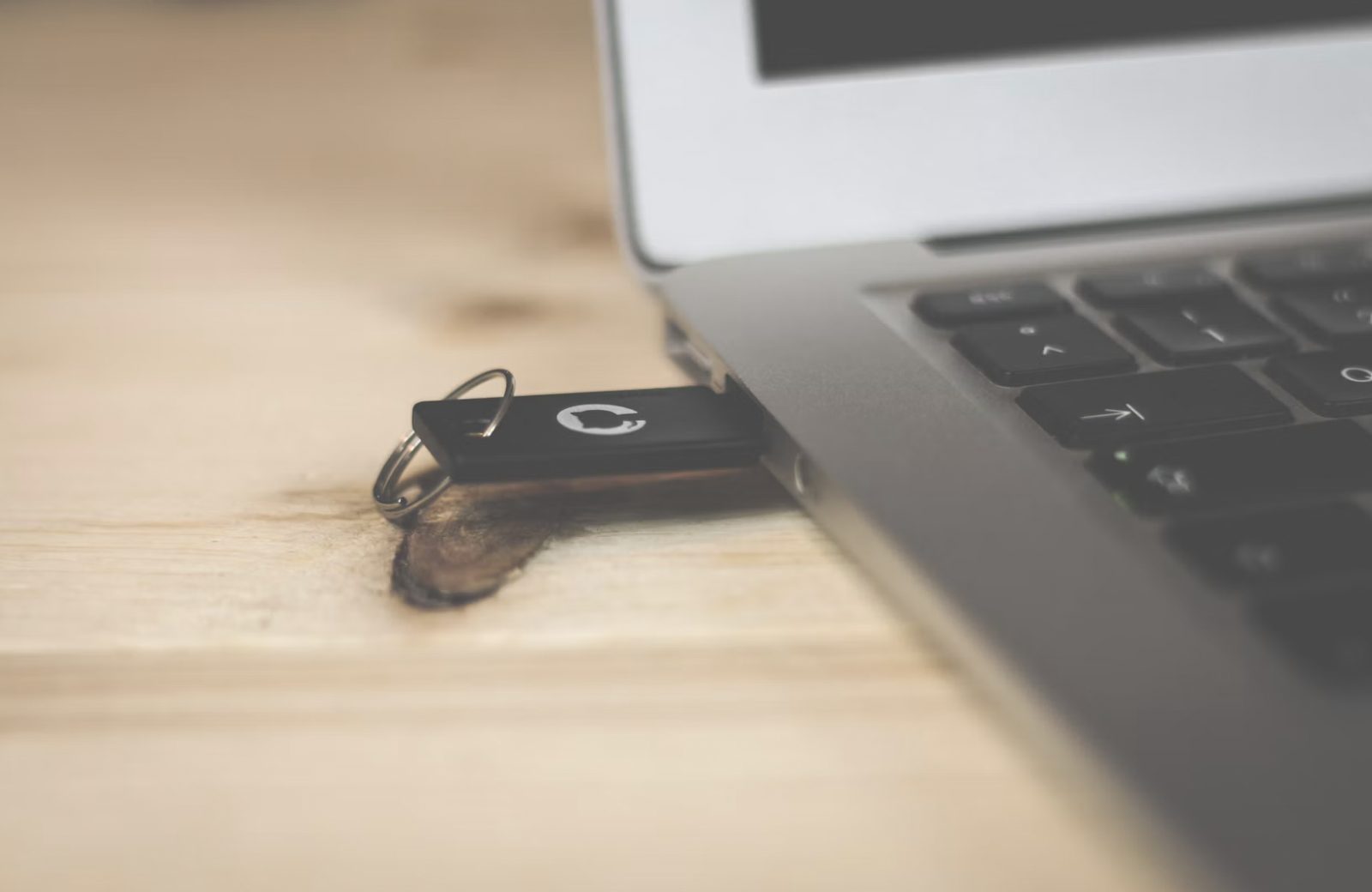
Tech accessories have long been popular giveaways, but the more interesting trend is tech that delivers something useful beyond the logo. A branded flash drive preloaded with a product catalog, a press kit, training materials or event photos turns a small object into a way to hand over information that people keep.
This works especially well where internet access is unreliable or file sharing is restricted, such as trade show floors, conferences, schools and regulated industries. Custom shapes add another layer: a drive in the form of a mascot, a product or a vehicle is far more memorable than a plain stick, and it stays on the desk instead of in a drawer.
5. Kits Built Around Moments
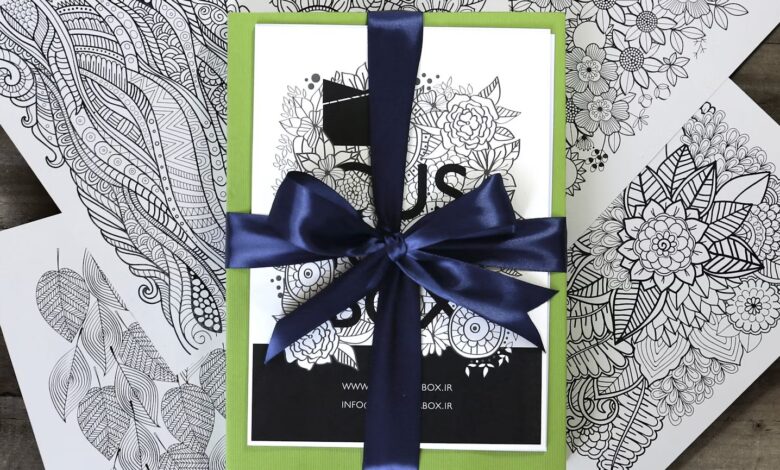
Single items are increasingly bundled into kits designed for a specific moment: onboarding a new hire, celebrating a work anniversary, launching a product or thanking a client at the end of the year. A kit might combine a tumbler, a notebook and pen, and a soft layer in one box with a short note.
The moment gives the merch a reason to exist. A hoodie on its own is a nice gesture. The same hoodie arriving the week someone joins, alongside everything they need for their first day, tells them the company planned for their arrival.
Merch That Earns Its Place
The thread running through all five trends is usefulness. Companies are spending on items people keep, designing them to be worn and carried in public, and sending them at moments that mean something.
For businesses planning their next order, the question is no longer how much branded stuff to hand out. It is which few things are worth putting a name on.