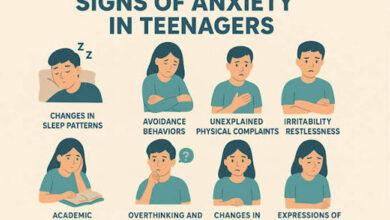
Most people expect depression to lift after a few weeks, the way a bad cold does. When it does not, when low mood, exhaustion, and a flattened sense of meaning stretch on for months or years, something more serious is at work. Chronic depression is one of the most underdiagnosed and undertreated conditions in mental health, partly because those who live with it often stop expecting things to improve. That quiet resignation is itself a symptom, not a verdict. Understanding what chronic depression actually is, how it differs from ordinary sadness or a temporary rough patch, and what science says about recovery can change the picture entirely.
What Makes Depression “Chronic”
Depression becomes chronic when depressive symptoms persist for two years or longer without a sustained remission of more than two months. That two-year mark is not arbitrary. It is the threshold clinicians use to distinguish episodic major depression, which often resolves with treatment or on its own, from forms of depression that have settled in and require a different level of attention.
Persistent Depressive Disorder, formerly called dysthymia, is the most common chronic form. Its symptoms tend to be less dramatic than a major depressive episode but far more entrenched. Some people describe it as feeling like they have never really been okay, as though the baseline everyone else seems to operate from is simply not available to them. Others experience what clinicians call “double depression,” where a major depressive episode occurs on top of an already-present persistent low mood, creating a compounding effect that is particularly difficult to manage.
Types of Chronic Depression at a Glance
| Type | Duration Criterion | Symptom Intensity | Key Feature |
| Persistent Depressive Disorder (PDD) | 2+ years | Mild to moderate | Continuous low mood, rarely feels “normal” |
| Chronic Major Depressive Disorder | 2+ years with ongoing episodes | Moderate to severe | Recurring major episodes without full remission |
| Double Depression | PDD plus a major episode | Severe during episodes | Low baseline mood with acute worsening |
| Treatment-Resistant Depression | Varies | Moderate to severe | Fails to respond to multiple standard treatments |
Who Is Most Vulnerable and Why
Chronic depression does not discriminate by age, profession, or circumstance, but certain factors raise the risk considerably. Genetics play a meaningful role. Research published in Nature Genetics has identified hundreds of genetic variants associated with major depression, and family history remains one of the strongest predictors of both onset and chronicity. That said, genes set a probability, not a destiny.
Early adverse experiences, including childhood trauma, neglect, or prolonged stress, appear to alter stress-response systems in ways that make the brain more reactive to future hardship. Adults who experienced significant adversity before age 18 are roughly two to three times more likely to develop chronic rather than episodic depression, according to data from the CDC’s Adverse Childhood Experiences study.
Medical conditions also contribute. Chronic pain, cardiovascular disease, diabetes, and thyroid disorders all share bidirectional relationships with depression, each one capable of worsening the other. This is one reason why a thorough physical workup is a standard first step when someone presents with prolonged depressive symptoms. An underactive thyroid, for instance, can produce a symptom profile nearly identical to depression and is easily treated once identified.
Occupational and Social Risk Factors
Certain occupations carry disproportionately high rates of chronic depression. First responders, healthcare workers, and military veterans face repeated exposure to trauma, irregular sleep schedules, and a culture that historically discouraged help-seeking. Social isolation, financial insecurity, and lack of access to consistent mental health care amplify these risks across all demographics. The relationship is cumulative: each unaddressed stressor raises the odds that a depressive episode will not fully resolve.
Recognizing the Signs That Linger
Because persistent depression can feel like a personality trait rather than an illness, many people miss the warning signs. Knowing what to look for, in yourself or someone you care about, matters a great deal.
- Persistent low mood or emotional emptiness lasting most of the day, nearly every day
- Chronic fatigue that does not improve with rest
- Difficulty concentrating, remembering details, or making routine decisions
- Changes in sleep patterns, either sleeping too much or struggling to sleep at all
- Appetite changes leading to unintended weight gain or loss
- Loss of interest in activities that once felt meaningful or enjoyable
- Feelings of hopelessness, worthlessness, or excessive guilt
- Withdrawal from social relationships and responsibilities
- Irritability or low frustration tolerance, particularly in men and adolescents
- Recurrent thoughts about death or dying, even without an active plan
One symptom deserves particular attention: hopelessness. Unlike sadness, which fluctuates, hopelessness tends to be stable and self-reinforcing. It convinces people that nothing will change, which makes them less likely to seek help, which means nothing changes. Breaking that loop often requires outside intervention.
Evidence-Based Approaches to Long-Term Recovery
Recovery from chronic depression is achievable, though it typically requires a more comprehensive approach than a single medication or a short course of therapy. The research consistently shows that combined treatment, meaning psychotherapy alongside pharmacotherapy when appropriate, produces better outcomes than either alone for persistent forms of depression.
Cognitive Behavioral Therapy remains one of the most studied psychotherapies for depression. It helps people identify and shift the thought patterns that sustain low mood. Behavioral activation, a component of CBT, specifically targets the withdrawal and avoidance behaviors that keep depression going. Another well-supported approach is the Cognitive Behavioral Analysis System of Psychotherapy, or CBASP, which was designed specifically for chronic forms of the disorder and focuses on the connection between interpersonal patterns and depressive episodes.
On the medication side, antidepressants from the SSRI and SNRI classes are frequently used as first-line options. For people who do not respond adequately to initial trials, clinicians may consider augmentation strategies, atypical antidepressants, or newer interventions. Specialized programs focused on treating chronic depression often use a structured diagnostic process to match individuals with the most appropriate combination of approaches, rather than relying on trial and error.
Lifestyle Factors That Support Treatment
Formal treatment works better when it is supported by consistent lifestyle practices. Sleep is foundational. Even small improvements in sleep quality can noticeably affect mood stability, concentration, and resilience. Exercise has earned a substantial evidence base as well: a meta-analysis in the journal JAMA Psychiatry found that physical activity significantly reduced depressive symptoms across multiple study populations, with aerobic exercise showing particularly strong effects.
- Maintain a consistent sleep and wake schedule, even on weekends
- Engage in moderate aerobic exercise at least three to four times per week
- Limit alcohol, which is a central nervous system depressant that disrupts mood regulation
- Prioritize social contact, even brief interactions, to counter the pull of withdrawal
- Build structure into daily routines to reduce the cognitive load that depression amplifies
- Practice stress-reduction techniques such as mindfulness, breathing exercises, or progressive muscle relaxation
When to Seek Professional Help
A useful rule of thumb: if low mood, fatigue, or emotional numbness has persisted for more than two weeks and is affecting your ability to function at work, in relationships, or in daily tasks, that is a signal worth taking seriously. You do not need to wait until things feel catastrophic. Early intervention consistently produces better outcomes than delayed treatment across nearly every mental health condition studied.
If you are experiencing thoughts of suicide or self-harm, contact the 988 Suicide and Crisis Lifeline by calling or texting 988. Trained counselors are available around the clock. For non-crisis support, a primary care physician is often the first practical step, since they can rule out medical causes and provide referrals to mental health specialists.
Chronic depression is not a character flaw or a failure of willpower. It is a recognized medical condition with identifiable patterns, well-studied mechanisms, and a growing toolkit of effective interventions. The fact that it has lasted a long time does not mean it has to last forever. With the right support, sustained remission is a realistic goal, and for many people, it becomes a reality.