
A good skin care routine does not have to involve a bathroom cabinet overflowing with products. In fact, effective home skin care often comes down to consistency, understanding your skin’s needs, and choosing products and tools that complement your daily lifestyle. From gentle cleansing and moisturizing to targeted treatments and sun protection, a thoughtful routine can help your skin look and feel its best without requiring a complicated schedule.
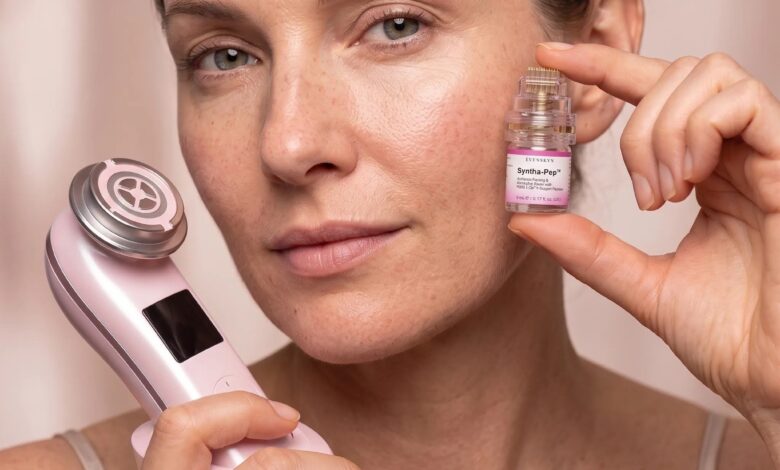
For people who want to take their routine a step further, lumo-microinfuser technology offers another option to explore as part of an at-home beauty regimen. The Lumo+ and MicroInfuser duo combines a radiofrequency handset with a separate micro-infusion system, designed to be used according to the manufacturer’s instructions.
Why Home Skin Care Matters
Your skin is exposed to environmental factors every day, including sunlight, dry air, pollution, temperature changes, and makeup. A consistent routine can help maintain the skin barrier and support a comfortable, balanced appearance.
Professional treatments can certainly be useful, but a well-planned home routine has an important advantage: consistency. Spending a few minutes caring for your skin each morning and evening is often easier to maintain than relying entirely on occasional treatments.
The goal should not be to use as many products as possible. Instead, focus on creating a routine that addresses your individual concerns without unnecessarily irritating the skin.
Start With the Basics
A practical home skin care routine can include four fundamental steps:
- Cleanse: Remove dirt, excess oil, sunscreen, and makeup with a gentle cleanser.
- Hydrate: Use a moisturizer suited to your skin type.
- Protect: Apply broad-spectrum sunscreen during the day.
- Treat: Add targeted products or beauty devices when appropriate.
These basic steps provide a foundation before introducing more advanced treatments.
Understanding Your Skin Before Adding Treatments
One of the most common mistakes in skin care is changing too many things at once. When several new products are introduced simultaneously, it becomes difficult to know what is helping or what may be causing irritation.
Instead, introduce new products gradually. Pay attention to how your skin responds, particularly if you have sensitive or reactive skin.
Dry Skin
Dry skin may benefit from gentle cleansing and richer moisturizers containing ingredients designed to support hydration. Avoid excessively hot water and aggressive scrubbing, both of which can leave the skin feeling uncomfortable.
Oily or Combination Skin
Oily skin still needs moisture. Trying to remove every trace of oil can sometimes leave the skin feeling tight and uncomfortable. A lightweight, non-comedogenic moisturizer may be a better approach.
Sensitive Skin
With sensitive skin, simplicity is often useful. Fragrance-free products and fewer active ingredients may make it easier to maintain a comfortable routine. Before using a new active ingredient or device, follow its instructions carefully and consider professional advice if you have an existing skin condition.
Where At-Home Beauty Devices Fit Into a Routine
Technology has become an increasingly visible part of modern home skin care. Instead of replacing cleansing, moisturizing, or sun protection, beauty devices can be viewed as optional additions to an established routine.
Even Skyn, for example, offers several at-home skin care devices designed around different cosmetic routines. Its Lumo+ device uses bipolar radiofrequency alongside EMS and LED features, while the MicroInfuser is designed for a separate micro-infusion step.
The important point is to understand what a device actually does rather than assuming that every beauty gadget works in the same way.
Lumo+ and MicroInfuser: Two Different Steps
The Lumo+ and MicroInfuser are designed to perform different functions. According to the product information, Lumo+ uses bipolar radiofrequency, EMS, and red and blue LEDs, while the MicroInfuser uses a fixed 0.5 mm treatment head with single-use heads and sealed serum ampoules.
The manufacturer describes the sequence as using Lumo+ first and the MicroInfuser afterward, with a minimum 24-hour period before additional radiofrequency, ultrasound, or EMS following a micro-infusion session. Users should always follow the current product manual and instructions rather than improvising a treatment schedule.
It is also important to distinguish this type of at-home routine from professional RF microneedling. The product manufacturer specifically states that the Lumo+ and MicroInfuser are not a clinical RF microneedling procedure and should not be considered equivalent to one.
Creating a Practical Weekly Skin Care Schedule
A home routine becomes easier when it fits naturally into your schedule. Instead of treating skin care as another major task, create a simple structure.
Morning
Start with a gentle cleanse if needed, followed by moisturizer and sunscreen. If your skin tolerates additional products, a targeted serum can be incorporated according to its instructions.
Evening
Remove makeup and sunscreen thoroughly, cleanse the skin, and apply your chosen evening products. This is also a convenient time to use an at-home beauty device when its instructions call for evening use.
Treatment Days
If you use a device such as a micro-infusion system, prepare the treatment area carefully. The Lumo+ and MicroInfuser product instructions recommend cleansing and drying the face, washing your hands, and sanitizing the treatment area before use. The MicroInfuser should not be used over areas such as active breakouts, open wounds, inflamed skin, raised scars, or the eyelids.
Following preparation and aftercare instructions is just as important as the treatment itself.
Don’t Forget the Most Important Daily Step: Sun Protection
Even an advanced skin care routine needs a strong foundation, and daily sun protection is one of the most practical habits to maintain.
UV exposure can contribute to visible changes in skin appearance over time, including uneven-looking tone and premature signs of aging. A broad-spectrum sunscreen used as directed can therefore be an important part of a comprehensive routine.
It also makes sense to consider lifestyle habits alongside topical products. Wearing protective clothing, seeking shade, and limiting unnecessary direct sun exposure can complement sunscreen use.
How to Avoid Overcomplicating Home Skin Care
More products do not automatically mean better results. A routine containing multiple exfoliants, retinoids, acids, masks, serums, and devices may become difficult to manage—and may increase the possibility of irritation.
A better approach is to build gradually:
Step 1: Establish cleansing, moisturizing, and sun protection.
Step 2: Identify one specific cosmetic concern.
Step 3: Add one targeted product or treatment.
Step 4: Give your skin time to adjust.
Step 5: Review your routine instead of constantly adding new products.
For additional lifestyle and beauty inspiration, readers can also explore other relevant content available on Trendify Magazine.
The Importance of Consistency
Skin care is rarely about one dramatic change. A sustainable routine is usually built around small habits repeated over time.
That means cleansing even when you’re tired, applying sunscreen before heading outside, moisturizing regularly, and using treatments according to their recommended schedules. If you choose an at-home device, storing it properly and following its cleaning and replacement instructions can also make the routine easier to maintain.
The Lumo+ and MicroInfuser, for example, are designed around separate schedules rather than continuous daily use. The product information describes Lumo+ sessions of approximately five minutes two to three times per week, while the MicroInfuser is intended for one session every two weeks.
A Smarter Approach to Modern Home Skin Care
Modern home skin care gives consumers more choices than ever, but having more options makes informed decision-making even more important. The strongest routine is not necessarily the most expensive or technologically advanced. It is the one that fits your skin, lifestyle, and ability to maintain it consistently.
Start with the fundamentals: gentle cleansing, adequate hydration, daily sun protection, and products appropriate for your skin. From there, optional technologies such as micro-infusion or radiofrequency-based beauty devices can be considered as additional components of a broader cosmetic routine.
Most importantly, read product instructions carefully, avoid using devices on unsuitable areas, and seek professional advice if you have a skin condition, unexplained irritation, or concerns about whether a particular treatment is appropriate for you.
Home skin care works best when it is practical, consistent, and informed. With the right foundation and carefully selected additions, your daily routine can become a simple and enjoyable part of taking care of your skin.