Creating More With Less: How OpenArt Is Changing Digital Marketing for Small Businesses

A small business owner can spend hours working on a product, managing customer orders, answering messages, and keeping the business running. Then comes another responsibility that is easy to underestimate: creating content.
A new product needs photographs. A seasonal promotion needs an attractive graphic. Social media requires regular updates, and paid advertising calls for fresh ideas that can catch someone’s attention. For businesses without an in-house designer or a dedicated marketing team, keeping up with all these demands can become expensive and exhausting.
This is where artificial intelligence is beginning to change the way smaller businesses approach marketing. Tools that once seemed accessible mainly to professional designers and production teams are becoming available to people with much smaller budgets. OpenArt is one example, offering AI-powered tools that help businesses develop product imagery, promotional materials, and video advertisements without following the traditional production process.
However, the real question is not simply how quickly a business can generate an image. It is how effectively these tools can help communicate what makes a product worth buying.
The Visual Marketing Challenge Behind Running a Small Business
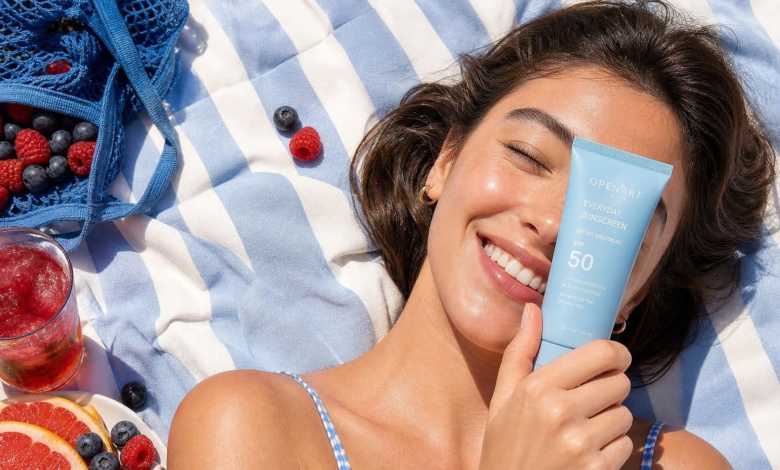
Think about an independent skincare brand preparing to introduce a new product. The owner needs attractive product photography, images for an online store, promotional graphics, and perhaps a short video for Instagram or TikTok.
A traditional approach might involve arranging a photoshoot, finding a suitable location, hiring a photographer, and paying someone to edit the final images. These expenses can add up, especially when the business needs new material for several products. Even after the initial campaign is finished, the business may need another set of visuals for a seasonal promotion or a new product launch.
AI-generated visuals offer another option. Instead of arranging a full photoshoot for every campaign, business owners can use existing product photographs as references and experiment with different backgrounds, settings, and creative directions.
This does not mean traditional photography is no longer important. Real product images remain valuable, particularly when customers need to see accurate details, colours, packaging, and textures. AI is more useful as an additional resource for developing marketing concepts and creating variations around existing product assets.
For businesses trying to make better use of limited resources, that flexibility can be helpful. It also gives owners an opportunity to test creative ideas before committing money to a larger production.
From Product Photos to Complete Campaign Ideas
One of the more interesting developments in AI marketing is the ability to turn a basic product image into something that looks like part of a larger advertising campaign.
OpenArt offers an AI Product Image Generator that allows users to create marketing visuals using product references. Rather than relying on a plain background for every listing, businesses can explore different environments and visual styles that suit their audience.
Its advertising tools also extend beyond static images. With its AI Ad Creative and Commercial Generator features, users can develop promotional videos from product photographs, written descriptions, or creative briefs.
For example, an online furniture store could explore several ways to present the same chair:
- Lifestyle photography: Show the chair in a modern living room to help customers imagine how it might look in their own homes.
- Product-focused visuals: Highlight its design, materials, shape, and other important details.
- Short promotional videos: Create a moving presentation that demonstrates how the product fits into a particular living space.
- Social media advertisements: Develop different creative concepts for Instagram, TikTok, and other marketing channels.
These variations give businesses more room to test how they present their products without starting every creative project from scratch.
Another useful possibility is creating content in different formats. A vertical video for TikTok, a square graphic for an Instagram feed, and a wider advertisement for another platform may all communicate the same message but require different layouts.
Rather than treating every format as an entirely separate project, businesses can use AI-assisted workflows to explore different presentations of the same campaign idea.
Keeping a Business Recognisable Across Every Platform
There is one challenge that businesses should not overlook when using AI: consistency.
A company might produce attractive advertisements, but if every image uses different colours, fonts, logos, and visual styles, customers may struggle to recognise the brand. A consistent appearance helps build familiarity, especially when people encounter a business across several platforms.
This is where OpenArt’s Brand Kit becomes relevant. It allows users to organise brand assets and guidelines, including logos, colour palettes, typography, and style references. These can help guide the creation of subsequent marketing visuals.
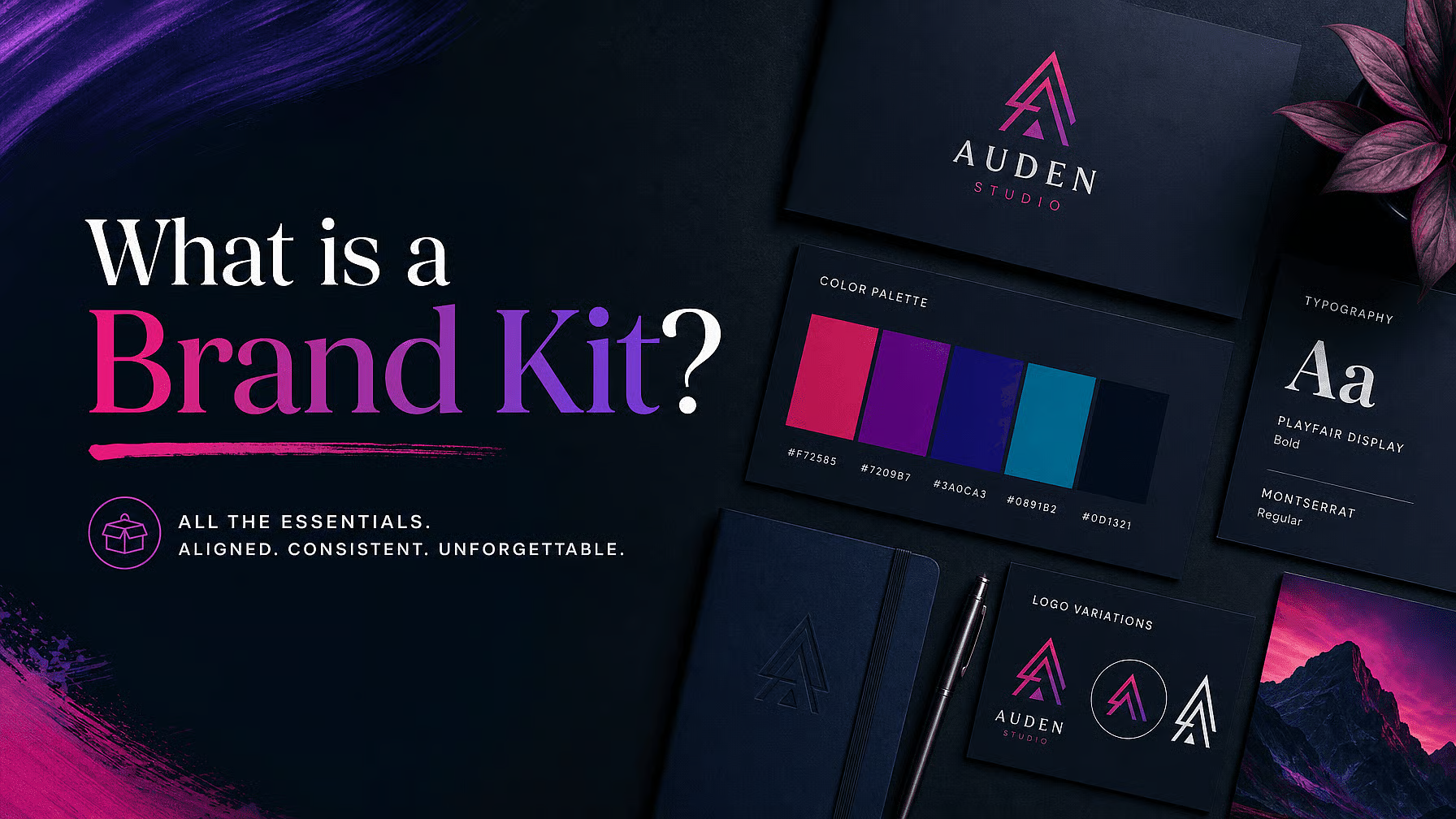
For a small business, having these details organised can reduce the amount of manual adjustment required when producing different campaign materials. It also makes it easier to maintain a recognisable visual direction as the business expands its online presence.
Still, AI-generated content should always go through a review process before publication. A few important things to check include:
- Product accuracy: Make sure the generated image does not change important product details, colours, or packaging.
- Brand identity: Check that logos, fonts, and colours remain consistent across different materials.
- Advertising claims: Review all text and visuals to ensure they do not suggest features the product does not have.
- Usage rights: Understand the licensing conditions for generated content and any reference materials used.
- Customer expectations: Avoid presenting AI-created scenes as genuine product photographs or customer experiences.
These checks matter because attractive marketing should never come at the expense of customer trust. A visually impressive advertisement is only useful when it represents the business and its products accurately.
A More Flexible Way to Approach Content Creation
Small businesses do not necessarily need more complicated marketing strategies. Often, they need practical ways to produce useful content without taking time away from running the business.
AI platforms such as OpenArt provide another way to approach that problem. They can help entrepreneurs explore creative directions, develop promotional materials, and produce different versions of advertisements while keeping their existing brand identity in mind.
The technology is not a replacement for understanding customers, writing effective messages, or knowing what makes a product valuable. Those decisions still require human judgement. A well-designed image cannot fix an unclear offer, and a professionally presented video cannot make an unsuitable product appealing to the right audience.
What AI can offer is a more flexible starting point. Instead of abandoning a good campaign idea because the production budget is too small, businesses can experiment with available tools, compare different creative approaches, and decide which concepts are worth developing further.
For independent entrepreneurs and growing companies, that could make visual marketing a little less intimidating and a lot more manageable. Sometimes, making better content is not about having the biggest budget or the most advanced equipment. It is about finding smarter ways to turn an idea into something customers can understand, recognise, and remember.