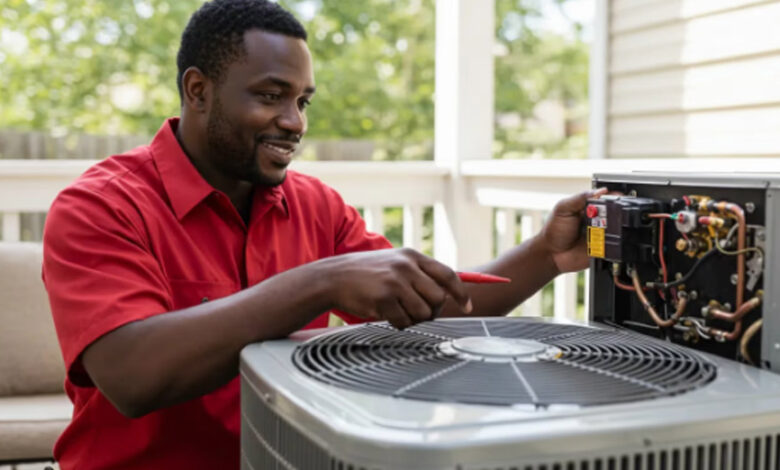

Common Warning Signs and Diagnostics Handled by Atlanta Commercial Heat Pump Experts
A commercial heat pump in Atlanta works tirelessly year-round to maintain comfortable indoor environments, switching between heating and cooling modes as the seasons demand. Given the significant workload, identifying early signs of trouble is crucial to prevent minor issues from escalating into costly breakdowns. Recognizing these warning signs can empower business owners and facility managers to act promptly, minimizing disruption and repair expenses.
One of the most frequent indicators of a problem is refrigerant leaks. If your system is blowing air that isn’t as warm or cool as it should be, or if you notice ice forming on the outdoor unit’s coils, a refrigerant leak could be the culprit. Leaks not only reduce efficiency but can also damage the compressor if left unaddressed. Another common issue is short-cycling, where the heat pump turns on and off frequently without completing a full cycle. This often points to an improperly sized unit, thermostat issues, or low refrigerant, leading to increased wear and tear and higher energy bills.
Airflow issues are also prevalent. Weak airflow from vents, uneven temperatures across different zones, or a system struggling to reach the set temperature can indicate clogged air filters, blocked ductwork, or a failing blower motor. Similarly, frozen coils, both indoor (evaporator) and outdoor (condenser), can severely impede the system’s ability to transfer heat. This usually stems from low refrigerant, dirty coils, or restricted airflow.
Unusual noises emanating from the unit should never be ignored. Grinding, squealing, banging, or buzzing sounds often signal mechanical problems such as failing motor bearings, loose components, or issues with the compressor. Electrical failures, ranging from tripped breakers to faulty wiring or capacitor issues, can cause the unit to stop working entirely or operate intermittently. The reversing valve, which dictates whether the heat pump is in heating or cooling mode, can also fail, leaving the system stuck in one mode regardless of the thermostat setting. Lastly, a malfunctioning commercial thermostat can lead to inaccurate temperature readings or a complete lack of response from the HVAC system, making precise climate control impossible.
Why Atlanta Commercial Heat Pump Experts Prioritize Fast Emergency Response
For Atlanta businesses, a malfunctioning commercial heat pump isn’t just an inconvenience; it’s a direct threat to operational continuity and profitability. When a critical system fails, especially during extreme weather in October 2026, the need for rapid, expert intervention becomes paramount. Professional HVAC services understand this urgency, prioritizing fast emergency response to mitigate potential losses.
Quick repairs are essential for maintaining operational continuity. A comfortable environment is vital for employee productivity and customer satisfaction. Imagine a retail store without adequate heating in winter or a restaurant without cooling in summer – business operations can grind to a halt, leading to lost revenue and damaged reputation. Furthermore, many businesses, such as data centers, medical facilities, or food storage units, rely on precise temperature control for inventory protection. A sudden temperature fluctuation can spoil goods, damage sensitive equipment, or compromise critical processes.
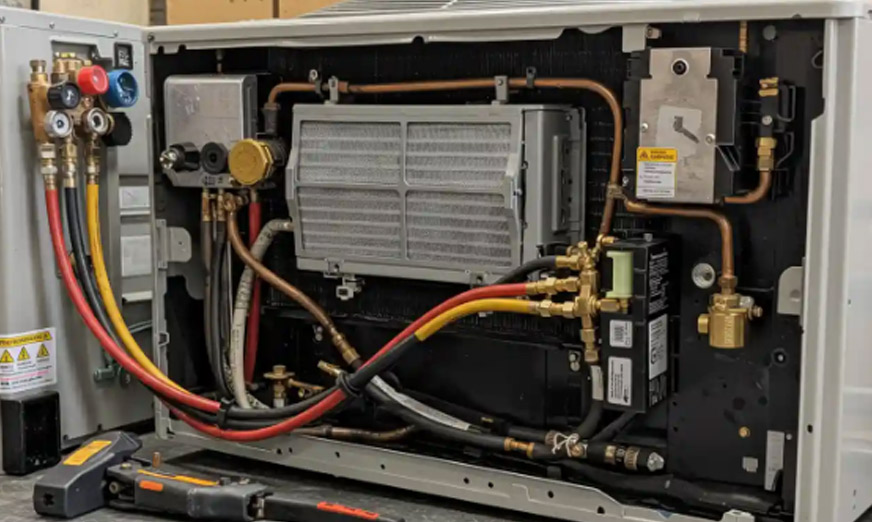
When facing an emergency, Atlanta commercial heat pump experts arrive equipped with advanced diagnostic tools. These specialized instruments allow technicians to quickly pinpoint the root cause of the problem, ensuring efficient and accurate repairs. Their expertise means less guesswork and faster resolution, getting your business back to normal sooner. For a deeper dive into the intricacies of commercial heat pump repair, including common issues and preventative measures, exploring a comprehensive resource like this guide on commercial heat pump repair can be incredibly beneficial.
Regional Climate Stresses on Commercial Systems in Georgia
Atlanta’s climate presents a unique set of challenges for commercial heat pumps, significantly influencing their performance and repair needs. The region experiences distinct seasonal extremes, from hot, humid summers to cold, sometimes freezing, winters. These fluctuating conditions place considerable thermal stress on HVAC systems, forcing them to work harder and more frequently throughout the year.
The high humidity extremes characteristic of Georgia summers are particularly taxing. Constant moisture in the air can lead to increased wear on components, especially outdoor units. This humidity, combined with airborne pollutants, can contribute to coil corrosion over time, reducing the system’s efficiency and lifespan. Dirty or corroded coils require more energy to transfer heat, leading to higher operating costs and a greater likelihood of breakdowns.
During summer heat waves, commercial heat pumps operate at peak capacity for extended periods. This continuous strain can accelerate the degradation of critical components like compressors and motors. Conversely, winter freezes, though less frequent than summer heat, can also pose significant problems. Freezing temperatures can cause condensate lines to block or freeze, leading to water damage or system shutdowns. The defrost cycle, while essential, also adds to the system’s workload. Understanding these regional climate stresses is key to anticipating potential issues and implementing effective maintenance strategies.
Financial Breakdown: Repair Costs, Energy Loss, and Business Impact
The financial implications of a malfunctioning commercial heat pump extend far beyond the immediate repair bill. Neglecting timely repairs can lead to substantial energy loss and increased operational costs, directly impacting a business’s bottom line. A system operating inefficiently due to a fault will consume more electricity to achieve the desired temperature, translating into significantly higher monthly energy bills. Studies indicate that upgrading and properly installing a new heating and cooling system can save businesses as much as 30% on their energy costs, highlighting the financial drain of an underperforming unit.
Beyond energy expenses, the ripple effect of a breakdown can include lost productivity, damaged inventory, and even temporary business closures, all contributing to a negative business impact. Understanding the typical costs associated with commercial heat pump repairs in Atlanta can help businesses budget effectively and make informed decisions.
Repair Type Estimated Timeline Average Cost Range in Atlanta Refrigerant Recharge/Leak Repair 1-3 hours $125 to over $1,200 Compressor Replacement 4-8 hours $1,200 to $2,200 General Heat Pump Repair Varies $145 (Low) to $1,565 (High) Note: These are average costs and can vary based on system type, specific components, and complexity of the issue.
These figures underscore the importance of preventative measures and prompt attention to warning signs. While the average cost of a heat pump repair in Atlanta is around $450, complex issues like compressor replacement can quickly push costs into the thousands.
Calculating Repair Versus Replacement ROI for Commercial Facilities
Deciding whether to repair or replace a commercial heat pump is a critical financial decision for any Atlanta business. This choice often hinges on a careful calculation of return on investment (ROI), considering factors like the system’s age, the nature of the repair, and future operational costs.
A well-maintained heat pump typically lasts between 10 to 15 years in Georgia. If your commercial heat pump is nearing or has exceeded this system age, replacement often becomes a more sensible long-term investment. A common guideline, often referred to as the “50% rule,” suggests that if the cost of a repair is more than 50% of the cost of a new system, replacement should be strongly considered. For instance, with a new heat pump system in Georgia costing between $4,000 and $10,000 including installation, a major repair exceeding 2,000-5,000 might tip the scales towards replacement.
Newer heat pump models boast significantly improved energy efficiency, often measured by their SEER2 (Seasonal Energy Efficiency Ratio 2) ratings. Replacing an older, less efficient unit with a high-SEER2 system can lead to substantial reductions in energy consumption and operating costs over its lifespan, contributing positively to your capital planning and long-term savings. Furthermore, older systems are prone to increased equipment degradation and more frequent breakdowns, leading to cumulative repair costs that can quickly surpass the investment in a new, reliable unit. Factoring in potential downtime and the impact on business operations, the long-term reliability and efficiency of a new system often present a compelling ROI.
Why Commercial Facilities Require Professional HVAC Technicians Over DIY Fixes
While the temptation to address minor issues with a “DIY” approach might arise, commercial heat pump systems are complex, high-voltage machinery that demand professional expertise. Attempting repairs without proper training and certification can lead to severe consequences, including serious injury, further system damage, and legal liabilities.
Commercial heat pumps operate with high-voltage electricity, posing significant electrocution risks to untrained individuals. Beyond the immediate danger, there are strict environmental regulations governing refrigerants. The EPA Section 608 certification is required for anyone handling refrigerants, as improper release can harm the environment and incur hefty fines. Professional technicians are trained and certified to handle these substances safely and legally.
Moreover, commercial heat pump repairs must adhere to specific commercial building codes and safety standards. Non-compliance can lead to failed inspections, fines, and even necessitate costly re-repairs by certified professionals. Attempting DIY fixes can also void existing manufacturer warranty compliance, leaving your business responsible for future repair costs that would otherwise be covered. For these reasons, engaging a qualified, insured, and licensed HVAC professional is not just a recommendation but a necessity for commercial facilities.
Essential Qualifications to Expect from Atlanta Commercial Heat Pump Experts
When selecting a commercial heat pump repair provider in Atlanta, businesses should look for specific qualifications that ensure competence, reliability, and accountability. These credentials serve as benchmarks for quality service and peace of mind.
Foremost among these is NATE certification (North American Technician Excellence). NATE-certified technicians have demonstrated a high level of knowledge and skill in HVACR (heating, ventilation, air conditioning, and refrigeration) through rigorous testing. This certification indicates a commitment to industry best practices and ongoing professional development.
Equally important are proper licensing and commercial insurance. A licensed HVAC company operates legally and adheres to state and local regulations. Commercial insurance protects both the service provider and your business in the event of accidents or damage during service. Always verify that the company carries adequate liability and workers’ compensation insurance.
Reputable providers will also offer service warranties on their repairs, guaranteeing the quality of their workmanship and the parts they use for a specified period. This provides an added layer of protection for your investment. Finally, inquire about response guarantees, especially for emergency services. Knowing that a company commits to a specific response time can be invaluable during critical system failures, ensuring minimal operational disruption.
Preventative Maintenance Strategies to Maximize System Lifespan and Efficiency
Proactive care is the cornerstone of efficient and reliable commercial heat pump operation. Implementing a robust preventative maintenance strategy is not merely about avoiding breakdowns; it’s about maximizing system lifespan, optimizing energy efficiency, and ultimately protecting your business’s financial health.
Regular seasonal tune-ups are paramount. These comprehensive inspections, typically performed twice a year (before heating and cooling seasons), involve checking refrigerant levels, inspecting electrical connections, lubricating moving parts, and calibrating thermostats. Filter replacement is another simple yet critical task. Clogged filters restrict airflow, forcing the system to work harder, which increases energy consumption and can lead to premature component failure. Similarly, coil cleaning prevents the buildup of dirt and grime that insulates coils, reducing their ability to transfer heat and significantly impacting efficiency.
Electrical inspection ensures that all wiring, connections, and safety controls are in proper working order, preventing potential fire hazards and system malfunctions. Many businesses opt for preventative contracts with HVAC providers. These contracts typically include scheduled maintenance visits, discounted repairs, and priority service, offering a structured approach to system upkeep. By investing in regular maintenance, businesses can significantly reduce the likelihood of costly emergency repairs and extend the operational life of their valuable heat pump systems.
Aspect Proactive Commercial Maintenance Reactive Emergency Repair Cost Predictable, lower annual cost Unpredictable, often high System Lifespan Extended Potentially shortened Energy Efficiency Optimized Degraded Downtime Minimal, scheduled Significant, unexpected Comfort/Productivity Consistent Interrupted Risk of Major Breakdown Significantly reduced High Parts Availability Planned, ordered in advance Urgent, potentially scarce Frequently Asked Questions About Commercial Heat Pump Repair in Atlanta
Businesses often have specific questions when facing a commercial heat pump repair. Here, we address some of the most common concerns for Atlanta businesses.
How much does commercial heat pump repair typically cost in the Atlanta area?
The cost of commercial heat pump repair in Atlanta can vary widely depending on several factors. Initial expenses often include diagnostic fees to accurately identify the problem. Once diagnosed, the total cost will depend on the component pricing for replacement parts, which can range from inexpensive sensors to costly compressors. Labor rates also play a significant role, reflecting the technician’s expertise and the complexity of the repair. Furthermore, if the repair is needed outside of standard business hours, emergency surcharges may apply. While individual repairs can range from a few hundred dollars for minor fixes to several thousand for major component replacements, regular maintenance can help mitigate the frequency of these unexpected expenses.
How quickly can commercial heat pump repairs be completed during an emergency?
In an emergency, speed is critical. Many Atlanta HVAC companies specializing in commercial services offer same-day service for urgent repairs, understanding the impact of downtime on businesses. Reputable providers often have 24/7 dispatch capabilities, ensuring that technicians can be deployed at any time, day or night. The actual completion time will depend on the complexity of the issue and the parts availability. While common parts are often stocked, specialized components may need to be ordered, potentially extending the repair timeline. In cases where immediate repair isn’t possible, some companies can provide temporary cooling or heating solutions to maintain critical operations until the primary system is fully restored.
When should an Atlanta business replace rather than repair a commercial heat pump?
The decision to replace a commercial heat pump rather than repair it is a significant one, often driven by a combination of factors. The primary consideration is the system age. If a heat pump is approaching or has exceeded its typical lifespan of 10-15 years, replacement often makes more economic sense than investing in expensive repairs. Cumulative repair costs are another key indicator; if the total cost of repairs over the past few years starts to approach a significant percentage (e.g., 50%) of a new system’s cost, replacement is likely the better long-term solution. Energy efficiency degradation is also crucial. Older units are inherently less efficient than modern, high-SEER2 systems, leading to higher operating costs. If your energy bills are consistently rising despite repairs, a new, more efficient unit could offer substantial savings. Finally, declining equipment reliability, evidenced by frequent breakdowns and inconsistent performance, signals that the system is at the end of its functional life and replacement will provide greater stability and peace of mind.
Conclusion
For businesses in Atlanta, GA, the performance of a commercial heat pump is inextricably linked to comfort, productivity, and profitability. Ensuring system reliability through attentive monitoring and proactive care is not merely a maintenance task but a strategic business imperative. Timely repairs and diligent upkeep are essential for maintaining operational continuity, preventing costly disruptions, and safeguarding your bottom line.
By understanding common warning signs, recognizing the impact of Atlanta’s unique climate, and entrusting repairs to qualified professionals, businesses can avoid significant financial drains. Investing in regular maintenance not only reduces the likelihood of expensive emergency repairs but also significantly extends the lifespan and optimizes the energy efficiency of your commercial heat pump, translating directly into lower operating costs and enhanced profit protection. In a competitive market, a well-maintained HVAC system is a silent partner in your success, ensuring a comfortable environment that keeps your business thriving year-round.