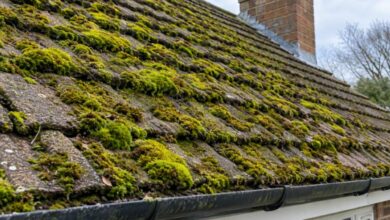
Rain, Salt and Sun: The Building Details Kiwi Homeowners Can’t Afford to Overlook

New Zealand’s weather is a big part of what makes the country special. It’s also one of the toughest tests any home, deck or outdoor structure will face. Heavy rain, high humidity, strong winds, intense UV and salt laden coastal air can all wear down building materials faster than many homeowners expect. And because so much of the population lives close to the sea, coastal exposure isn’t a niche concern. For a large share of Kiwi households, it’s simply part of daily life.
Whether you’re renovating, building new or adding a deck or pergola, the materials and small details you choose will decide how well your project stands up over the years. Some of the most important decisions are also the easiest to overlook.
Built to last, by law
The New Zealand Building Code sets clear expectations for durability. Under Clause B2, structural elements and parts of a building that are difficult to access or replace must last for the life of the building, and not less than 50 years. Elements that are moderately difficult to replace, such as wall cladding, exterior doors and windows, must last at least 15 years, while easily replaced items such as gutters and protective coatings must last at least five years.
Those figures are a useful reminder that the parts hidden inside a structure, including the fixings that hold framing, decks and posts together, are expected to perform for decades. Choosing materials that can survive local conditions for that long is not optional. It’s central to building well.
Rain and humidity take a steady toll
Many parts of New Zealand see frequent rain and high humidity for much of the year. Timber absorbs moisture, swells and then shrinks again as it dries. That repeated movement can loosen joints, open gaps and allow water to sit where it shouldn’t. Over time, damp timber becomes vulnerable to decay, and metal fixings in constant contact with moisture are more likely to corrode.
Good design helps manage this. Allowing water to drain away from posts and footings, leaving gaps between deck boards, keeping timber clear of the ground and ensuring air can circulate under and around structures all help materials dry out between showers. The aim is not to stop the rain, but to make sure it never has the chance to linger.
Coastal exposure changes everything
Salt is one of the most aggressive forces a building material can face. Carried inland by wind and sea spray, salt particles settle on surfaces and draw in moisture, creating ideal conditions for corrosion. Steel that might last for decades inland can deteriorate in a fraction of that time near the coast.
New Zealand’s timber framing standard, NZS 3604, recognises this by dividing the country into exposure zones. According to BRANZ, Zone D, the high exposure coastal zone, covers areas within 500 metres of the sea, within 100 metres of tidal estuaries and sheltered inlets, and all offshore islands. In Zone D, all structural fixings must be type 304 stainless steel. BRANZ also notes that Auckland, Wellington and Christchurch sit entirely within the medium and high corrosion zones, which means a huge number of homes in our largest cities need careful thought about fixing choices.
Matching fixings to the environment
The fixings used in a structure carry its loads every day, through every storm. If they corrode, the whole build is weakened, often without any visible warning until something starts to move.
In inland areas with lower exposure, hot dip galvanised fixings can be suitable for many outdoor applications. In coastal and high exposure locations, stainless steel is the safer and often the required choice. Treated timber adds another factor to consider, as the preservatives used to protect it can increase corrosion in unsuitable metals. Mixing different metals in the same connection can also speed up corrosion, so consistency matters.
The type of fixing matters just as much as the material. Where posts, brackets and base plates are secured to concrete slabs or footings, heavy-duty concrete fasteners such as concrete screw bolts provide a strong mechanical hold that standard screws and plugs simply can’t match. Because they cut their own thread into the concrete, they grip firmly without placing excessive stress on the surrounding material. Choosing a stainless steel or appropriately coated option gives that connection the corrosion resistance it needs to match its strength.
For heavy timber to timber connections, such as fixing beams to posts or ledgers to framing, coach screws in a suitable finish offer reliable holding power. Pre drilling, using washers and following the manufacturer’s installation guidance all help these fixings perform as intended.
Small details, long term protection
UV exposure, strong winds and temperature changes add further stress, but the principles remain the same. Understand your site, know your exposure zone and choose materials designed to handle the conditions. Asking a supplier or builder about exposure zones before buying fixings takes only a few minutes, yet it can add years to the life of a deck, fence or pergola.
New Zealand’s climate isn’t going to get any gentler. Homeowners who plan for rain, humidity and salt from the start, and who give as much thought to their fixings as to their timber and finishes, will be rewarded with structures that stay safe, solid and good looking for decades.
This article was produced in partnership with Anzor.