
Understanding the Second Shot in the Puppy Immunization Series
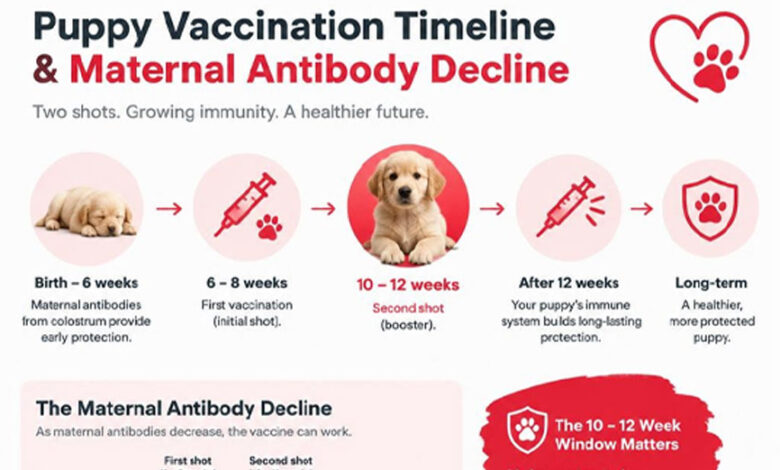
The second shot in a puppy’s vaccination series is a critical component of their early health protection. Often referred to as a booster, this vaccination typically targets core diseases such as Distemper, Adenovirus (Hepatitis), and Parvovirus (DAP or DHP). It is usually administered when puppies are between 10 to 12 weeks of age, following their first vaccination given around 6 to 8 weeks. Some protocols may also include Parainfluenza and/or Leptospirosis, making it a DHLPP or similar combination.
The primary reason for a series of vaccinations, rather than a single shot, lies in the complex interplay of a puppy’s developing immune system and the maternal antibodies they receive from their mother’s colostrum. Colostrum, the first milk produced after birth, is rich in antibodies that provide crucial passive immunity to newborn puppies. This maternal immunity acts as a protective shield during their most vulnerable early weeks. However, these maternal antibodies can also interfere with the effectiveness of initial vaccinations, essentially neutralizing the vaccine before the puppy’s own immune system can mount a response.
This creates an “antibody window” or “immune gap,” a period where maternal antibodies are too low to offer full protection but still high enough to block a vaccine from working effectively. The series of shots, including the vital second booster, is designed to ensure that at least two vaccinations fall within the period when maternal antibodies have waned sufficiently, allowing the puppy’s immune system to respond robustly and develop its own long-lasting immunity. The second shot is therefore crucial for building upon the initial exposure and solidifying the immune response, preparing the puppy for a healthier life ahead.
Understanding this timeline is paramount for new puppy owners. By October 2026, veterinary science continues to emphasize the importance of adhering to these schedules to maximize protection.
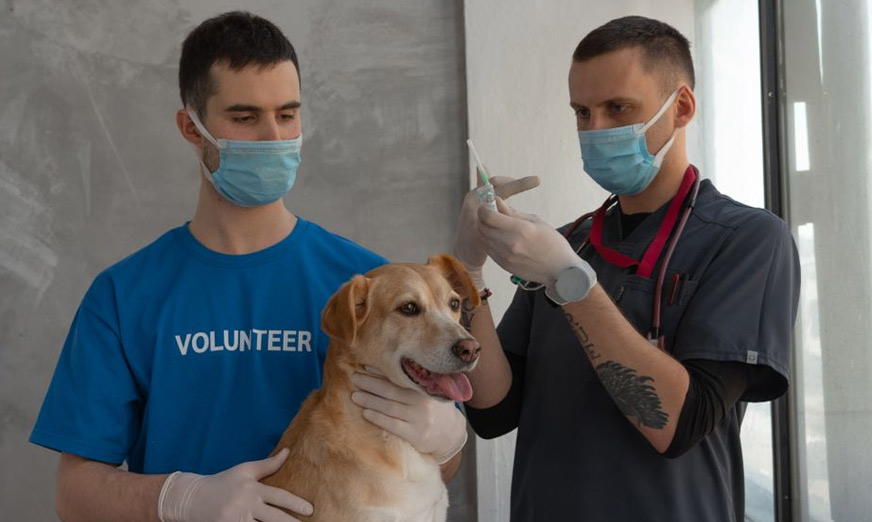
The Critical 10 to 12 Week Window
During the 10 to 12-week period, your puppy’s immune system is transitioning. The maternal antibodies they inherited are gradually declining, making them more susceptible to common canine diseases. The second shot, often a booster for the Distemper, Adenovirus, Parvovirus (DAP or DHP) combination, is strategically timed to coincide with this waning maternal immunity. This timing ensures that the vaccine has the best chance to stimulate the puppy’s own active immunity.
For many puppies, this second round of vaccinations will cover the core diseases:
- Canine Distemper: A severe, often fatal viral disease affecting the respiratory, gastrointestinal, and nervous systems.
- Canine Adenovirus (Hepatitis): A viral infection that primarily affects the liver, but can also impact the kidneys, eyes, and respiratory system.
- Canine Parvovirus: A highly contagious and potentially deadly viral disease that causes severe vomiting and diarrhea, leading to rapid dehydration.
Additionally, depending on your veterinarian’s recommendations and your puppy’s lifestyle, the second shot might also include protection against:
- Canine Parainfluenza Virus: A common cause of kennel cough, a highly contagious respiratory illness.
- Leptospirosis: A bacterial disease spread through the urine of infected animals, which can cause kidney and liver damage and is zoonotic (transmissible to humans).
This combination is often referred to as DHLPP (Distemper, Hepatitis, Leptospirosis, Parvovirus, Parainfluenza) or similar acronyms. The booster timing is not arbitrary; it’s a carefully calculated window to provide optimal protection.
Core and Non-Core Disease Protection
The 2nd shot primarily reinforces protection against the core diseases, which are considered essential for all puppies regardless of their lifestyle due to the severity and widespread nature of these illnesses. These include:
- Canine Distemper: This highly contagious virus can cause fever, respiratory issues, gastrointestinal problems, and neurological symptoms. It is often fatal, and survivors may suffer permanent neurological damage. The booster strengthens the puppy’s defense against this pervasive threat.
- Infectious Canine Hepatitis (Canine Adenovirus-1): This viral disease primarily targets the liver, causing fever, lethargy, vomiting, and abdominal pain. Severe cases can lead to liver failure. The vaccine also helps protect against Canine Adenovirus-2, a common cause of kennel cough.
- Canine Parvovirus: Parvo is an extremely resilient and contagious virus that attacks the gastrointestinal tract, leading to severe vomiting, bloody diarrhea, and rapid dehydration. It is particularly dangerous for puppies, with high mortality rates if untreated. The 2nd shot is crucial in building robust immunity against this environmental threat, as the virus can survive in soil for extended periods.
Beyond these core components, your veterinarian may recommend non-core vaccines based on your puppy’s risk factors. For instance, if your puppy will be socializing with other dogs, attending dog parks, or going to facilities like a dog daycare, protection against Bordetella bronchiseptica (a primary cause of kennel cough) is often included or recommended around this time. If you live in an area with high wildlife exposure or standing water, Leptospirosis vaccination might also be administered as part of the second or subsequent shots. Similarly, Lyme disease vaccination may be considered in tick-endemic regions.
These non-core vaccines are tailored to your puppy’s specific environment and lifestyle, providing a comprehensive shield against regional or activity-based health risks.
Shot Number Typical Age (Weeks) Key Antigens (Examples) Primary Purpose & Protection Level 1st Shot 6-8 Distemper, Parvovirus Initial exposure, starts immune response, may be partially blocked by maternal antibodies. 2nd Shot 10-12 Distemper, Parvovirus, Adenovirus, (Parainfluenza, Lepto) Crucial booster, builds on first shot, strengthens immunity as maternal antibodies wane. 3rd Shot 14-16 Distemper, Parvovirus, Rabies Final core booster, ensures robust, long-lasting immunity, often includes Rabies (mandatory). Navigating the Puppy Vaccination Schedule and Daycare Requirements
The period following your puppy’s second vaccinations is a pivotal time for both their immune development and crucial socialization. While the instinct might be to keep your puppy isolated until all shots are complete, the critical socialization window (roughly 3 to 14 weeks of age) is happening concurrently. This window is vital for your puppy’s behavioral development, shaping how they interact with the world, other animals, and people. Balancing health protection with early socialization is a key challenge for new puppy owners.
This is where carefully selected environments, such as professional puppy classes or reputable dog daycares, can play an invaluable role. These facilities often have strict biosecurity protocols and vaccination requirements designed to minimize pathogen exposure while maximizing safe, controlled social interactions. Understanding the interplay between your puppy’s vaccination schedule and the requirements of such facilities is essential. For comprehensive guidance on integrating your puppy’s health needs with social development, you might find valuable resources on Puppy vaccination schedule and daycare options.
Facility Rules: Aligning Your Puppy Vaccination Schedule and Daycare Timeline
Reputable dog daycares and puppy training facilities prioritize the health and safety of all animals in their care. This means they typically have stringent intake policies regarding vaccinations. By October 2026, most facilities will require proof of up-to-date vaccinations for all participating dogs, especially puppies.
Common vaccination requirements often include:
- Core Vaccinations: Proof of at least the first two rounds of Distemper, Adenovirus, and Parvovirus (DAP/DHP) vaccinations is usually mandatory. Some facilities may even require the full series, including the 3rd shot, before allowing full participation in group play.
- Bordetella Vaccination: This is almost universally mandated for any dog entering a group setting. Bordetella protects against kennel cough, a highly contagious respiratory illness. Because kennel cough can spread rapidly in close quarters, facilities require this to prevent outbreaks.
- Rabies Vaccination: While puppies typically receive their rabies shot around 12 weeks of age with their final core boosters, some facilities may require proof of this vaccination depending on the puppy’s age and local regulations.
- Age Requirements: Most daycares will have a minimum age for puppies to join, often aligning with the completion of their second or even third set of core vaccinations. This ensures their immune systems are sufficiently developed.
It’s crucial to communicate with any potential daycare or training facility well in advance to understand their specific requirements. Providing accurate documentation from your veterinarian is essential for a smooth enrollment process. These rules are in place not to be inconvenient, but to protect your puppy and all other dogs from preventable diseases, fostering a safe and healthy environment for group play and learning.
Safe Socialization: Managing Puppy Vaccination Schedule and Daycare Risks
Early socialization is critical for a well-adjusted adult dog, but it must be managed carefully, especially before a puppy is fully vaccinated. High-quality puppy preschools and daycares are designed to offer controlled exposure to new sights, sounds, people, and other dogs, significantly reducing the risks associated with public environments.
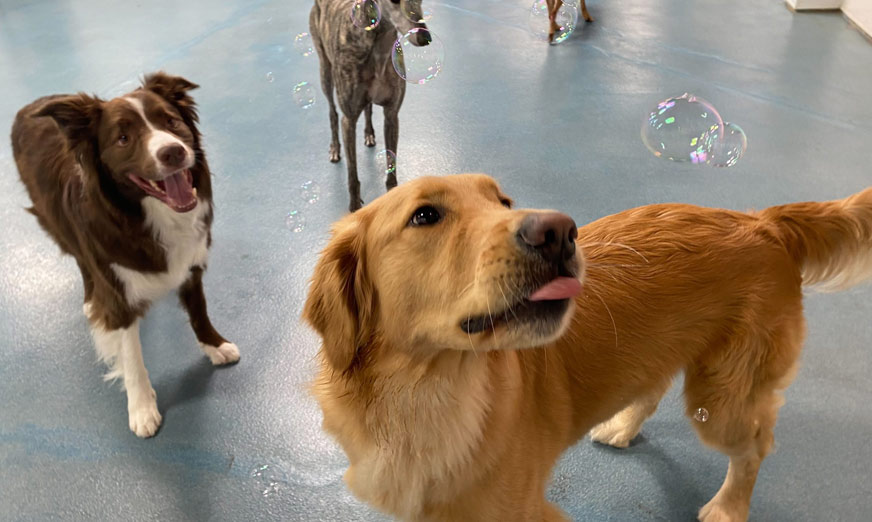
Here’s how safe socialization is managed:
- Sanitized Environments: Reputable facilities maintain strict cleaning protocols, regularly sanitizing surfaces, play areas, and equipment to minimize the presence of viruses like parvovirus, which can survive in the environment for months.
- Controlled Exposure: Unlike a dog park where vaccination statuses are unknown, professional settings ensure that all participating puppies meet specific health and vaccination criteria. This significantly lowers the risk of disease transmission.
- Supervised Interactions: Trained staff monitor puppy interactions closely, intervening to prevent overly boisterous play that could stress or injure a developing puppy. They also ensure positive experiences, crucial during this sensitive developmental period.
- Focus on Positive Experiences: The goal is to create positive associations with new stimuli. This includes exposure to different types of people (men, women, children), various sounds (vacuum cleaners, doorbells), and gentle interactions with other puppies and calm, vaccinated adult dogs.
While the primary concern for puppies in group settings is often Canine Parvovirus due to its severity and environmental persistence, facilities also work to mitigate risks of kennel cough (often caused by Bordetella) and other respiratory illnesses. By choosing a facility that adheres to high standards of hygiene and requires appropriate vaccinations, you can provide your puppy with invaluable socialization opportunities while minimizing health risks. Always consult your veterinarian for their recommendations on when your puppy is ready for these types of social environments.
Outdoor Safety and Public Exposure After Second Vaccinations
The period immediately following your puppy’s second vaccinations is a hopeful one, as many owners eagerly anticipate taking their furry companions out into the world. However, it’s vital to understand that a vaccination does not offer instant, full protection. There’s an “immune lag” or “serum conversion” period during which your puppy’s immune system is actively building antibodies in response to the vaccine. This process takes time, typically one to two weeks after each booster, for the full protective effects to develop.
Taking a puppy outside before their immune system has fully responded to the second shot, or even before the full vaccination series is complete, carries significant risks. Puppies have immature immune systems and are highly susceptible to environmental transmission of diseases. Pathogens like parvovirus can persist in the soil for months or even years, and can be carried on shoes, clothing, or even car tires (fomite transmission). Even a brief sniff of contaminated grass or contact with an infected surface can be enough to expose a vulnerable puppy.
The biggest risk is exposure to highly contagious and often deadly diseases such as Parvovirus and Distemper. These viruses are widespread in the environment, especially in areas frequented by other dogs. Before their immune system is robust, puppies can easily contract these illnesses, leading to severe symptoms, expensive veterinary care, and potentially fatal outcomes. Therefore, patience and caution are paramount during this critical developmental phase.
The One to Two Week Post-Shot Waiting Period
After your puppy receives their second vaccination, your veterinarian will almost certainly advise a waiting period, typically one to two weeks, before allowing them into public spaces or high-traffic dog areas. This “two-week interval” is not an arbitrary guideline; it’s based on the time it takes for a puppy’s immune system to mount a sufficient antibody response to the vaccine.
During this period, your puppy’s body is actively working to:
- Develop Antibodies: The vaccine introduces weakened or inactive forms of viruses, prompting the immune system to produce specific antibodies. This process doesn’t happen overnight.
- Achieve Protective Titer Levels: A “titer” refers to the level of antibodies in the blood. For a puppy to be considered adequately protected, their antibody levels must reach a certain threshold. The one to two-week waiting period allows for this antibody buildup to occur, ensuring that they have a robust defense against potential infections.
- Immune Maturation: Each booster shot reinforces the immune system’s memory, making it quicker and more effective at fighting off future infections. This maturation process is ongoing throughout the vaccination series.
Ignoring this waiting period can leave your puppy vulnerable. Even if they’ve received their second shot, their immune system might not yet be strong enough to fend off a full-blown infection if exposed. It’s a crucial step in ensuring the vaccine’s efficacy and your puppy’s safety.
Low-Risk vs High-Risk Environments
Understanding the distinction between low-risk and high-risk environments is crucial when considering where your puppy can go after their second shots, and especially before their final vaccinations.
Low-Risk Environments (Generally acceptable after the 2nd shot, with vet approval and caution):
- Your own private, fenced backyard: Provided no unvaccinated or sick dogs have been on the property recently, and you’ve cleaned up any waste. This is the safest place for early outdoor exploration.
- Carried outings: Taking your puppy in a carrier or your arms to a quiet, low-traffic area for sensory experiences. This allows them to see and hear the world without direct ground contact.
- Pavement walking (briefly and cautiously): Short walks on clean, well-maintained pavement, avoiding grassy areas where pathogens might linger. The risk of pathogen survival on hot, sunny pavement is generally lower than in soil.
- Visits to fully vaccinated, healthy friends’ homes: If the adult dogs are fully vaccinated and healthy, controlled indoor playdates can be a good option.
High-Risk Environments (Avoid until 1-2 weeks after the final vaccination, around 16-18 weeks of age):
- Dog parks: These are high-traffic areas with unknown vaccination statuses of other dogs and high potential for pathogen contamination in soil and grass.
- Public grassy areas: Parks, common areas, or even the grassy verges along sidewalks can harbor viruses like parvovirus, which can survive in soil for months to a year.
- Pet stores: While many pet stores require vaccinations, the high turnover of animals and people increases the risk of exposure.
- Beaches or hiking trails: These areas can have high concentrations of wildlife or dog traffic, increasing exposure to parasites and viruses.
- Any area with visible animal waste: Feces can be a source of various parasites and diseases.
The key is to minimize direct contact with potentially contaminated soil, water, and other animals whose vaccination status is unknown. Even after the second shot, your puppy’s immune system is still developing, and caution is your best defense against preventable diseases.
Managing Vaccine Reactions and Missed Doses
While vaccinations are overwhelmingly safe and effective, it’s natural for owners to be concerned about potential reactions. It’s also important to know what to do if a dose is missed, as maintaining the schedule is critical for building robust immunity.
Normal Side Effects vs Emergency Symptoms
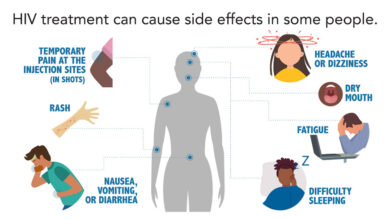
Most puppies experience only mild, temporary side effects after vaccination, indicating their immune system is responding as it should. However, some reactions can be more serious and require immediate veterinary attention.
Mild Post-Vaccine Side Effects (typically resolve within 24-48 hours):
- Localized swelling or tenderness: A small lump or soreness at the injection site.
- Mild lethargy: Your puppy might be a bit quieter or sleep more than usual.
- Low-grade fever: A slight increase in body temperature.
- Decreased appetite: Eating a little less than usual.
- Mild sneezing or coughing: If an intranasal vaccine (like some Bordetella vaccines) was given.
These mild reactions usually don’t require treatment, but you should monitor your puppy closely and ensure they have a comfortable, quiet place to rest.
Urgent Allergic Reactions (require immediate veterinary care): These are rare but serious and can occur within minutes to hours after vaccination.
- Facial swelling: Swelling around the eyes, muzzle, or lips (facial edema).
- Hives: Bumps or rashes on the skin.
- Difficulty breathing: Wheezing, gasping, or labored breathing.
- Vomiting or diarrhea: Especially if severe or persistent.
- Collapse or weakness: Sudden onset of severe lethargy, inability to stand, or loss of consciousness (anaphylaxis).
- Severe itching or excessive licking: Especially around the face or paws.
If you observe any of these severe symptoms, contact your veterinarian immediately or go to the nearest emergency veterinary clinic. Early intervention is crucial for these types of reactions.
Catch-Up Protocols for Delayed Boosters
Life happens, and sometimes a puppy might miss their scheduled second shot. This can be due to illness, a busy schedule, or simply forgetting the exact date. If your puppy misses their 12-week booster, it’s crucial not to panic but to act promptly.
The general rule of thumb is to contact your veterinarian as soon as you realize a dose has been missed. They will assess the situation based on:
- The specific vaccine missed: Some vaccines have a wider window for boosters than others.
- How long ago the dose was due: A few days late is usually less concerning than several weeks.
- Your puppy’s current age and health: Their overall condition will influence the vet’s recommendation.
In many cases, if the delay is not too significant (e.g., within a few weeks), your veterinarian may simply advise administering the missed booster as soon as possible. The series can often continue without “rebooting” from scratch. However, if there has been a prolonged gap (e.g., several months), the veterinarian might recommend restarting the series or administering an additional booster to ensure adequate protection.
The goal is always to achieve full protective immunity. Missing a dose can leave your puppy vulnerable during the vaccine gaps, as their immune system may not have built sufficient memory from the previous shots. Never assume you can skip a booster or restart a schedule without veterinary guidance. Always consult your vet for a personalized schedule adjustment to ensure your puppy’s health and safety.
Frequently Asked Questions About Puppy Vaccinations
We understand that the vaccination schedule can be confusing, and many owners have similar questions about their puppy’s immunity and outdoor activities. Here are answers to some of the most common inquiries.
Can my puppy walk on public sidewalks immediately after the second shot?
While your puppy has received significant protection after their second shot, it’s generally recommended to wait one to two weeks after this booster before allowing them to walk freely on public sidewalks or in other high-traffic areas. This waiting period allows their immune system to fully respond and build robust antibody levels (serum conversion).
Before this, the risk of encountering pathogens like parvovirus, which can persist on pavement and in soil, is still present. For early socialization, carrying your puppy in a carrier or your arms in public spaces is a safer alternative, as it allows them to experience new sights and sounds without direct ground contact. Always consult your veterinarian for specific guidance tailored to your puppy’s individual health and local disease prevalence.
Why does my puppy need a second shot if they already received their first?
The need for a second shot, and often a third, stems from the concept of maternal interference. Puppies are born with passive immunity from their mother’s colostrum, which protects them in their earliest weeks. However, these maternal antibodies gradually wane, and during this decline, they can also interfere with the effectiveness of initial vaccinations.
The first shot serves to introduce the antigens and start the immune system’s learning process. The second (and subsequent) shots act as crucial boosters. They ensure that even if the first shot was partially neutralized by residual maternal antibodies, the subsequent doses will stimulate a strong, lasting immune response once those maternal antibodies are low enough. This series is essential for building proper immune memory and ensuring your puppy develops full, long-term immunity against core diseases.
What should I do if my puppy misses their 12-week booster?
If your puppy misses their 12-week booster, the most important step is to contact your veterinarian immediately. Do not assume you can simply wait for the next scheduled shot or that the previous shots are sufficient.
Your vet will assess the situation, considering the duration of the missed vaccine interval and your puppy’s overall health. In many cases, if the delay is relatively short, they may advise administering the booster as soon as possible to get back on track. However, if a significant amount of time has passed, they might recommend restarting the vaccination series or adjusting the schedule with additional boosters to ensure your puppy achieves adequate protection. The goal is to close any immune gaps and ensure your puppy is fully protected against preventable diseases.
Conclusion
Navigating your puppy’s vaccination schedule, particularly the crucial 2nd shots, is a cornerstone of responsible pet ownership. These early vaccinations are not just routine procedures; they are vital investments in your puppy’s long-term health, protecting them from potentially deadly diseases like Distemper and Parvovirus. By understanding the science behind maternal immunity and the critical timing of boosters, you empower your puppy to build a robust immune system.
Adhering to the recommended one to two-week waiting period after the second shot before venturing into public spaces is essential for allowing their immune system to fully develop. Simultaneously, prioritizing safe socialization through controlled environments like puppy classes or reputable daycares, once your veterinarian gives the green light, is equally important for their behavioral well-being.
By October 2026, the principles of early vaccination and safe socialization remain paramount. Your partnership with your veterinarian is key to tailoring a comprehensive health plan that ensures your puppy achieves full immunization by their 16-week milestone, setting them on the path to a long, healthy, and happy life.