Electrical Installation: Building Safe, Efficient, and Reliable Electrical Systems

A dependable electrical system is one of the most important components of any modern property. Homes, offices, commercial facilities, workshops, and industrial buildings all depend on electricity for lighting, appliances, equipment, heating, cooling, communication, security, and countless everyday operations. Because electrical systems carry significant amounts of energy, their installation requires careful planning, appropriate materials, accurate connections, and strict attention to safety. Proper electrical installation helps ensure that power is distributed efficiently while reducing the risks associated with electrical faults, overloads, damaged wiring, and improper connections.
Electrical installation is not simply a matter of connecting wires to outlets and switches. A complete project may involve designing circuits, installing distribution boards, selecting appropriate cables, grounding electrical systems, fitting lighting, installing outlets, connecting appliances, and testing the finished system. The requirements can vary significantly depending on the building’s size, purpose, electrical demand, and applicable regulations. A well-planned system should accommodate current needs while allowing reasonable flexibility for future upgrades.
Understanding Electrical Installation
Electrical installation involves the process of designing, fitting, connecting, testing, and commissioning electrical components within a property. It can apply to new construction as well as renovations, extensions, upgrades, and replacement projects.
A typical installation may include service connections, electrical panels, circuit breakers, wiring, switches, sockets, lighting fixtures, grounding systems, and specialized equipment.
Each component has a specific purpose, and all parts need to work together correctly. Poorly sized cables, overloaded circuits, loose connections, or inadequate protection can create serious problems.For this reason, electrical work should be planned and carried out by appropriately qualified professionals who understand applicable electrical standards and safety requirements.
Planning an Electrical System
Good planning provides the foundation for a successful electrical project. Before installation begins, the property’s electrical requirements should be assessed.
A professional may consider the number and type of appliances, lighting requirements, heating and cooling equipment, technology systems, kitchen equipment, outdoor circuits, and potential future additions.
The electrical load should be distributed appropriately across circuits so that individual circuits are not subjected to excessive demand.
Planning should also consider the layout of the property. Outlets and switches should be positioned where they are practical to use, while lighting should provide suitable illumination for each room or work area.
Selecting Appropriate Wiring
Electrical cables are available in different sizes and types, and selecting the correct option is essential. Cable capacity depends on factors such as current demand, installation method, distance, ambient temperature, and applicable standards.
Using a cable that is too small for the intended load can cause overheating and increase fire risk.The wiring method also matters. Cables may be installed inside walls, conduits, cable trays, ceilings, or other protected pathways depending on the building and project requirements.
A qualified electrician can determine the appropriate cable type and size for each circuit rather than relying on a one-size-fits-all approach.
Installing Electrical Panels
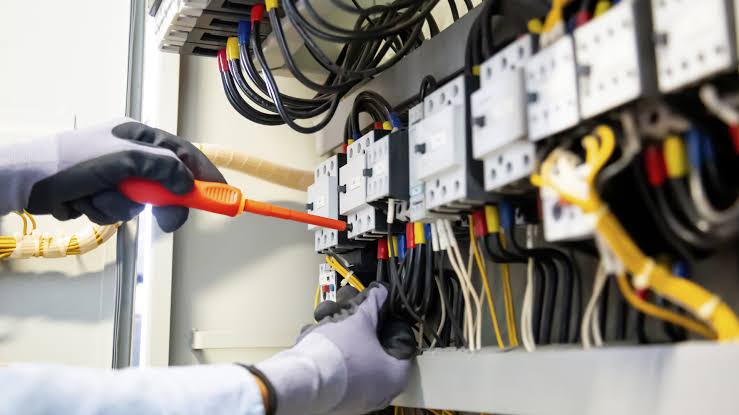
The electrical panel or distribution board is a central part of the electrical system. It distributes incoming power to individual circuits and houses protective devices such as circuit breakers.
A properly organized panel makes it easier to identify circuits and safely isolate power when maintenance is required.Circuit breakers should be selected according to the circuit’s design and electrical load. They provide protection by interrupting the circuit when abnormal current conditions occur.
The panel should also be installed in an accessible location that meets applicable safety requirements.
Circuit Breakers and Electrical Protection
Circuit protection is essential because electrical systems can experience overloads, short circuits, and other faults.
Circuit breakers are designed to interrupt electrical current when certain abnormal conditions occur. Different protective devices may be used for different purposes, including protection against overcurrent or residual current.The correct protection depends on the type of circuit and applicable regulations.
Installing protective devices without properly designing the circuit can create a false sense of safety. Protection should be coordinated with cable sizes, equipment ratings, and expected electrical loads.
Grounding and Earthing
Grounding, also called earthing in many electrical systems, provides an important path for fault current and helps reduce the risk of electric shock.
A properly designed grounding system connects appropriate electrical components to a grounding network so that faults can be detected and protective devices can operate as intended.
Grounding requirements vary according to the electrical system and local standards. Connections should be secure and properly tested.Because grounding is a critical safety function, it should never be treated as an optional feature or improvised during installation.
Installing Electrical Outlets
Electrical outlets provide convenient access to power throughout a building. Their location should be determined according to how each room will be used.
Kitchen counters, offices, workshops, living areas, bedrooms, garages, and outdoor spaces may have different outlet requirements.Outlets should also be installed with appropriate protection where required, particularly in locations exposed to moisture.
The number of outlets should be sufficient to reduce reliance on extension cords and power strips. A well-planned installation provides convenient access to power while keeping electrical connections organized.
Lighting Installation
Lighting is an important part of both functionality and comfort. A properly designed lighting system can provide adequate illumination while supporting the intended use of each space.
Different areas may require different lighting approaches. Task areas may need focused illumination, while general rooms may benefit from broader ambient lighting.
Energy-efficient lighting options can also reduce electricity consumption and maintenance requirements.Switch placement should be practical and coordinated with room entrances, pathways, and the overall layout.
Installing Energy-Efficient Systems
Modern electrical installations increasingly focus on energy efficiency. Efficient lighting, smart controls, occupancy sensors, programmable systems, and energy-monitoring devices can help reduce unnecessary electricity use.
Energy-efficient equipment should still be installed according to appropriate electrical requirements. Reducing energy consumption does not mean compromising safety or circuit capacity.
Property owners may also consider future technologies such as electric vehicle charging, battery storage, solar power, and smart-home systems when planning a new installation.Preparing for these possibilities during initial construction can make future upgrades easier.
Electrical Installation in New Construction
New buildings provide an opportunity to design the electrical system from the beginning. The wiring layout, panel location, outlet placement, lighting, and specialized circuits can all be coordinated with the building’s design.
This stage is also useful for planning future expansion. Additional conduit capacity, appropriately sized service equipment, and accessible distribution points may provide greater flexibility later.
Coordination between electricians, builders, architects, and other trades is essential. Electrical components often need to be installed before walls and ceilings are finished, making accurate planning particularly important.
Electrical Upgrades During Renovations
Renovations may reveal outdated wiring, insufficient outlets, overloaded circuits, or other electrical limitations.
Adding new appliances or converting a room to a different use may increase electrical demand beyond what the existing system was designed to handle.
A professional electrical assessment can determine whether circuits, panels, wiring, or other components need to be upgraded.Renovation projects also provide an opportunity to improve lighting, add outlets, install modern controls, and address existing safety concerns.
Commercial Electrical Installation
Commercial buildings often have more complex electrical requirements than ordinary residential properties. Offices, retail spaces, warehouses, restaurants, and industrial facilities may use large amounts of lighting, equipment, computers, HVAC systems, machinery, and specialized technology.
Commercial electrical systems must be designed around the building’s operational requirements and expected load.Installation may also involve emergency lighting, backup power, security systems, data infrastructure, specialized equipment, and other electrical components.
Because commercial properties often operate continuously, installation schedules should be coordinated carefully to minimize disruption.
Industrial Electrical Systems
Industrial facilities can have particularly demanding electrical environments. Machinery, motors, control systems, production equipment, and other heavy loads may require specialized circuits and protection.
Industrial installations may also need to account for dust, moisture, heat, vibration, chemicals, or other environmental conditions.
Electrical systems in these environments should be designed according to the specific hazards and operating requirements of the facility.Qualified professionals with relevant industrial experience are important when dealing with complex equipment and high electrical loads.
Outdoor Electrical Installation
Outdoor electrical systems require additional consideration because they may be exposed to rain, humidity, sunlight, temperature changes, and physical damage.
Outdoor outlets, lighting fixtures, wiring, and equipment should be specifically suited to their environment and protected appropriately.Landscape lighting, security lighting, exterior outlets, gates, pumps, and other outdoor systems may each require dedicated circuits or protective measures.
Cables should also be installed in a manner that reduces the risk of accidental damage from landscaping, vehicles, construction, or other activities.
Electrical Safety During Installation
Safety should remain the highest priority during electrical work. Electricity can cause severe injury, fire, and property damage when systems are improperly installed or handled.
Professionals use appropriate procedures to isolate power, verify circuits, select suitable tools, and protect work areas.
Electrical work should never be performed casually by someone without the necessary knowledge and qualifications. Turning off a visible switch does not necessarily mean that a circuit is completely de-energized.Qualified electricians use appropriate testing equipment to verify conditions before beginning work.
Testing and Inspection
Testing is a critical stage of any electrical installation. Once wiring and components have been installed, the system should be checked to ensure that circuits, protective devices, grounding, outlets, switches, and other components function as intended.
Testing can identify incorrect connections, insulation problems, grounding issues, polarity concerns, and other faults.Inspections may also be required by applicable authorities depending on the type and scope of the project.
A system should not be considered complete simply because all visible components are installed. Proper testing provides important confirmation that the electrical system is operating safely.
Identifying Signs of Electrical Problems
Even a properly installed electrical system can develop problems over time. Property owners should pay attention to warning signs such as flickering lights, buzzing outlets, burning odors, frequently tripped breakers, warm switches, sparks, or discolored electrical components.
These symptoms should not be ignored. They can indicate loose connections, overloaded circuits, damaged wiring, failing equipment, or other electrical faults.
A qualified electrician should inspect unusual electrical behavior rather than attempting to diagnose or repair potentially hazardous problems without appropriate training.
Maintenance After Installation
Electrical installation is only the beginning of the system’s useful life. Regular inspection and maintenance can help keep electrical components in good working condition.
Panels, outlets, switches, lighting fixtures, wiring pathways, and specialized equipment should be monitored for visible deterioration or unusual operation.
Commercial and industrial properties may benefit from scheduled electrical inspections because they often have complex systems and higher electrical demands.Maintenance requirements depend on the type of installation, equipment, environmental conditions, and applicable standards.
Preparing for Future Electrical Needs
Electrical demand can change as a property develops. New appliances, computers, heating systems, electric vehicles, renewable energy systems, and other technologies may increase power requirements.
A new electrical installation should therefore consider reasonable future needs where practical.
Installing additional outlets, accessible conduits, suitable panel capacity, and appropriately planned circuits can make future upgrades easier.However, future planning should always be based on realistic requirements rather than unnecessary oversizing.
Choosing an Electrical Contractor
Selecting an appropriately qualified electrical contractor is an important decision. Property owners should consider licensing or certification requirements, experience, insurance, safety practices, and familiarity with the type of project.
A reputable contractor should be able to explain the proposed work, identify the required materials, describe the testing process, and provide a clear project scope.
Cost is naturally an important consideration, but the lowest quotation should not automatically be treated as the best option. Electrical work involves safety-critical components, so workmanship and compliance are particularly important.
Benefits of Professional Electrical Installation
Professional installation can provide several important benefits. Properly designed circuits can distribute electrical loads effectively, while appropriate protection can reduce the risk associated with electrical faults.
Professional workmanship can also create a more organized system that is easier to inspect, maintain, and upgrade.
Accurate installation can reduce the likelihood of problems such as loose connections, overheating, nuisance breaker trips, and inadequate power distribution.Most importantly, professional electrical work helps ensure that the system is designed and installed with safety as a central consideration.
Conclusion
A reliable electrical system is essential for modern properties, but creating one requires much more than connecting wires and installing outlets. Proper planning, suitable materials, correctly sized circuits, appropriate protection, grounding, careful installation, and thorough testing all contribute to a safe and dependable system.
Professional electrical installation can help property owners meet their current power requirements while creating an organized foundation for future upgrades. Whether the project involves a new building, commercial facility, renovation, outdoor system, or electrical upgrade, every component should be selected and installed according to the property’s needs and applicable safety requirements.
Regular maintenance and timely professional inspections can further protect the system after installation is complete. By taking a planned and safety-focused approach, property owners can improve electrical reliability, support efficient energy use, reduce potential hazards, and ensure that their buildings have dependable power for everyday needs.