Understanding the Importance of Professional Biohazard Cleanup After Traumatic Events

When a traumatic incident occurs inside a home, business, vehicle, or other property, dealing with the aftermath can be emotionally overwhelming as well as physically challenging. In situations involving blood, bodily fluids, or other potentially hazardous biological materials, ordinary cleaning methods may not be sufficient. The affected area may contain contaminants that are not always visible, and attempting to handle them without appropriate knowledge, equipment, and protective measures can create unnecessary health risks. Professional cleanup services are designed to manage these situations carefully while helping restore the property to a safe and usable condition.
Crime scene cleanup is a specialized service that focuses on cleaning, disinfecting, and, when necessary, restoring areas affected by traumatic incidents. Unlike routine household or commercial cleaning, this type of work involves potential exposure to biohazardous materials and requires appropriate procedures for containment, removal, disinfection, and disposal. Professional technicians are trained to approach these environments systematically and respectfully, allowing property owners and affected families to focus on recovery rather than trying to manage a difficult cleanup themselves.
Understanding What Specialized Cleanup Involves
A traumatic event can leave behind much more than visible stains. Blood and other biological materials can enter porous surfaces, flooring, walls, furniture, fabrics, and other areas. Contaminants may also spread beyond the immediate location through foot traffic, cleaning attempts, or contact with affected objects. Because some contamination may not be immediately visible, professional assessment is an important part of the process.
Specialized technicians typically begin by evaluating the affected area and determining what materials may have been contaminated. They can establish appropriate containment procedures, identify surfaces requiring treatment, and determine whether certain materials can be cleaned or need to be removed. The goal is not simply to make a room look clean but to address contamination using appropriate methods.
The work can involve several stages, including site assessment, containment, removal of contaminated materials, cleaning, disinfection, deodorization, and final inspection. The exact process depends on the nature and extent of the incident and the materials involved. Professional teams use procedures designed to minimize exposure and prevent contamination from spreading to unaffected areas.
Why Professional Assistance Is Important
Cleaning up after a traumatic incident can be extremely difficult for family members, property owners, employees, or other people connected to the affected location. The emotional burden alone may make it difficult to concentrate on the physical work required. Professional assistance provides a practical way to separate the cleanup process from the personal experience of the event.
There are also technical reasons to use trained professionals. Biological materials can present health concerns when handled incorrectly, particularly if someone does not have appropriate protective equipment or understands how to contain and disinfect contaminated areas. Simply wiping visible material away does not necessarily mean that a surface has been properly decontaminated.
Professionals understand how to approach potentially hazardous environments while reducing unnecessary exposure. They also have access to specialized cleaning products, protective equipment, containment materials, and tools that may not be available to an ordinary homeowner. Their training allows them to evaluate the affected area and determine the appropriate cleaning and restoration procedures.
The Difference Between Ordinary Cleaning and Biohazard Cleanup
Routine cleaning generally focuses on dirt, dust, spills, stains, and everyday household or commercial messes. Biohazard cleanup is fundamentally different because it may involve potentially infectious biological materials. The objective is therefore not just visual cleanliness but appropriate removal and decontamination.
For example, a conventional cleaning product may remove the appearance of a stain without adequately addressing contamination that has entered an absorbent surface. Carpeting, upholstery, mattresses, drywall, wood, and other porous materials can present particular challenges because biological substances may penetrate beneath the visible surface.
Professional technicians assess each affected material individually. Depending on the circumstances, some materials may be salvageable through specialized cleaning and disinfection, while others may need to be safely removed. Making this distinction requires training and careful judgment.
Common Situations Requiring Specialized Cleanup
Several types of incidents can result in a need for professional biohazard services. These may include unattended deaths, violent incidents, accidents involving significant blood loss, suicides, and other traumatic events involving biological contamination. The circumstances can vary considerably, and each situation requires an appropriate response.
An unattended death, for instance, may involve biological materials that have remained in an enclosed area for an extended period. The resulting contamination can create unpleasant odors and affect multiple surfaces. A professional team can evaluate the area, determine the extent of contamination, and establish a suitable remediation plan.
Accidents can also produce situations requiring specialized assistance. A serious injury may result in blood or bodily fluids entering flooring, furniture, walls, or other surfaces. Even when the incident itself has been resolved, the physical environment may still require professional attention.
The Cleanup Process
A professional cleanup process generally begins with an assessment. Technicians inspect the affected area and identify visible and potentially hidden contamination. They also consider the materials involved, the size of the affected space, and whether contamination may have spread beyond the immediately visible area.
Containment may then be established to separate the affected area from clean portions of the property. This step can help reduce the possibility of tracking contaminants into other rooms. Technicians may use appropriate barriers and protective procedures based on the circumstances.
The next stage involves the removal of contaminated materials and biological substances. Items that cannot be adequately cleaned may need to be removed and handled according to applicable requirements. Salvageable surfaces are treated using appropriate cleaning and disinfecting procedures.
After cleaning, technicians may address lingering odors. Odors can sometimes remain when biological material has penetrated porous surfaces or when contamination has existed for an extended period. Specialized deodorization techniques may be used where appropriate.
The final stage involves checking the affected area to ensure that the planned cleaning and remediation work has been completed. Depending on the situation, documentation may also be provided regarding the services performed.
Protective Equipment and Safe Work Practices
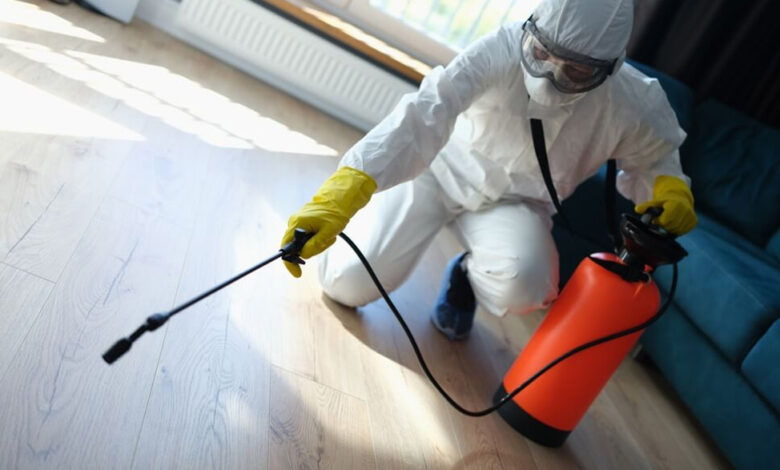
One of the most important differences between professional and ordinary cleanup is the use of appropriate protective measures. Technicians may use gloves, protective clothing, eye protection, respiratory protection, and other equipment depending on the hazards identified during the assessment.
Protective equipment helps reduce direct exposure to potentially hazardous materials. However, equipment alone is not enough. Proper procedures for removing contaminated materials, cleaning tools, handling waste, and leaving the affected area are equally important.
Professionals are also trained to avoid unnecessary cross-contamination. Equipment and materials used in a contaminated environment must be handled carefully so that contaminants are not transferred to clean areas. These practices are particularly important when a property contains other occupants, workers, or visitors.
Handling Contaminated Materials
Some materials can be cleaned and disinfected, while others may not be suitable for restoration. The decision depends on the type of material, the extent of contamination, the amount of penetration, and the ability to safely decontaminate the item.
Porous materials can be especially challenging because biological substances may penetrate beneath the surface. Items such as mattresses, upholstered furniture, carpeting, and certain building materials may require specialized treatment or removal.
Nonporous surfaces are often easier to clean because contaminants generally remain on the surface rather than being absorbed deeply. Nevertheless, they still require appropriate cleaning and disinfection procedures.
Professionals should explain what materials they recommend removing and why. Clear communication can help property owners understand the scope of the work and avoid unnecessary disposal of items that may be safely restored.
The Importance of Proper Disposal
Removing contaminated material is only one part of the process. Potentially hazardous waste must also be handled and disposed of appropriately. Improper disposal can create risks for other people and may violate applicable regulations.
Professional cleanup companies understand the importance of separating contaminated materials from ordinary household or commercial waste. They follow applicable requirements for packaging, transportation, and disposal based on the type of material and the rules governing the work.
Property owners should ask prospective service providers how they handle biohazardous waste. A reputable company should be able to explain its disposal procedures clearly rather than treating waste management as an afterthought.
Emotional Considerations After a Traumatic Event
The physical cleanup is only one part of recovering from a traumatic incident. For family members and property occupants, seeing the affected environment can bring back difficult memories and emotions. Having professionals handle the physical restoration can provide some separation between the traumatic event and the cleanup process.
Technicians working in these environments should approach clients with sensitivity and respect. They are entering spaces that may have significant emotional meaning, particularly when the incident involved a family member or someone close to the property owner.
Professional conduct matters throughout the process. Technicians should communicate clearly, protect the privacy of those involved, and treat personal belongings with care. When questions arise about whether an item can be restored, clients should receive straightforward explanations rather than assumptions or pressure.
Choosing a Qualified Cleanup Company
Selecting a qualified company requires more than searching for the lowest price. Property owners should consider the company’s experience with biohazard situations, training, safety procedures, insurance, availability, and approach to customer communication.
It is useful to ask whether technicians have relevant training for handling biological contamination and whether the company follows established safety practices. Property owners can also ask about documentation, disposal procedures, and the types of situations the company regularly handles.
A written estimate can help clarify the expected scope of work. The estimate should explain what services are included and identify potential additional costs if hidden contamination or structural damage is discovered.
Clear communication is particularly important in sensitive situations. A professional company should answer questions respectfully and explain the process in understandable terms.
Why DIY Cleanup Can Be Risky
People sometimes consider handling traumatic cleanup themselves because they believe the visible contamination can be removed with household cleaning products. While basic cleaning may seem straightforward, biohazard remediation involves risks that are not always obvious.
The absence of visible blood or bodily fluid does not necessarily mean that an area is free of contamination. Biological material can enter porous surfaces, remain beneath flooring, or affect items that are not immediately noticeable. Improper cleaning can also spread contamination to other areas.
Another concern is personal exposure. Without appropriate protective equipment and procedures, an individual may come into direct contact with potentially hazardous materials. For these reasons, professional assistance is generally appropriate when significant biological contamination is present.
Insurance and Documentation Considerations
Depending on the circumstances and the applicable policy, some cleanup expenses may potentially be covered by property or other insurance. Coverage varies considerably, so property owners should review their policy and communicate directly with their insurance provider.
Keeping documentation can be helpful. Professional companies may provide estimates, invoices, descriptions of completed work, photographs where appropriate, and other records. Property owners should retain relevant documents and ask their insurer which information may be required.
Documentation can also help distinguish cleanup expenses from other restoration costs. If structural repairs or replacement of damaged materials are needed after decontamination, those tasks may involve different contractors and separate estimates.
Restoration Beyond the Initial Cleanup
In some situations, cleaning and disinfection may not be the final step. If contaminated materials had to be removed, the property may require additional restoration. This could involve replacing sections of flooring, drywall, insulation, trim, cabinetry, or other building materials.
A professional cleanup company may perform some restoration work or coordinate with other specialists. Property owners should understand where the cleanup company’s responsibility ends and where additional construction or restoration services begin.
The objective is ultimately to return the affected area to a safe and functional condition. Depending on the extent of contamination, this may involve several different stages and professionals.
Preventing Further Complications
Once a traumatic incident has occurred, prompt professional assessment can help prevent contamination from becoming more difficult to address. Delays may allow biological materials to penetrate surfaces more deeply or contribute to persistent odors and additional property damage.
Property owners should avoid disturbing affected areas unnecessarily until the appropriate professionals have assessed the situation. This can help preserve the condition of the area and reduce unnecessary exposure.
If the incident is also subject to an investigation, property owners should follow instructions from the appropriate authorities regarding access to and handling of the affected area. Cleanup should begin only when it is legally and practically appropriate to do so.
Maintaining Privacy and Respect
Privacy is especially important when dealing with traumatic incidents. Details about what occurred may be highly personal, and property owners may understandably want to limit unnecessary discussion or exposure.
A professional cleanup company should treat client information confidentially and avoid sharing details about an incident without appropriate authorization. Technicians should also respect personal belongings and the emotional significance of the property.
This combination of technical expertise and respectful service can make a difficult process easier to manage. The goal is to provide practical assistance without adding unnecessary stress to an already challenging situation.
Final Thoughts on Professional Biohazard Remediation
Traumatic incidents can leave behind physical contamination that requires more than ordinary cleaning. Blood, bodily fluids, odors, and contaminated materials can present health and restoration challenges that should be addressed using appropriate procedures. Professional crime cleaned, what materials may require removal, and what restoration steps may follow. Professional assistance can also provide crime scene cleanup services providing trained personnel, specialized equipment, containment practices, cleaning techniques, and waste-handling procedures designed for these sensitive environments.
The right company can help property owners understand what needs to be cleaned, what materials may require removal, and what restoration steps may follow. Professional assistance can also reduce the physical burden placed on families and property owners during an already difficult period.
When selecting a service provider, it is important to consider training, experience, safety practices, insurance, disposal procedures, communication, and the clarity of the written estimate. The lowest price should not be the only consideration when health, safety, privacy, and property restoration are involved.
Ultimately, specialized cleanup is about more than removing visible contamination. It is about restoring an affected environment carefully, responsibly, and respectfully. By relying on trained professionals and following appropriate safety procedures, property owners can address the physical aftermath of a traumatic event while taking an important step toward making the space safe and usable again.