Electrical Issues at Home: How to Spot Risks, Decide on DIY, and Prepare for Help

Most homes show small electrical quirks from time to time an outlet that feels loose, a breaker that trips on busy evenings, a light that flickers when the fridge kicks on. Some of these are simple annoyances; others signal genuine safety hazards. Knowing the difference can keep your family safe, protect your appliances, and help you plan repairs with less stress. This article walks through how to read the signs, where safe DIY stops, what to expect if your home is older or recently remodeled, and how to prepare for a professional visit so the work goes smoothly.
How to Tell a Small Electrical Issue From a Serious One
Think in terms of patterns and severity. A single tripped breaker after you plugged in a space heater and a hair dryer in the same bathroom is likely an overload. If a specific breaker trips randomly with light use, that could point to a loose connection or a failing device on that circuit. Flickering from one lamp might be a bad bulb, while flickering across multiple rooms, especially when large appliances start, can suggest voltage drop or panel issues that deserve prompt attention.
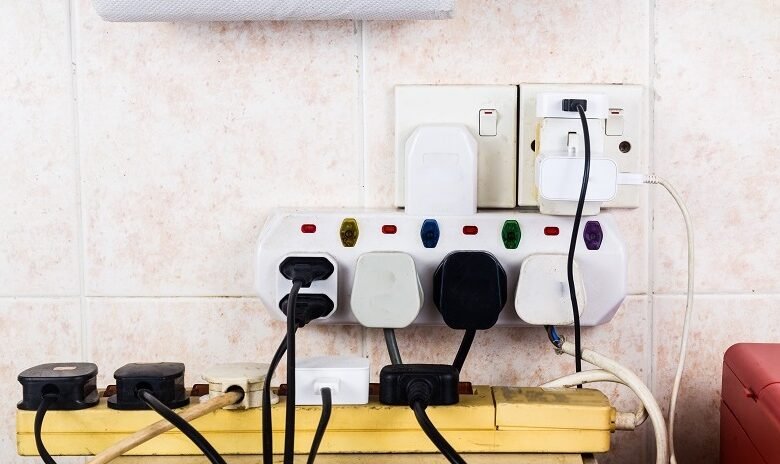
Use your senses. Warm or discolored outlets, buzzing at switches, and a faint burning smell are not normal and should be treated as urgent. Similarly, frequent use of extension cords or power strips to compensate for too few outlets is a red flag for both safety and convenience. Modern homes need enough circuits and properly placed receptacles to handle today’s loads without jury-rigging.
Look for systemic clues. Lights dimming throughout the home when the HVAC turns on, breakers tripping in damp areas like kitchens or bathrooms, or older ungrounded two-prong outlets can indicate outdated or stressed infrastructure. If you notice these patterns, contacting a licensed local pro such as Falcon Electric near Portland can help you determine whether you need targeted repairs, GFCI/AFCI updates, or a broader service upgrade.
When DIY Is Safe and When It’s Not
There are a few tasks a careful homeowner can handle: replacing a light bulb, swapping a simple light fixture where the wiring is modern and clearly labeled, or resetting a tripped breaker after you’ve reduced the load. Always shut off power at the breaker, use a non-contact voltage tester to confirm power is off, and follow the device’s instructions exactly. If anything about the wiring colors or connections seems off from the instructions, stop and call a professional.
Leave panel work, new circuits, subpanels, aluminum-to-copper transitions, and any troubleshooting of heat, buzzing, or burning smells to a licensed electrician. These issues can look straightforward from the outside but often hide defects that require proper tools, code knowledge, and experience to fix safely. DIY beyond your comfort and training risks shock, fire, and insurance problems later.
Common Problems in Older and Renovated Homes
Older homes can be charming, but their wiring may not match modern needs. Common concerns include outdated panels that lack capacity for today’s appliances, circuits without grounding, and cloth-insulated or knob-and-tube wiring that has aged past its safe service life. Even if the lights work, the system might not meet current safety standards for kitchens, bathrooms, and outdoor areas where ground-fault protection is required.
Renovated spaces bring a different set of questions. Was the project properly permitted and inspected? Were dedicated circuits added for microwaves, dishwashers, and laundry? Are countertop outlets GFCI-protected and spaced according to modern layouts? If a previous owner cut corners, you may see nuisance tripping, warm outlets, or lights that flicker when cooking or running the washer. A light safety audit can catch these issues early and suggest fixes that reduce both risk and frustration.
Preparing for an Electrical Service Call
A little preparation makes diagnosis faster and more accurate. Before your appointment, create a simple list: which breakers trip, which rooms are affected, when the issue typically happens, and what appliances are running at the time. Note any visible symptoms like discoloration at outlets or buzzing from switches. If possible, take clear photos of the panel label, the affected devices, and any unusual wiring you’ve noticed. This context helps the electrician bring the right materials and form a plan.
Make sure the workspace is clear. Move furniture away from outlets and fixtures that need inspection. If the panel is in a garage or storage area, clear a safe path with good lighting. Be ready to discuss recent changes, such as new HVAC equipment, EV chargers, hot tubs, or workshop tools large loads can change how your electrical system behaves. Finally, write down any future projects you’re considering; a brief conversation now can help you plan circuits that support upcoming needs without duplicate work later.
Simple Habits That Improve Electrical Safety Year-Round
Small, steady habits go a long way. Test GFCI outlets monthly with the built-in button; they should trip and reset easily. Replace any missing outlet or switch plate to keep wiring covered, and cap unused junction boxes. Avoid daisy-chaining power strips and retire damaged cords promptly. Vacuum dust from refrigerator coils and the area near the electrical panel to keep heat down and access clear.
Label the panel carefully; use plain language like “Kitchen outlets” or “Bedroom lights south wall” instead of unlabeled numbers. This saves time during outages, helps everyone in the household respond safely, and speeds up professional work. If you notice recurring minor issues, don’t wait for a major failure; early fixes are usually simpler, safer, and less disruptive than emergency repairs.
Planning Ahead for Modern Electrical Demands
Homes are drawing more power in more places than ever think induction ranges, heat pumps, home offices, EV charging, and backyard living areas. Planning for capacity means thinking beyond today’s device list. If you’re renovating, discuss panel space, available amperage, and reserved circuits for future additions. Conduit, subpanels, or strategically placed junction boxes can make future upgrades cleaner and less expensive.
Consider protection as much as capacity. Arc-fault circuit interrupters (AFCIs) reduce the risk of fires from damaged cords or loose connections, while surge protection helps safeguard electronics from voltage spikes. In many cases, code requires these protections; even where it doesn’t, the added safety and equipment longevity make them worth a serious look.
What to Do Next If Something Seems Off
If you’re seeing signs of trouble frequent tripping, widespread flickering, warm outlets, buzzing switches, or mysterious burning smells treat the situation as more than an inconvenience. Turn off the affected circuit if you can identify it safely, unplug sensitive electronics, and give a licensed electrician a clear description of what you observed. If heat, smoke, or fire is present, leave the home and contact emergency services first.
Electrical systems feel invisible until they fail, but small cues add up. By recognizing risk signs, keeping DIY within safe bounds, and preparing well for a service visit, you’ll protect your home and make smart, timely improvements that support how you live now and how you plan to live in the years ahead.