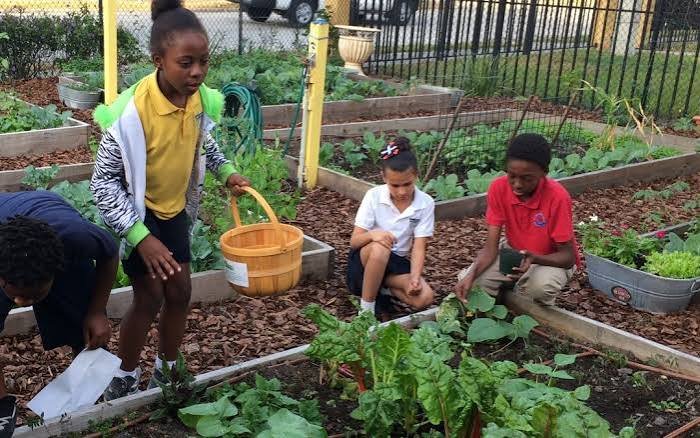

Gardening with children often seems like a summer-only pursuit. However, you can keep young minds engaged with nature throughout the entire year by choosing activities that match the changing weather. From cold January afternoons to hot July mornings, every season offers a unique chance to teach children where food comes from.
Build a Windowsill Mini Greenhouse
Winter weather keeps everyone indoors, but it’s the perfect time to plan for the upcoming spring. You can build a small tabletop greenhouse together using a basic wooden frame and some simple building materials. This small structure sits directly on a bright windowsill and gives young plants the warmth they need to sprout weeks before the outdoor soil warms up.
When you construct the greenhouse covers, you can use lightweight polycarbonate multiwall sheets because they are safe for children to handle and offer excellent insulation. Unlike glass, these plastic panels will not shatter if a stray toy hits them. Children can help tape the edges and watch the moisture condense inside as their first seeds begin to germinate.
Starting seeds early gives children a sense of responsibility during the dark winter months. They will need to check the soil moisture daily and use a small spray bottle to keep the compost damp. This simple daily routine builds anticipation for the outdoor planting phase.
Launch a Giant Sunflower Competition
Spring brings warmer weather and the chance to finally move out into the fresh air. One of the easiest ways to excite children is by planting giant sunflower seeds directly into the ground or into large pots. Sunflowers grow quickly, which helps maintain a child’s interest because they can see visible progress every week.
Give each child their own patch of soil or a designated pot to look after. You can use a bamboo cane to measure the growth and mark their heights with a marker pen as the weeks go by. This turns a simple gardening task into a fun family competition.
During this season, you can also teach them about the insects that visit the garden. Sunflowers attract plenty of bees and butterflies, which provides an easy opportunity to talk about pollination.
Harvest a Quick Homegrown Salad
Summer is the reward phase where early hard work turns into edible food. Children love picking things they can eat straight from the plant, and salad leaves or radishes are perfect for this. These crops grow rapidly and are ready to pull up just a few weeks after sowing.
Set up a clean harvesting station with a bucket of water and some child-friendly scissors. Let them cut mixed salad leaves, pluck ripe cherry tomatoes, and wash the dirt off the radishes themselves. They are much more likely to try green vegetables if they helped grow them from scratch.
Pack the Soil Away for Winter Sleep
As the weather cools down, the garden needs preparation for the colder months ahead. Children often enjoy the messy work of clearing out old plants and spreading mulch. This autumn phase teaches them that gardens need rest and care even when nothing is actively growing.
You can turn leaf clearing into an outdoor game by collecting fallen leaves to make leaf mould. Provide small garden rakes and let them pile the leaves into large compost bags with holes punched in the sides. This helps clear the lawn while creating a fantastic soil conditioner for the following year.
There are several other simple tasks they can handle before the ground freezes. Children can pull up dead tomato plants to pile onto the main compost heap. They can also scatter wildflower seeds that require winter frost to trigger spring growth, or plant flower bulbs like daffodils and tulips that will surprise them next spring.
Grow a Lifetime of Green Thumbs
Gardening provides children with practical lessons about patience, nature, and the environment. By breaking the year down into seasonal tasks, you ensure that the garden remains a constant source of learning instead of a fleeting summer hobby. Each project builds skills that stay with them as they grow older.
The simple act of watching a seed sprout on a winter windowsill or pulling a radish from summer soil creates lasting memories. Grab some tools, involve the kids, and watch their confidence grow alongside the plants.