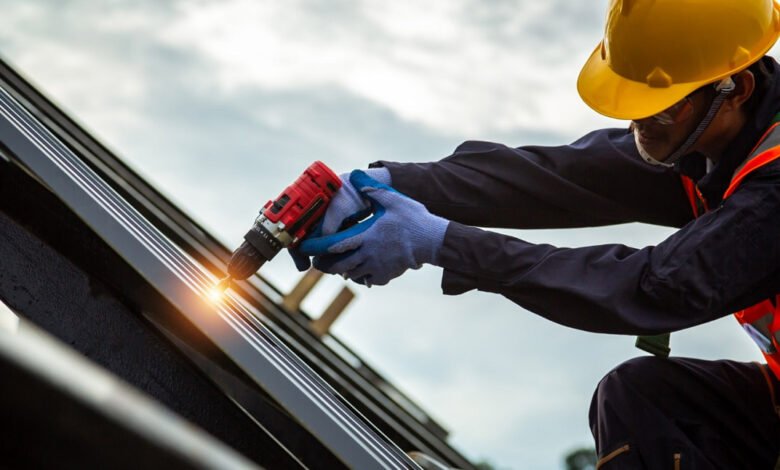

A roof is constantly exposed to weather, making it one of the hardest-working parts of any property. Rain, wind, sunlight, temperature changes, falling branches, and accumulated debris can gradually affect roofing materials and create areas of weakness. A small defect may initially seem unimportant, but even minor roof damage can allow moisture to reach underlayment, decking, insulation, or interior surfaces. Prompt attention can prevent a localized problem from becoming a much larger roofing concern. Professional roof repair provides a practical way to address damage while preserving as much of the existing roofing system as possible, particularly when the overall roof remains in suitable condition.
Understanding the Importance of Timely Roof Repairs
Roof damage does not always result in an immediate visible leak. Water can enter through a damaged shingle, deteriorated flashing, loose roofing material, or an improperly sealed penetration and travel along the roof assembly before appearing inside the property. By the time a ceiling stain becomes noticeable, moisture may already have affected materials beneath the roof covering. This is why homeowners should take visible roofing problems seriously, even when the interior appears unaffected.Timely repairs can help limit the area affected by water and reduce the possibility of additional deterioration. Addressing problems early may also help extend the useful life of the existing roofing system when a complete replacement is not yet necessary. A professional inspection can identify the source of the problem and determine whether a localized repair is appropriate or whether the damage indicates a larger failure.
Common Causes of Roof Damage
Roofing systems can deteriorate for many different reasons. Strong winds may lift or remove shingles, while heavy rain can expose weaknesses in flashing and seals. Hail and falling branches can create cracks, punctures, dents, or other forms of impact damage. Prolonged sunlight can gradually weaken certain materials, while repeated temperature changes can contribute to expansion and contraction.Moisture is another major concern. Leaking gutters, damaged flashing, blocked drainage areas, and poor roof ventilation can all contribute to conditions that shorten the life of roofing materials. Debris left on the roof can also retain moisture and interfere with normal drainage. Understanding the cause of damage is important because repairing only the visible symptom may not prevent the problem from returning.
Signs That a Roof May Need Repair
Homeowners should periodically inspect their roof for visible warning signs. Missing, cracked, curling, or lifted shingles can indicate that sections of the roof are no longer providing proper protection. Granules accumulating in gutters may also suggest that shingles are aging or deteriorating.Inside the property, water stains on ceilings and walls can indicate a roof-related moisture problem, although plumbing and other sources should also be considered. Damp insulation, musty odors, peeling paint, or visible moisture in attic spaces can provide additional clues.Other exterior signs include damaged flashing around vents and chimneys, sagging areas, exposed underlayment, loose trim, and water pooling in areas where drainage should occur. When these symptoms appear, professional evaluation can help determine the correct repair approach.
Why Finding the Source of a Leak Matters
One of the most important parts of a roofing repair is identifying the actual source of water intrusion. The location where water appears inside a property may not be directly below the damaged area on the roof. Water can travel along decking, rafters, insulation, and other surfaces before becoming visible.A professional roofing contractor evaluates the roof’s slope, penetrations, flashing, valleys, shingles, drainage areas, and other potential entry points. This broader inspection helps prevent situations where an interior stain is treated without addressing the roof defect responsible for it.Finding the source also helps determine whether the problem is isolated or part of a larger roofing issue. If several areas show signs of moisture intrusion, additional investigation may be necessary before repairs begin.
Repairing Damaged Shingles
Shingles can become damaged due to wind, impact, age, moisture, or improper installation. Depending on the condition of the surrounding roofing system, individual shingles or limited sections may be replaceable without disturbing the entire roof.Proper shingle repair requires matching the replacement material as closely as practical and installing it according to the roofing system’s requirements. The surrounding shingles should also be inspected because nearby deterioration can indicate that the problem extends beyond one damaged piece.If a roof has widespread curling, cracking, granule loss, or brittle materials, replacing individual shingles may only provide a temporary solution. In those cases, a professional should evaluate whether the roofing system has reached a point where replacement would provide better long-term value.
Repairing Roof Flashing
Flashing is installed around many areas where the roof meets another surface or penetrates the structure. Common locations include chimneys, skylights, vents, walls, valleys, and roof edges. Because these areas involve transitions, they can become vulnerable to water intrusion when flashing is damaged, displaced, corroded, or improperly sealed.Repairing flashing may involve replacing damaged sections, improving attachment, resealing appropriate joints, or correcting installation problems. The exact solution depends on the type of flashing and the source of the problem.
Simply applying sealant over damaged flashing is not always a durable solution. If the underlying material is deteriorated or incorrectly positioned, proper repair may require removing and replacing the affected component.
Addressing Roof Leaks Early
A roof leak should never be ignored simply because it appears small. Repeated moisture exposure can affect roofing materials and the components beneath them. Wood decking and framing may deteriorate when exposed to persistent moisture, while insulation can lose effectiveness when it becomes wet.Interior finishes can also be damaged by ongoing leaks. Ceiling materials may stain, soften, or deteriorate, and moisture can create conditions that encourage unwanted biological growth. The longer water remains uncontrolled, the greater the potential scope of the repair.Prompt professional evaluation helps determine whether the leak can be contained through a localized repair or whether more extensive work is required. Early intervention is often the most practical way to protect the surrounding structure.
Roof Valleys and Drainage Areas
Roof valleys are areas where two roof slopes meet, creating a natural pathway for water runoff. Because a significant amount of water may travel through these areas, damaged materials or improper flashing can result in serious leaks.Debris can also accumulate in valleys and restrict normal water movement. Leaves, branches, and other material should be removed carefully, and the valley should be inspected for damaged roofing components.Repairs in these areas require attention to the entire water-flow path. The objective is not simply to cover a damaged section but to ensure that water can move safely toward the roof’s drainage system.
Repairing Roof Edge Damage
The roof edge connects several important exterior components, including roofing materials, fascia, soffits, and gutters. Damage in this area can affect more than the roof covering itself. Loose or deteriorated fascia can interfere with gutter support, while water exposure can contribute to soffit deterioration.During a repair project, the surrounding roof edge should be inspected for signs of moisture damage or structural weakness. If related components are compromised, addressing them at the same time can create a more reliable solution.A properly maintained roof edge also supports better water management because gutters depend on secure attachment and appropriate positioning. Coordinating roofing and drainage repairs can help prevent recurring problems.
The Role of Roof Ventilation
Roof ventilation plays an important role in managing heat and moisture within the attic. An appropriately designed ventilation system can allow air to enter through intake vents and exit through exhaust vents, helping maintain a healthier roof environment.
Poor ventilation can contribute to excessive heat and moisture accumulation, which may affect roofing materials and structural components. Condensation can also create moisture-related problems that may be mistaken for roof leaks.When repairing an aging roof, it is useful to evaluate the ventilation system as part of the overall inspection. Correcting ventilation problems may help protect both the repaired roof and the underlying structure.
Repairing Damage After Severe Weather
Severe weather can cause sudden roofing problems that require prompt attention. Strong winds may lift or remove shingles, while hail can create impact damage. Heavy rain can expose weak points around flashing, valleys, vents, and other transitions.After a major storm, some damage may be visible from the ground, but other problems may remain hidden. A professional inspection can identify loose materials, punctures, displaced flashing, and other issues before they develop into leaks.Temporary measures may sometimes be appropriate to reduce immediate exposure while permanent repairs are arranged. However, temporary solutions should not be treated as substitutes for proper restoration when the roof has sustained significant damage.
Repair or Complete Roof Replacement?
Not every damaged roof needs to be replaced. Repair is often appropriate when the damage is localized and the surrounding roofing system remains in good condition. A relatively newer roof with one damaged area may benefit from a targeted repair that restores the affected section without requiring a complete replacement.Replacement may become more practical when damage is widespread, the roof is near the end of its expected service life, or repairs are repeatedly required in different areas. If roofing materials are extensively deteriorated, individual repairs may not provide a durable long-term solution.A professional assessment can help homeowners compare these options based on the roof’s age, material condition, damage extent, previous repairs, and expected future performance.
Why Professional Roof Repair Matters
Roof repairs require more than identifying a damaged shingle and covering it. The repair needs to integrate with the existing roofing system so that water can continue moving properly across the roof. Incorrectly installed materials can create new vulnerabilities rather than solving the original problem.Professional roofers understand how different roofing components interact and can evaluate the surrounding area for additional damage. They also have the appropriate equipment and safety practices for working at roof height.For homeowners dealing with leaks, damaged shingles, flashing problems, or storm-related deterioration, professional roof repair can provide a targeted solution while helping preserve the remaining roofing system.
Protecting Gutters and Drainage Components
Gutters play an important role in moving roof runoff away from the structure. When they become clogged, damaged, or improperly aligned, water may overflow against the roof edge and exterior walls. This can contribute to deterioration of fascia, soffits, siding, and other materials.During roof repair, the gutter system should be considered when water-management problems are present. Gutters should be checked for proper alignment and secure attachment, while downspouts should remain clear.If the source of a roofing problem is related to poor drainage, repairing the roof without addressing the gutter issue may allow moisture damage to return. A complete evaluation helps ensure that the repair addresses contributing factors as well as visible damage.
Maintaining a Repaired Roof
Regular maintenance can help extend the life of a repaired roof. Homeowners should inspect the roof periodically for missing or damaged shingles, deteriorated flashing, unusual stains, debris accumulation, and other changes.Gutters should remain clear so rainwater can drain efficiently. Tree branches that contact the roof should be trimmed when appropriate, and debris should not be allowed to remain on the roofing surface for long periods.After severe weather, another inspection may be worthwhile even if no obvious damage is visible. Early identification of loose materials or damaged flashing can reduce the likelihood of a future leak.
Planning a Successful Roofing Repair
Before beginning repairs, homeowners should understand what caused the damage and what work is necessary to correct it. A professional contractor can inspect the roof, identify affected areas, explain the recommended solution, and determine whether additional components require attention.It is important to distinguish between repairing the symptom and correcting the source. For example, a ceiling stain may require interior restoration, but the roof leak that caused the stain must also be addressed. Similarly, replacing a damaged shingle may not solve a problem caused by deteriorated flashing or poor drainage.A complete approach can provide greater confidence that the repair will remain effective rather than requiring repeated attention.
Long-Term Benefits of Timely Roof Repairs
Timely repairs can help protect the existing roofing system and reduce the likelihood of more extensive damage. Addressing a small defect before water reaches the roof deck or interior can make the project more manageable.Repairs can also help extend the practical service life of a roof when the majority of the system remains in good condition. Instead of replacing an entire roof because of one isolated issue, homeowners may be able to restore the damaged section and continue maintaining the existing system.The long-term value of repair depends on the overall condition of the roof. Professional inspection remains important because the most cost-effective solution is not always the one with the smallest immediate price.
Conclusion
Roof damage can develop for many reasons, including severe weather, aging materials, moisture exposure, poor drainage, deteriorated flashing, and physical impact. Although some problems may appear minor, ignoring them can allow water to reach underlying materials and create more extensive damage. Early inspection and professional attention can help identify the cause of a problem and determine whether a targeted repair is appropriate.
Professional roof repair can restore damaged roofing materials, improve water management, protect vulnerable roof components, and extend the useful life of an existing system when conditions allow. The most effective repairs address both visible damage and the underlying cause, whether that involves flashing, drainage, ventilation, shingles, or another component.With regular inspections, proper maintenance, and timely attention to warning signs, property owners can protect their roofing investment and reduce the likelihood of unexpected problems. When damage does occur, choosing professional repair services can provide a dependable solution while helping preserve the strength, performance, and appearance of the existing roof.