The Value Buyers Notice First: How Exterior Improvements Shape a Home’s Market Appeal

The condition of the roof, siding, windows, and landscaping influences how buyers perceive a property’s quality and maintenance history. An attractive exterior can create confidence, while visible deterioration may raise questions about hidden problems.
For homeowners planning to sell or simply protect their investment, understanding how exterior improvements influence real estate value can lead to smarter renovation decisions. The most worthwhile projects often combine visual appeal, structural protection, and long-term functionality.
Protect Property Value by Maintaining the Roof
A home’s roof is one of its most important structural components. It protects the interior from weather damage while influencing how buyers evaluate the property’s overall condition.
Missing shingles, deteriorating flashing, and visible sagging can create concerns about future repair expenses. Even minor roofing problems may discourage buyers who anticipate expensive maintenance after purchasing.
Regular inspections help identify developing issues before they cause extensive damage.
Homeowners considering repairs or replacement can consult experienced roofing contractors such as Liberty Roofing, which provides residential roofing, storm damage restoration, and exterior improvement services. Professional assessments can help determine whether targeted repairs are sufficient or whether broader improvements deserve consideration.
Replacing a roof does not automatically increase a home’s selling price by the full project cost. However, a properly maintained roofing system can reduce buyer uncertainty and support a more favorable property presentation.
Documented maintenance and completed repairs may also help during inspections and negotiations.
Improve Curb Appeal Without Overcomplicating the Design
First impressions influence how buyers experience a property.
A well-maintained entrance, clean exterior surfaces, and attractive landscaping can make a home appear welcoming before visitors examine its interior.
However, improving curb appeal does not necessarily require expensive architectural changes.
Start with basic maintenance, including cleaning walkways, trimming overgrown vegetation, and repairing damaged exterior features.
A freshly painted front door can create a noticeable improvement when its color complements the surrounding materials.
Exterior lighting also deserves attention. Functional fixtures can improve visibility while highlighting architectural details.
Avoid selecting decorative elements that overwhelm the property’s original character.
Simple, cohesive improvements often create a stronger impression than combining several unrelated design trends.
The objective is to present a home that feels cared for, visually balanced, and ready for everyday living.
Choose Siding Improvements That Balance Appearance and Durability
Siding contributes significantly to a home’s architectural identity, but its purpose extends beyond appearance.
Exterior cladding helps protect the building from moisture, wind, and environmental exposure.
Cracked panels, peeling finishes, and visible deterioration can suggest deferred maintenance.
Before replacing siding, evaluate whether cleaning, localized repairs, or refinishing could restore its condition.
When replacement is necessary, compare materials according to durability, maintenance requirements, climate suitability, and installation costs.
Vinyl, fiber cement, engineered wood, and other options offer different advantages.
Color selection also influences market appeal.
Neutral exterior combinations may attract a broad range of buyers, although neighborhood architecture and regional preferences should guide the final decision.
Proper installation matters as much as material selection because moisture management and flashing details affect long-term performance.
Durable siding can improve visual consistency while helping protect the structure underneath.
Consider How Windows Influence Buyer Expectations
Windows affect several features that buyers notice immediately, including natural light, indoor comfort, and exterior appearance.
Drafty frames, condensation between glass panes, and difficult operation may suggest that replacement expenses are approaching.
Modern windows can offer improved thermal performance, particularly when existing units are damaged or inefficient.
However, replacement decisions should reflect the home’s actual condition rather than assumptions about energy savings.
Evaluate insulation performance, air leakage, frame durability, and installation quality.
Window placement and design also influence how rooms feel.
Larger glass areas may improve daylight and outdoor views, but excessive solar exposure can create uncomfortable temperatures.
Choose styles that complement the property’s architecture and provide practical ventilation.
Buyers often appreciate improvements that make everyday living more comfortable without creating additional maintenance responsibilities.
Prevent Water Damage Through Better Drainage
Water management rarely receives the same attention as visible renovations, yet it plays an important role in protecting property value.
Poor drainage can damage foundations, exterior walls, landscaping, and interior finishes.
Overflowing gutters or downspouts that discharge water near the foundation may create problems over time.
Inspect gutters regularly and remove debris that interferes with proper drainage.
Check whether downspouts direct water away from vulnerable areas.
The surrounding landscape should also encourage water to move away from the building rather than collect against exterior walls.
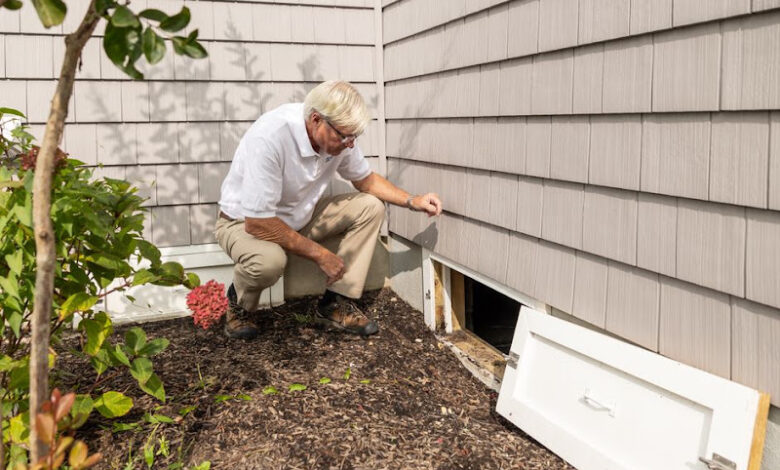
Persistent pooling, basement moisture, or foundation cracks deserve professional evaluation.
Addressing drainage concerns early may prevent repairs that are considerably more expensive than routine maintenance.
A dry, well-maintained property also gives prospective buyers greater confidence in its overall condition.
Make Outdoor Spaces Feel Like Usable Living Areas
Outdoor spaces can influence buyer interest when they provide practical opportunities for relaxation, entertaining, or family activities.
A neglected backyard may appear difficult to maintain, while a thoughtfully arranged outdoor area can feel like an extension of the home.
Focus on usability rather than adding features simply because they are fashionable.
A clean patio, comfortable seating area, or shaded gathering space may improve how visitors imagine using the property.
Walkways should be safe and clearly defined.
Landscaping choices should reflect local growing conditions and realistic maintenance requirements.
For smaller properties, careful furniture placement and simple planting arrangements can create a more spacious impression.
Avoid elaborate installations that demand substantial upkeep unless they suit the property’s likely buyers.
The most appealing outdoor improvements balance appearance, comfort, and everyday practicality.
Understand Why Maintenance Records Matter During a Sale
Homebuyers often want reassurance that major systems have received appropriate care.
Even when a property looks attractive, uncertainty about its maintenance history can complicate negotiations.
Organized records help demonstrate which repairs and improvements have been completed.
Keep invoices, inspection reports, warranties, permits, and relevant contractor documentation together.
Roofing repairs, window installations, exterior renovations, and drainage improvements are particularly useful to document.
These records may help buyers understand the age and condition of important building components.
They can also make it easier to answer questions raised during a home inspection.
Documentation does not guarantee a higher selling price, but it can reduce confusion and support transparent communication.
Maintaining accurate records throughout homeownership is generally easier than trying to reconstruct years of repairs immediately before listing.
Prioritize Improvements Based on Local Market Expectations
Not every renovation delivers the same financial benefit.
A project that appeals to buyers in one neighborhood may offer limited advantages elsewhere.
Before committing to major improvements, examine comparable properties and consider what buyers typically expect at your home’s price point.
A real estate professional can help identify features that influence local demand.
Focus first on correcting safety concerns, structural problems, and visible deterioration.
After essential repairs, evaluate improvements that enhance appearance or everyday functionality.
Consider the relationship between project costs, likely buyer preferences, and your expected ownership timeline.
Avoid assuming that expensive upgrades automatically produce equally large increases in resale value.
Home value depends on numerous factors, including location, market conditions, property size, and overall condition.
The strongest improvement strategy combines responsible maintenance with thoughtful presentation. By protecting essential building systems and choosing upgrades that suit the property, homeowners can preserve long-term value while making their homes more appealing to future buyers.