What You Should Actually Know About Vaginal Rejuvenation Before You Consider It

Introduction
If you live in Puerto Rico or you’re looking into women’s wellness options there, vaginal rejuvenation can feel like one of those topics people mention quietly but rarely explain well. The reality is more practical than mysterious. In clinics across the island, interest has grown around treatments for dryness, laxity, discomfort, and changes after childbirth or menopause. Before you decide anything, you need clear information on what the treatment involves, who it may help, and what questions matter most.
What vaginal rejuvenation usually means in real life
Vaginal rejuvenation is not one single procedure. It’s an umbrella term used for treatments that target tissue laxity, vaginal dryness, mild urinary leakage, irritation, and changes in sensation. Some options are energy-based, such as laser or radiofrequency treatments, while others are surgical. Each one works differently, and the expected outcome depends on the issue you’re trying to address.
A lot of women first look into it after childbirth, during perimenopause, or after menopause when estrogen changes affect the vaginal mucosa. You might also hear terms like collagen remodeling, tissue tightening, or vulvovaginal atrophy. Those are not marketing buzzwords when used correctly; they describe actual biological changes in the tissue. The important part is knowing whether your symptoms are structural, hormonal, dermatological, or pelvic-floor related before choosing any intervention.
The symptoms that lead people to ask about treatment
People rarely pursue treatment because of one issue alone. More often, symptoms stack up slowly. You may notice dryness during sex, reduced lubrication, a feeling of looseness, mild stress incontinence when you laugh or exercise, or irritation that doesn’t fully make sense at first. Some women describe a drop in confidence that starts affecting intimacy before they even connect it to a physical change.
These symptoms can come from several causes, including menopause, postpartum recovery, weight fluctuations, pelvic floor trauma, and certain medications. Even chronic infections or skin conditions can mimic the same discomfort. That’s why a symptom checklist online won’t give you a reliable answer. A proper exam matters because treatment aimed at “tightening” won’t fix low estrogen tissue, and a lubricating gel won’t correct mechanical support issues. Precision matters more than hype in this category.
How non-surgical options are being used now
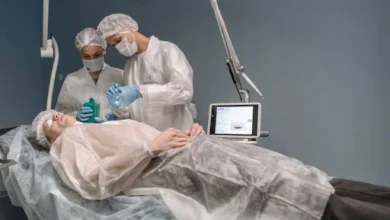
The biggest shift in this space has been the growth of non-surgical treatments. Clinics increasingly offer laser and radiofrequency technologies designed to stimulate collagen production and improve tissue quality. These treatments are often marketed as quick, low-downtime options. For some patients, that appeal is real. Sessions are typically short, and many resume normal activity quickly, depending on the device used and the provider’s protocol.
Still, convenience should not replace clinical judgment. The best candidates tend to have mild to moderate symptoms, not severe prolapse or major anatomical damage. If you are evaluating Rejuvenecimiento Vaginal Puerto Rico, it makes sense to ask what technology is being used, how many sessions are usually recommended, whether the treatment addresses dryness, laxity, or urinary symptoms, and what maintenance may look like over time. Those details shape both results and cost.
What the consultation should cover before any procedure
A solid consultation should feel like a medical assessment, not a beauty sales pitch. You should expect a full symptom review, health history, medication check, pregnancy and postpartum history, and a discussion about sexual health goals if you’re comfortable having it. A provider may also ask about recurrent UTIs, pelvic pain, hormone status, and previous gynecologic procedures.
The physical exam is not optional if the goal is accurate treatment planning. It helps rule out pelvic organ prolapse, active infection, skin disorders, untreated atrophy, and other conditions that require different care. Ask direct questions: What condition are you treating? What evidence supports the recommendation? What outcomes are realistic in your specific case? If a clinic can’t define the problem medically and only repeats generic terms about confidence and wellness, that’s a signal to slow down and get another opinion.
What results can feel like, and what they usually don’t do
Results are often described in broad language, which can confuse expectations. Some women report improved moisture, less friction during sex, better tissue tone, and reduced minor urinary leakage. Others notice subtler changes, especially when the issue has multiple causes. You should not assume any treatment will radically transform sensation, fix relationship problems, or produce permanent results after one session.
A realistic provider will talk about symptom improvement instead of promising perfection. The body continues to age, hormone levels keep shifting, and connective tissue doesn’t stop changing because you had a procedure. If your concerns involve pelvic floor weakness, you may need physical therapy alongside treatment. If hormonal changes are driving the discomfort, local estrogen or other medical options may still be part of the plan. The strongest outcomes usually come from matching the intervention to the underlying mechanism.
Safety, regulation, and the questions smart patients ask
This field attracts aggressive marketing, so skepticism is healthy. In the United States, including Puerto Rico, energy-based vaginal treatments have drawn regulatory attention around claims that overstated benefits or downplayed risks. That doesn’t mean all treatments are unsafe. It means you should separate evidence-based care from oversold promises.
Possible side effects can include temporary irritation, discharge, swelling, spotting, or discomfort. Rare complications depend on the method used and the operator’s experience. Ask about contraindications, post-treatment restrictions, expected recovery, and who handles complications if they occur. You should also ask whether the provider has training specific to the device or procedure, not just general cosmetic experience. A careful clinic will be willing to discuss limitations, not only success stories. Any treatment involving intimate tissue deserves the same standard you’d expect from any other medical decision.
How to decide whether it’s worth it for you
The best decision usually comes from clarity, not urgency. Start by defining what is actually bothering you: pain, dryness, looseness, leakage, cosmetic concern, or a mix of several things. Then ask what measurable improvement would make the treatment feel worthwhile. If your symptom is occasional dryness, a procedural option may be excessive. If your daily comfort and sexual function have changed significantly, a more structured treatment plan may make sense.
Cost also matters. Many of these treatments are elective and not covered by insurance, especially if they’re presented as aesthetic or wellness services. You need a full breakdown that includes consultations, follow-up visits, repeat sessions, and aftercare. The right choice should fit your health needs, budget, and comfort level with downtime and maintenance. Good care won’t pressure you into deciding fast. It will help you understand your options well enough to make a decision that feels informed and steady.