
Roofs rarely fail without warning. A curling shingle here, a water stain there, a slightly higher energy bill each month — these are the quiet signals homeowners often brush aside until the damage becomes impossible to ignore. West Texas Exteriors has spent years working on rooftops across the region, and one thing has become abundantly clear: the homeowners who pay attention early save the most money, stress, and structural headaches down the road.
This post takes a closer look at why your roof deserves more attention than it typically gets, what warning signs matter most, and how a well-executed installation can change the way your entire home performs. Whether you’re dealing with storm damage, an aging roof nearing the end of its lifespan, or simply want peace of mind heading into another Texas summer, understanding your options is the first step toward protecting your biggest investment.
Why Roofs Fail Faster in West Texas
The climate here doesn’t do anyone any favors. Roofs in this region endure a punishing combination of intense UV exposure, sudden hailstorms, high winds, and dramatic temperature swings between day and night. This constant expansion and contraction wears down roofing materials faster than in milder climates, causing granule loss, cracked flashing, and weakened seals years before a manufacturer’s warranty would suggest.
Add in the occasional West Texas dust storm and the abrasive effect it has on shingles, and it’s easy to see why roofs here need more frequent inspection than those in cooler, calmer regions. A roof that looks fine from the ground can be hiding real trouble up close.
The Hidden Cost of Waiting Too Long
Delaying a needed repair or replacement rarely saves money. Small leaks compound into rotted decking. Missing shingles invite pests and moisture into the attic. Poor ventilation traps heat that drives up cooling costs throughout the summer months. What starts as a $300 fix can snowball into a $15,000 structural repair if left unaddressed.
Homeowners often underestimate how quickly minor issues escalate, especially when damage occurs in hard-to-see areas like valleys, chimneys, or vent boots. Regular inspections — ideally twice a year — catch these issues while they’re still manageable and inexpensive to resolve.
Signs You Might Need More Than a Patch Job
Not every roofing issue calls for a full replacement, but certain signs point toward a bigger problem brewing beneath the surface:
- Shingles that are curling, cracking, or missing granules in multiple areas rather than just one isolated spot
- Daylight visible through the attic roof boards, which signals gaps in the roof deck
- Sagging rooflines, indicating possible structural damage to the decking or trusses
- Frequent leaks after storms, even in areas that have been “repaired” before
- A roof older than 20 years, which is typically the outer limit for asphalt shingle lifespans in this climate
If two or more of these apply to your home, it’s worth having a professional assess whether a repair will actually hold or if it’s simply delaying the inevitable.
What Separates a Quality Roofing Job From a Quick Fix
Not all roofing work is created equal, and the difference often isn’t visible until years later. A rushed job might look fine for a season or two, but poor flashing work, inadequate ventilation, or mismatched materials tend to surface as problems right when you can least afford them.
A properly done roof accounts for far more than shingles. It includes:
- Proper decking inspection and repair to ensure the foundation beneath the shingles is solid
- Correct underlayment installation to provide a secondary water barrier
- Attic ventilation assessment to prevent heat and moisture buildup that shortens roof lifespan
- Flashing details around chimneys, skylights, and vents, which is where most leaks originate
- Manufacturer-certified installation techniques that keep warranties valid and materials performing as designed
This level of thoroughness is what separates a roof that lasts 25-plus years from one that starts causing problems within five.
How the Right Materials Make a Long-Term Difference
Material choice plays a bigger role in roof performance than most homeowners realize. Standard three-tab shingles are budget-friendly upfront but tend to wear faster under intense sun exposure. Architectural shingles, on the other hand, offer improved wind resistance and a longer lifespan, making them a smarter long-term investment for homes exposed to West Texas weather patterns.
For homeowners looking for even greater durability, metal roofing and impact-resistant shingle options can significantly reduce the risk of hail damage, which is a common concern throughout the region. These materials often come with insurance premium discounts as an added incentive, since insurers recognize their resilience against severe weather.
Getting Started With a Team That Knows the Region
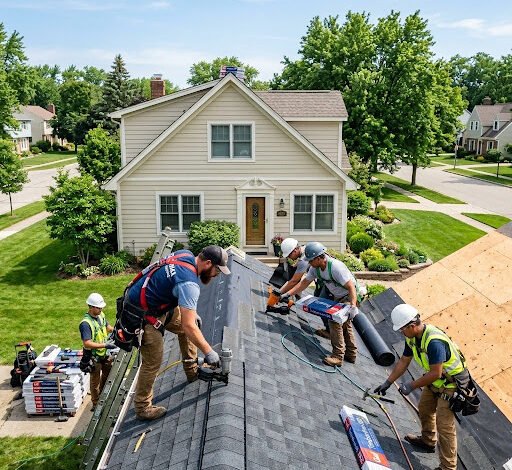
A comprehensive Roofing Installation designed to withstand West Texas conditions can transform how confidently you approach every storm season that follows. West Texas Exteriors specializes in evaluating existing roof conditions, identifying the right materials for each home’s specific exposure, and executing installations that meet — and often exceed — manufacturer standards. The team’s familiarity with local weather patterns means recommendations are grounded in what actually performs well here, not generic advice pulled from a national playbook.
Every project begins with a thorough inspection, a transparent conversation about findings, and a clear breakdown of options at different price points. There’s no pressure to over-buy or under-prepare — just an honest assessment of what your roof needs to protect your home for decades to come.
Protecting What Matters Most
A roof is easy to take for granted until it starts failing, and by then, the cost of neglect is already adding up. Paying attention to early warning signs, understanding what quality workmanship actually looks like, and choosing materials suited to your climate can save thousands of dollars and years of frustration.
If your roof has been on your mind lately, that instinct is worth listening to. Reach out to West Texas Exteriors for an inspection, and get a clear, honest picture of where your home stands.