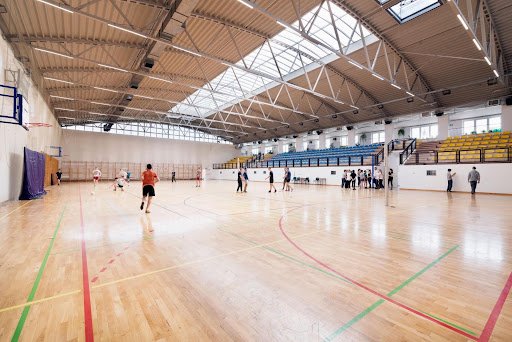

Building a high-quality court requires careful planning and the right materials. Players need a surface that offers strong grip and smooth movement. Facility leaders must balance performance, safety, and long-term value.
Choosing the right wood surface protects your investment and keeps athletes safe. Every detail matters when setting up a sports space. You can build a room that serves your community for decades.
Select the Right Type of Wood
Maple wood stands out as the top choice for athletic courts. It features a tight grain structure that prevents dirt from trapping inside. That tight structure makes the wood smooth and tough.
Other woods like oak or beech offer different looks and traits. Oak has a wider grain pattern that can split under heavy impact. Maple stays smooth and resists heavy wear from shoes and gear.
Hard maple provides great natural shock absorption for fast sports. It handles jumping and running without showing deep dents right away. That makes it ideal for basketball and volleyball courts.
Hardwood floors bring natural warmth and bright light into your building. Clean timber lines make any gym look fresh and inviting. Players perform better on a clean, bright playing surface.
Understand Your Facility Needs
Every sports venue serves a unique mix of games and events. High school gyms host daily gym classes along with community night games. Multi-use centers need floors that handle non-athletic events.
Planning a court project involves searching for the right materials early in the process. Facility managers often choose to see gymnasium wood flooring options before deciding on a specific layout for their basketball court.
Taking time to review available styles helps you pick the right fit. That decision sets the foundation for player safety and top game quality.
Think about how many hours of use your court receives each day. A court that sees non-stop action needs a thicker wood grade. Choosing a thicker surface allows for more sanding cycles later.
Look at Substructure and Cushioning
The visible wood top layer is only part of the complete floor system. Beneath the surface lies a support layer that absorbs heavy impact. A good substructure protects joints when players jump and land.
Subfloors use rubber pads or flexible wooden sleepers to create bounce. This padding reduces stress on ankles, knees, and lower backs. Without proper backing, players feel increased strain on their joints.
Floating subfloors move slightly under impact to spread out force. Fixed subfloors stay locked to concrete for stiff support. You must choose a subfloor style that fits your primary sport.
- Solid maple wood planks
- Cushioned subfloor support systems
- High traction surface finish
- Dampness-resistant barrier seals
- Protective top coating layers
Plan for Daily Foot Traffic
Heavy foot traffic puts constant pressure on top wood layers. Athletic shoes, street shoes, and other heavy gear all rub against the finish. A high-traffic court needs maximum surface strength to prevent this kind of scratching.
Different activities exert different amounts of force on the court surface. Rolling heavy bleachers across a floor can leave marks if the surface is soft. Setting up staging equipment requires careful surface protection.
Selecting a surface designed for heavy traffic keeps your court looking clean. You reduce the need for frequent repairs by picking tough materials. Proper planning prevents early surface breakdown.
Check Humidity and Climate Controls
Wood naturally expands and contracts when humidity levels change. Excess humidity makes floor boards warp and push upward. Very dry air causes small gaps to open between wood strips.
Your building must maintain stable indoor temperatures all year long. HVAC systems help keep humidity levels within a safe range. Stabilizing indoor air protects wood from swelling or cracking.
Before laying wood planks, installers check the concrete subfloor for moisture. Damp concrete ruins wood from underneath. Adding a dampness barrier beneath the floor keeps water away from your wood.
Evaluate Maintenance and Cleaning Needs
Keeping a court clean protects the surface finish and prevents slips. Dust and grit work like sandpaper when shoes drag across the wood. Regular cleaning routines keep the court safe for fast activity.
- Daily dust mop sweeping
- Quick spill cleanup steps
- Monthly deep clean routines
- Yearly protective coat applications
- Periodic surface sanding work
Avoid using too much water when mopping athletic wood surfaces. Standing liquid seeps between boards and causes dark stain marks. Use approved wood floor cleaners that leave zero slick film behind.
Compare Finish Options and Line Markings
The top finish layer creates the grip players rely on during games. A coat that is too slick leads to slips and falls. A coat that is too sticky stops feet too fast and causes injury.
Water-based finishes dry quickly and feature low chemical odor. Oil-modified sealers take longer to dry but offer a warm color tone. Both finish styles shield the wood underneath from sweat and dirt.
Game lines need high-contrast paint that stands out clearly during play. Painting lines before applying the final clear coat seals the markings. Sealed lines stay bright under heavy foot traffic.
Different sports require distinct line colors on multi-use courts. Bright primary colors make court boundaries easy to see during fast play. Clear line boundaries reduce calls and keep games running smoothly.
Think About Long-Term Performance
A well-built wood court lasts for decades with proper care. Sanding the wood down to bare board refreshes the surface completely. Most thick maple floors handle multiple full sanding procedures over their lifespan.
Investing in top-grade wood pays off through lower repair demands. Cheap materials wear down quickly and require early full replacement. High-quality maple stands up to intense daily sports action.
Consider total value rather than just initial setup effort. Quality materials save stress and keep your facility open for games. Long-lasting courts build a strong reputation for your sports venue.
Upgrading your athletic floor raises the value of your entire property. Modern court surfaces attract leagues, tournaments, and local athletic clubs. High-quality facilities become popular hubs for sports events.
Next Steps for Your Sports Facility
Selecting the perfect hardwood floor transforms your sports facility into a top venue. Focusing on wood type, substructure, and climate control protects your athletes and your investment. Taking time to plan every detail yields a durable court that serves your community.
Looking for more tips and ideas? We’ve got you covered. Check out some of our other posts now.